Diet
Overall Approach
You are what you eat. You can’t out exercise a bad diet. Etc. Lots of advice, but what should you actually do?
The goal here is not for short term weight management, but rather for a sustainable, enjoyable approach for the next 50+ years. Thus no absolute restrictions or expensive ingredients. Instead, a set of principles.
Mediterranean diet
This is a lower carb, higher protein approach, cycled over two weeks.
It is NOT a ketogenic diet. Keto is too hard to get right, and too risky if you don’t (eg your lipid profile will go haywire).
Key Principles
- Don’t count our measure calories
- Reduce carbs – generally avoid ‘anything white’. ie pick recipes without pasta, rice, bread, grains, potatoes
- Additional protein intake via supplementation. It is hard to get to 2.2mg of protein per kg of body weight. Have two protein shakes per day. See Protein page.
- Eat some servings of fermented foods to boost gut biome (yoghurt, Kefir, Sauerkraut and kimchi)
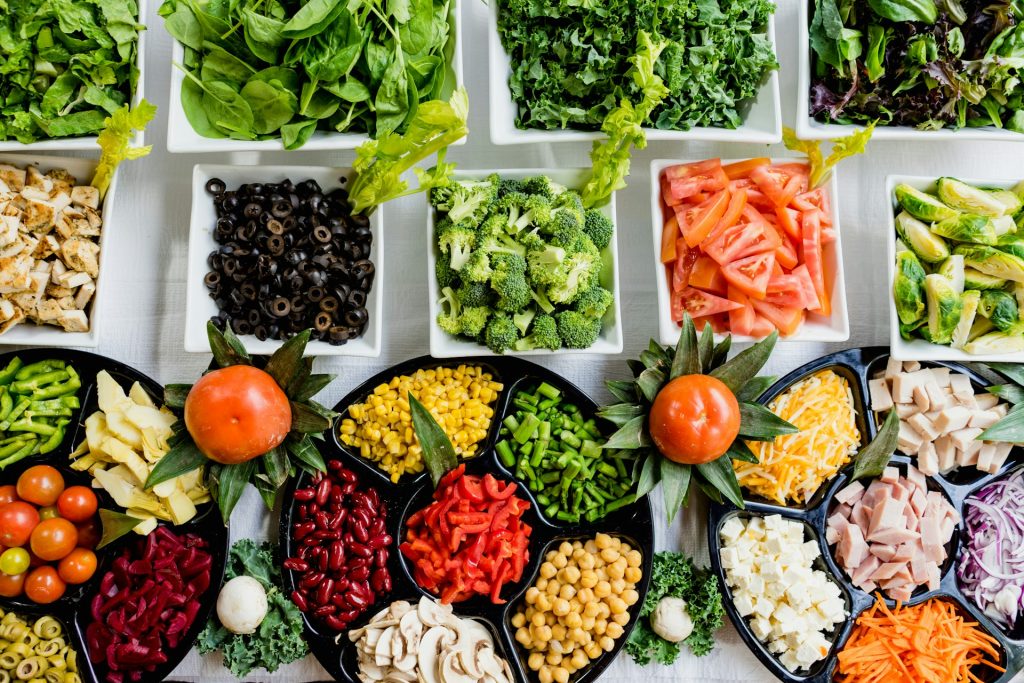
- Lots of Vegetables (esp cruciferous such as broccoli and cauliflower), beans, lentils. Avocados. And more beans and legumes.
- Fruit, but no more than 2-3 serves per day (too much sugar)
- Oily fish, esp salmon
- Some purely vegetarian meals
- Healthy snacks – tree nuts, fruit
- Hydration – 2.5+l of water
- Break all the rules once or twice over a two week period. Eat anything. Eat too much.
- The only strongly suggested exception is drinking sugar drinks. Whether this is a can of soft drink or fruit juice, just don’t. Empty calories, lots of additives
- Consider fasting one day per fortnight
- Consider Intermittent fasting, where you consume all your calories in a 6 (ideal) to 8 hour window each day (a relatively straightforward way to manage your weight and total calories)
- Have your last meal a few hours before bedtime
- Eat until you are 80% full then stop
- No snacking after dinner
- Minimal alcohol