Adrian Vanzyl on the Deepening Housing Crisis Across Major U.S. Cities

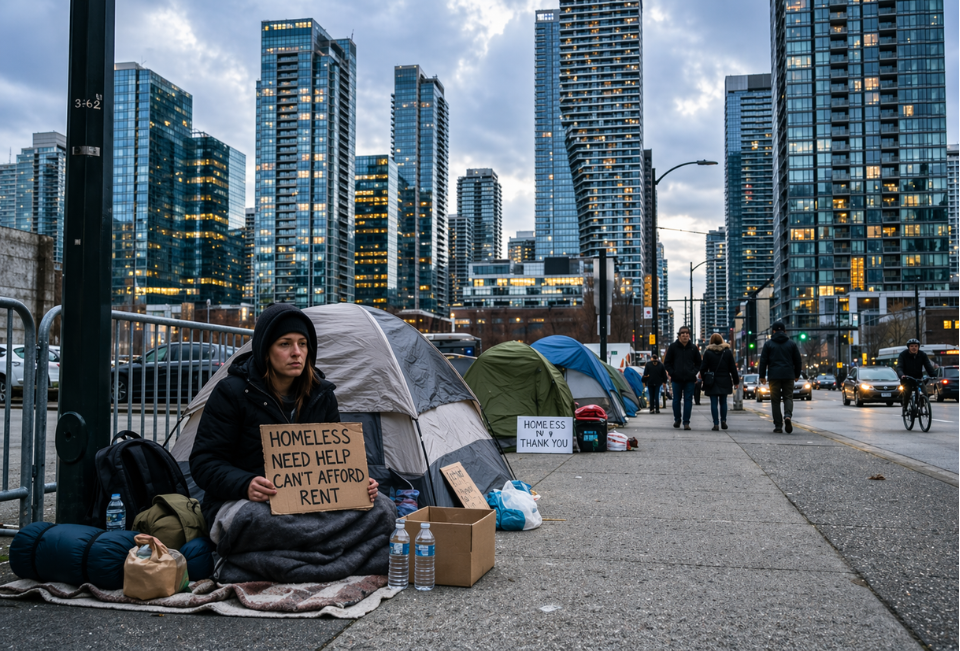
The housing affordability crisis across major U.S. cities has intensified in 2026, driven by a persistent shortage of homes, rising rents, and widening income inequality, leaving millions of Americans struggling to secure stable housing.
Recent data shows that the United States is facing a structural shortage of housing at multiple levels. A 2026 report from the National Low Income Housing Coalition estimates a deficit of 7.2 million affordable rental homes for extremely low-income households, with only 35 available units for every 100 renters in need.
Severe Affordability Pressure on Renters
Housing costs have outpaced income growth in nearly every major metropolitan area.
According to national housing reports:
- The average “housing wage” required to afford a modest two-bedroom rental is $33.63 per hour, far above the federal minimum wage.
- Nearly half of all U.S. renters face cost burdens, spending more than 30% of their income on housing.
- In recent years, a record 22.6 million renter households faced cost burdens, highlighting the scale of the crisis.
In cities such as Chicago, rents have continued to climb, with median prices rising to around $1,670 per month in early 2026, reflecting broader nationwide trends.
Meanwhile, in New York City, rents for family-sized apartments surged dramatically in some neighborhoods-by as much as 40% to 70% within months-underscoring extreme demand and limited supply.
Supply Shortage Driving the Crisis
At the core of the issue is a long-term imbalance between housing supply and demand.
Estimates suggest the U.S. housing market is short by over 4 million homes, and it could take years of accelerated construction to close the gap.
Experts also note that:
- The country needs 3–4 million additional homes beyond current construction levels to restore affordability.
- Home prices have risen nearly 55% since the pandemic, while rents have increased by more than 30% nationwide.
Zoning restrictions, rising construction costs, and limited land availability in urban areas continue to constrain new development, particularly in high-demand cities.
Rising Homelessness and Housing Instability
The affordability crisis is closely tied to rising homelessness across U.S. cities.
Housing experts emphasize that when rents outpace incomes, they push more households into unstable living conditions or homelessness.
Recent data highlights:
- Homelessness is now considered a nationwide humanitarian issue affecting every state.
- In cities like San Jose, thousands of individuals rely on temporary shelter systems, yet only about 30% transition into permanent housing, pointing to systemic gaps.
At the same time, policy debates continue around solutions such as housing vouchers, rent control, and new construction incentives, with mixed results so far.
Barriers to Homeownership
The crisis is not limited to renters. Homeownership is becoming increasingly unattainable for many Americans.
Surveys indicate that while a majority of renters would prefer to own homes, only about 33.9% believe they will achieve homeownership, down sharply from previous years.
Rising interest rates, high property prices, and limited inventory have pushed the median age of first-time homebuyers to record highs, further delaying their entry into the housing market.
Adrian Vanzyl’s Perspective
Business strategist Adrian Vanzyl views the housing crisis as a systemic economic issue with long-term implications.
“This is not just a housing problem-it’s a structural imbalance between supply, income growth, and urban demand,” said Vanzyl.
He notes that the crisis is reshaping labor markets and economic mobility:
“When housing becomes unaffordable, it affects where people can work, how businesses hire, and how cities grow. The ripple effects extend far beyond real estate.”
Conclusion
As housing costs rise and supply fails to keep pace, the crisis across U.S. cities shows little sign of easing. Millions of Americans face affordability challenges, and policymakers continue to search for scalable solutions, keeping the housing market one of the most pressing economic issues of 2026.