Adrian Vanzyl on the Global Fuel Crisis Amid Rising Geopolitical Tensions

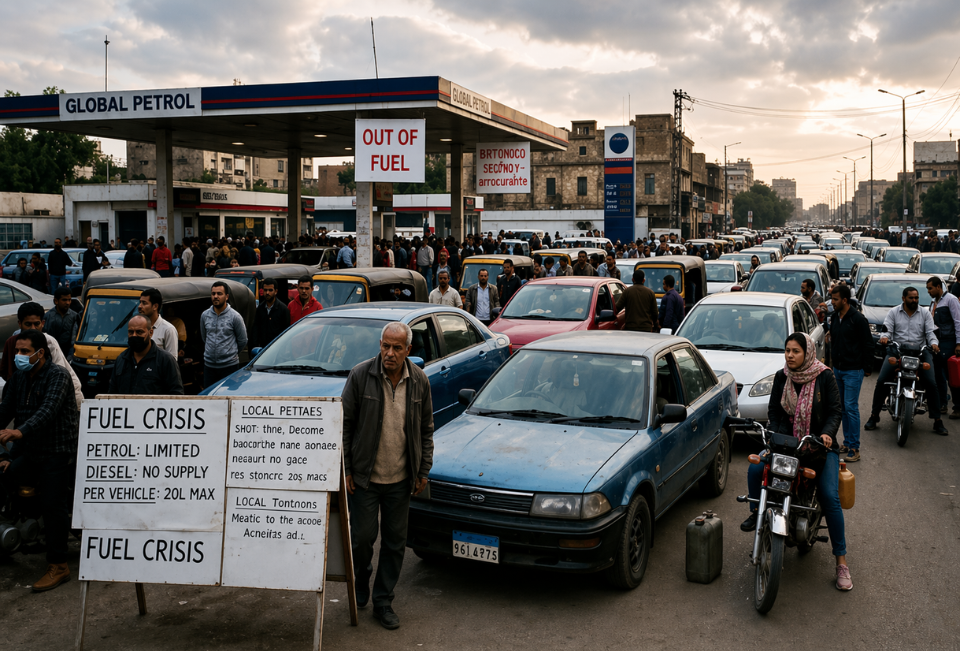
A rapidly escalating fuel crisis, driven by geopolitical tensions in the Middle East, is sending shockwaves through global energy markets and raising concerns about inflation, supply shortages, and long-term economic instability.
At the center of the crisis is the disruption of the Strait of Hormuz, one of the world’s most critical energy corridors. The waterway typically handles nearly 20% of global oil supply and a significant share of liquefied natural gas (LNG), making it a vital artery for international trade.
Recent military escalation and naval blockades in the region have severely restricted shipping through the strait, with some estimates suggesting that flows have dropped by over 90% during peak disruption periods.
Oil Prices Surge as Supply Tightens
The immediate impact has been a sharp spike in oil prices. Global benchmarks such as Brent crude have surged above $100 per barrel, while physical oil markets have seen prices climb as high as $150 per barrel amid intense competition for available supply.
The International Energy Agency has described the current disruption as one of the largest energy supply shocks in modern history, surpassing even major crises such as the 1973 oil embargo and the 2022 Ukraine conflict.
In parallel, global oil supply has dropped significantly, with projections indicating a decline of around 8 million barrels per day during peak disruption periods.
Ripple Effects Across the Global Economy
The fuel crisis is not limited to energy markets-it is spreading across the global economy.
- Fertilizer prices have risen 30-40%, threatening agricultural output and food security.
- Gasoline prices in some markets have increased by more than 17% since the start of the conflict.
- Analysts warn that as many as 32 million people could be pushed into poverty due to rising costs and economic disruption.
Shipping disruptions and attacks on energy infrastructure have further strained global supply chains, creating shortages and increasing transportation costs worldwide.
For major import-dependent economies such as India, Japan, and parts of Europe, the crisis presents a dual challenge: rising prices and limited availability of fuel.
Inflation, Markets, and Growth Risks
Economists warn that sustained high energy prices could significantly impact global growth. Modeling suggests that a prolonged disruption in oil supply could reduce global GDP growth by nearly 2.9 percentage points in a single quarter, depending on the duration of the crisis.
Financial markets have already reacted, with stock indices showing volatility and energy-dependent industries-such as aviation and logistics-facing increased pressure.
At the same time, central banks may be forced to adjust monetary policy in response to rising inflation, further complicating the economic outlook.
Adrian Vanzyl’s Perspective
Business strategist Adrian Vanzyl believes the current fuel crisis reflects deeper structural vulnerabilities in global systems.
“Vanzyl emphasized that this isn’t just an energy issue-it’s a systems issue, explaining that disrupting a single chokepoint like the Strait of Hormuz exposes how interconnected and fragile global supply chains really are.”
He notes that the crisis is accelerating a shift in how businesses and governments think about resilience.
“We’re likely to see a long-term move toward diversification-alternative energy, new trade routes, and more localized supply chains-to reduce dependence on high-risk regions.”
Outlook
While efforts to stabilize the region continue, uncertainty remains high. Even if shipping routes reopen, analysts warn that restoring supply chains and rebuilding damaged infrastructure could take months.
For now, the global fuel crisis stands as a stark reminder of how geopolitical tensions can quickly translate into economic disruption-affecting industries, governments, and consumers worldwide.