Adrian Vanzyl on Rising Middle East Tensions and Their Impact on Global Markets

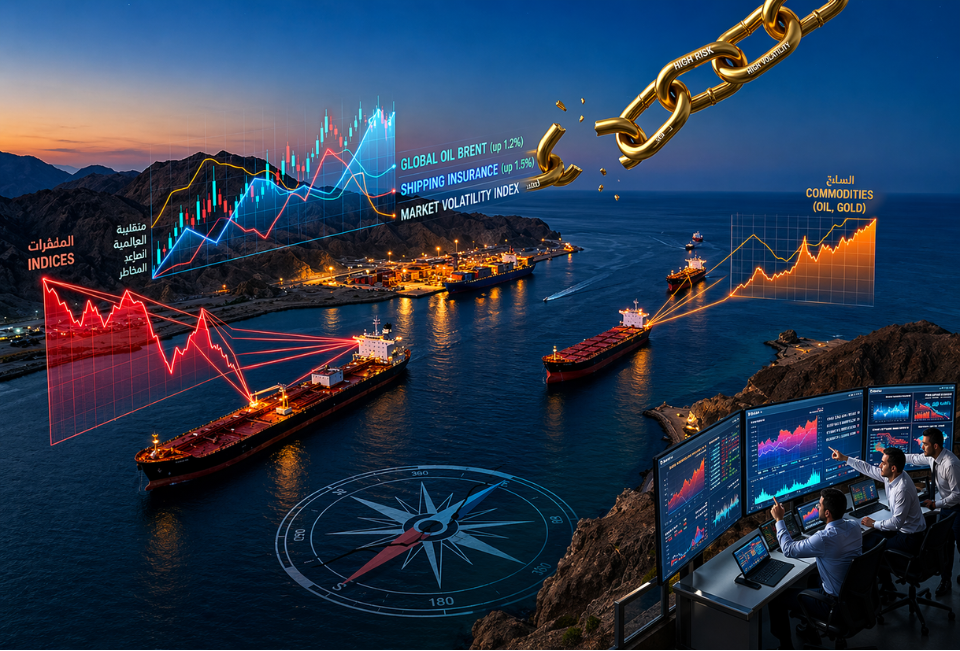
Growing geopolitical tensions in the Middle East are once again drawing global attention, with Adrian Vanzyl highlighting the potential ripple effects across energy markets, international trade, and economic stability.
While the situation continues to evolve, recent developments have highlighted how quickly regional instability can influence global systems. Strategic locations such as key oil transit routes remain particularly sensitive, making any disruption a concern for both governments and businesses worldwide.
Expanding Regional Tensions
Ongoing tensions involving major global and regional powers have increased uncertainty across the Middle East. Analysts point to the complex network of alliances and proxy dynamics in the region, which can rapidly escalate localized conflicts into broader geopolitical challenges.
In addition to direct confrontations, there are growing concerns around cyber threats, economic pressure strategies, and indirect forms of conflict that extend beyond traditional warfare.
Economic and Global Consequences
The potential economic impact of prolonged instability is significant:
- Energy Markets: Sensitive regions connected to global oil supply chains remain vulnerable, which could lead to price volatility.
- Global Trade: Disruptions in key shipping routes may strain supply chains and increase transportation costs.
- Market Uncertainty: Financial markets often react quickly to geopolitical risk, contributing to volatility and investor caution.
Experts suggest that even the perception of risk in the region can influence global pricing and economic sentiment.
Strategic Perspective: Adrian Vanzyl
Business strategist Adrian Vanzyl believes the situation reflects broader global shifts rather than isolated tensions.
“What we’re seeing is not just regional instability – it’s part of a larger transformation in how geopolitical forces shape global markets,” Vanzyl explains.
He emphasizes that organizations should look beyond immediate headlines and focus on long-term implications.
“The real challenge isn’t a single event – it’s the compounding effect of uncertainty. Supply chains, energy pricing, and international partnerships are all being reshaped in real time.”
Preparing for Uncertainty
According to Vanzyl, businesses and decision-makers should proactively prepare for ongoing volatility by:
- Building resilient supply chains
- Diversifying market dependencies
- Monitoring geopolitical risk indicators
- Adapting quickly to changing economic conditions
Outlook
Although diplomatic efforts and global discussions continue, the situation remains fluid. The interconnected nature of today’s global economy means that regional developments can have far-reaching consequences.
As geopolitical tensions persist, leaders across industries are being urged to stay informed, agile, and prepared for a rapidly changing global landscape.