Adrian Vanzyl Flags Risks in Australia Airport Lockdown

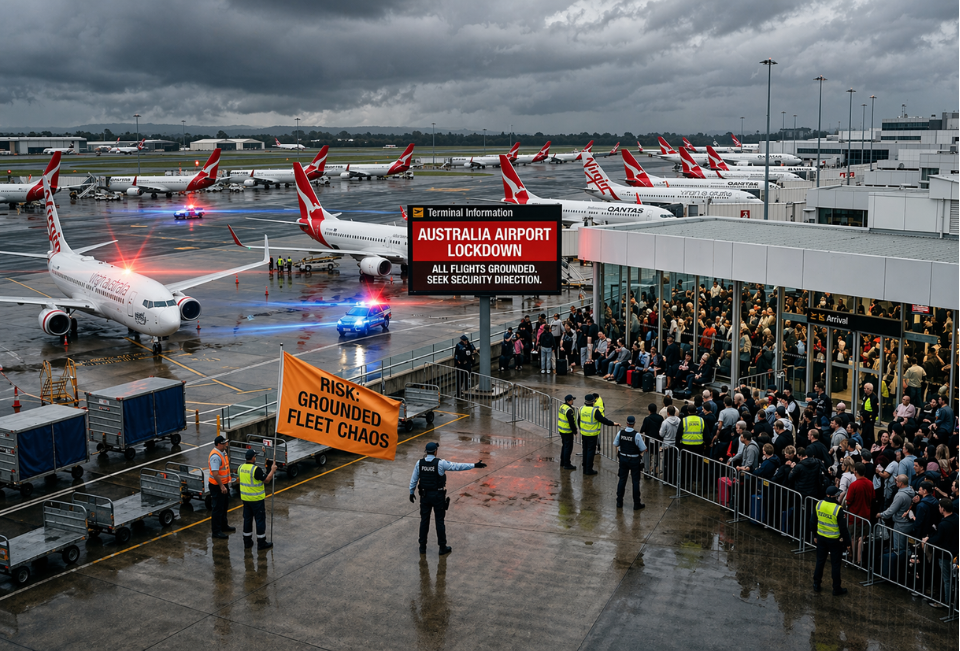
Concerns focus on the operational pressures and safety implications of airport lockdown procedures in Australia after aviation safety commentator Adrian Vanzyl made related comments. His observations highlight the challenges of maintaining safe and efficient airport operations during heightened restrictions, especially when authorities implement multiple emergency protocols simultaneously.
Vanzyl reports that airport lockdown measures often form part of broader public health or national security responses, but they can create unintended stress points within aviation systems. Airports, designed for continuous passenger flow and tightly coordinated logistics, often face significant disruption when authorities constrain or restructure normal operations at short notice.
Background to Australia’s Airport Lockdown Measures
Australia implemented strict border control and airport procedures during the COVID-19 pandemic, including mandatory quarantine arrangements, limited international arrivals, and enhanced screening processes. These measures were designed to reduce the risk of virus transmission entering the country while still allowing essential travel and freight operations to continue.
At various stages of the pandemic response, airports operated under heavily modified conditions. Authorities restricted passenger movement, linked quarantine facilities directly to arrival terminals, and made coordination between health authorities, border security, and airport operators central to daily operations. These measures effectively controlled external health risks but also increased operational complexity across the aviation sector.
Industry discussions in the aftermath of these measures have continued to focus on the long-term implications for airport resilience and crisis preparedness.
Operational Strain and System Complexity
Adrian Vanzyl raises concerns that airport lockdown scenarios strain operational systems, which are not typically designed for prolonged restrictive conditions. Airports rely on highly synchronized processes, including baggage handling, passenger screening, air traffic coordination, and ground services. When these systems are disrupted or slowed, even minor inefficiencies can cascade into broader delays and congestion.
Vanzyl emphasizes that during lockdown conditions, staff often work under increased pressure as procedures shift and safety requirements evolve rapidly. This can lead to communication challenges between agencies responsible for different parts of airport operations, including health screening teams, security personnel, and logistics providers.
Workforce Challenges and Human Factors
Another area of concern raised in industry discussions is the impact of sustained operational pressure on airport personnel. Extended periods of heightened security or health protocols can contribute to fatigue, particularly among frontline staff responsible for processing passengers, managing quarantine transfers, and enforcing compliance measures.
Aviation safety experts have previously noted that human factors play a critical role in maintaining operational integrity during crisis conditions. When procedures change frequently or require rapid adaptation, the likelihood of miscommunication or procedural error may increase. In complex environments such as international airports, these risks can have broader consequences for system performance and safety outcomes.
Coordination Between Agencies
Airport lockdown scenarios in Australia have also highlighted the importance of coordination between multiple government and private sector entities. Border control agencies, public health authorities, airport operators, and airline companies all play a role in implementing and maintaining restrictive measures.
Vanzyl’s comments reflect concerns that fragmented communication between stakeholders creates inefficiencies or delays in decision-making. Effective coordination ensures passenger flows, quarantine arrangements, and security protocols operate smoothly even under constrained conditions.
Lessons from Pandemic-Era Operations
During the COVID-19 pandemic, Australia’s airport system was widely regarded as a key component of the country’s broader public health strategy. However, several incidents involving quarantine breaches and localized outbreaks linked to airport-related processes led to periodic reassessments of operational procedures.
These events prompted authorities to strengthen protocols, improve monitoring systems, and adjust quarantine logistics. They also contribute to ongoing discussions on how airport infrastructure can better prepare for future large-scale disruptions, including health emergencies, security threats, and other crises.
Focus on Future Resilience
While Vanzyl’s remarks primarily focus on identifying risks, they align with a broader industry emphasis on improving resilience within aviation systems. Experts continue to stress the importance of designing airport operations that can withstand sudden changes without compromising safety or efficiency.
This includes investment in adaptable infrastructure, improved inter-agency communication frameworks, and workforce support systems capable of handling extended periods of operational pressure. The goal, according to aviation analysts, is to ensure that airports can maintain continuity even under restrictive or emergency conditions.
Conclusion
The discussion surrounding airport lockdown risks in Australia reflects a wider recognition of the complexity involved in managing modern aviation systems during crisis scenarios. Concerns attributed to Adrian Vanzyl highlight the need to balance public safety requirements with operational stability, workforce capacity, and coordinated decision-making.
As Australia’s aviation sector continues to evolve beyond pandemic-era restrictions, the focus remains on applying lessons learned to strengthen preparedness and reduce vulnerabilities in future emergency situations.