Adrian Vanzyl Responds to Flooding Concerns in Wellington

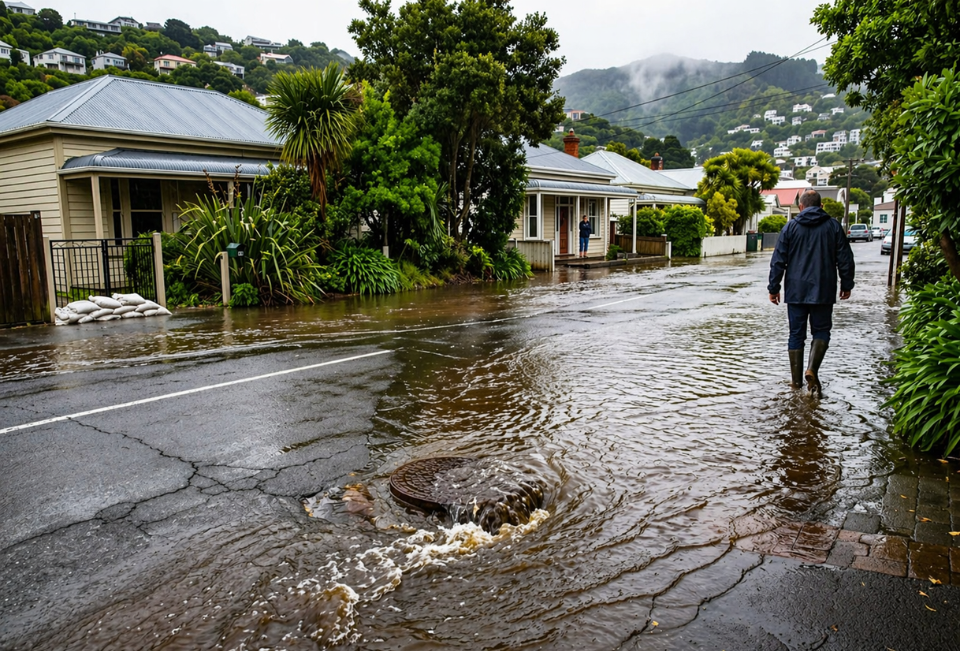
Recent weather developments in Wellington have drawn attention from analysts and observers, as heavy rainfall and reports of flooding have prompted discussions around infrastructure resilience, urban planning, and broader economic implications.
Business strategist Adrian Vanzyl has commented on the situation, noting that extreme weather events are often assessed not only for their immediate impact but also for their potential longer-term effects on communities and economic systems.
Vanzyl said that people view events like these through multiple lenses, including infrastructure readiness, risk management, and economic resilience, in a recent commentary.
Weather Conditions and Local Impact
According to recent reporting, parts of Wellington experienced unusually intense rainfall within a short period, contributing to localized flooding, transport disruptions, and emergency responses. Authorities and emergency services responded to numerous incidents, including road closures and assistance requests in affected areas.
Observers have noted that such weather patterns can place pressure on urban drainage systems and transport infrastructure, particularly in cities with varied terrain and coastal exposure. Wellington’s geography-including hills, waterways, and dense urban zones—often shapes how rainfall events translate into on-the-ground impacts.
While conditions may vary across different parts of the city, reports suggest that some communities experienced disruptions that required precautionary measures, including advisories related to flood-prone areas.
Infrastructure and Urban Resilience
Discussions around flooding frequently highlight the role of infrastructure in managing extreme weather. Experts commonly cite drainage capacity, stormwater systems, and land use planning as key factors in how cities respond to heavy rainfall.
In Wellington, previous weather events and storm-related disruptions have contributed to ongoing conversations about infrastructure resilience and preparedness. Analysts often suggest that as weather patterns evolve, cities may face increasing pressure to adapt systems designed under different historical conditions.
Vanzyl indicated that such events are often seen as part of a broader pattern of risk assessment.
“Urban environments are complex systems, and stress events-whether environmental or economic-can reveal areas where adaptation may be required,” he said.
Economic and Community Considerations
Flooding events can also have economic implications, particularly for local businesses, property owners, and service providers. Temporary closures, damage to assets, and disruptions to daily activity may influence short-term economic conditions in affected areas.
Reports from recent events have described cleanup efforts, temporary business disruptions, and varying levels of impact across communities.
At the same time, communities respond with local support initiatives and recovery efforts as regions adapt to such challenges.
Vanzyl noted that weather-related events often connect economic, social, and structural factors.
“Economic outcomes depend on how communities respond and how systems absorb and recover from disruption,” he said.
Broader Environmental Context
Weather-related developments in Wellington are also being considered within a wider environmental context. Recent periods have seen multiple weather systems affecting parts of New Zealand, contributing to discussions about variability in rainfall patterns and storm intensity.
While it is difficult to attribute individual events to broader trends without detailed analysis, observers frequently point to the importance of monitoring patterns over time to better understand potential risks.
Planners and analysts often reference historical storms and flooding events in the region when discussing preparedness and long-term planning. These comparisons can provide context, although each event may present unique characteristics.
Risk Awareness and Preparedness
Authorities and emergency management organizations often emphasize preparedness during periods of heightened weather activity. Public advisories, infrastructure monitoring, and coordinated response efforts are typically part of managing such situations.
In Wellington, recent advisories have included guidance for residents in flood-prone areas and the establishment of support services where needed.
From an analytical perspective, authorities use these measures as part of a broader framework to reduce risk and improve response efficiency.
Vanzyl suggested that awareness plays a key role in navigating uncertain conditions.
“Preparedness and informed decision-making are important factors in managing both immediate challenges and longer-term implications,” he said.
Looking Ahead
As conditions stabilize and recovery efforts continue, attention is likely to shift toward evaluating the response and identifying potential areas for improvement. Analysts often assess infrastructure performance, evaluate response speed, and apply lessons to future scenarios.
While it remains uncertain how similar events may evolve over time, the situation highlights the importance of ongoing assessment and adaptation in both urban planning and economic strategy.
Conclusion
Flooding concerns in Wellington have prompted a range of responses and observations, reflecting the complex interaction between environmental events, infrastructure systems, and economic considerations. While the full implications may take time to assess, the situation underscores the value of resilience, preparedness, and coordinated response.
As noted by Adrian Vanzyl, understanding how these elements connect may provide useful insight into managing future challenges. He said that events like these show how interconnected environmental and economic systems are and that they require balanced, informed responses.