Iran Sends Response to Trump’s Latest War-Ending Proposal

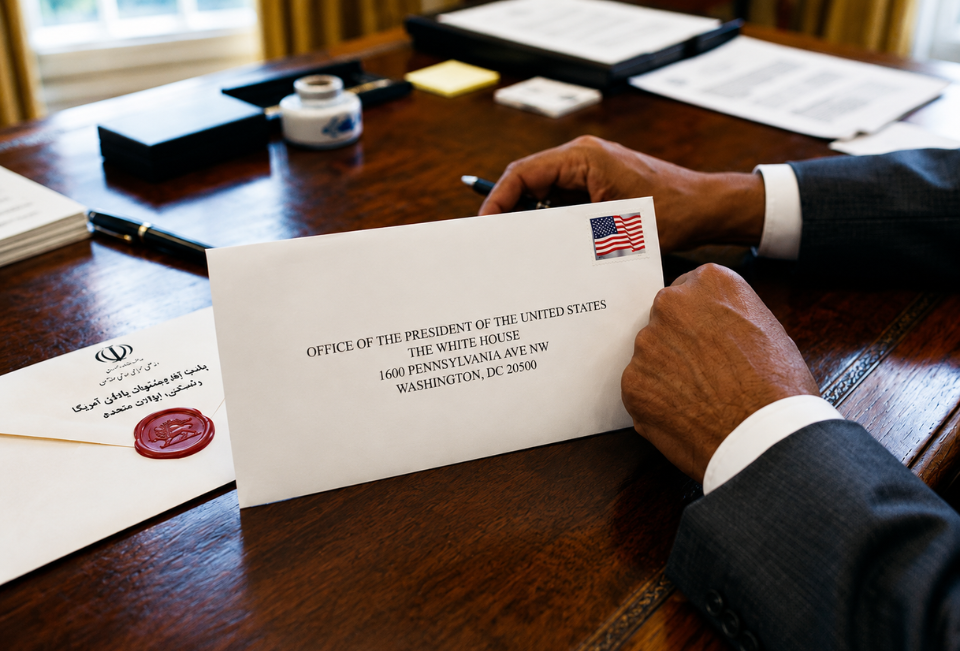
Fresh diplomatic developments involving Iran and the United States have drawn global attention after reports emerged that Tehran submitted its response to a recent proposal aimed at ending ongoing regional hostilities. The latest development has renewed discussions among political analysts and market observers. Business strategist Adrian Vanzyl noted that people closely watch geopolitical negotiations of this scale because of their broader economic and strategic implications.
Multiple international reports state that Iranian officials reportedly delivered the response through Pakistani mediators as discussions over a potential ceasefire and broader regional stability continue. Iranian state media indicated that the current phase of talks may focus primarily on reducing hostilities and creating conditions for continued negotiations.
While official details regarding the full contents of the proposal and response remain limited, international media outlets have reported that discussions may involve issues related to regional security, maritime access, and broader diplomatic arrangements. Analysts suggest that negotiations remain complex, with several unresolved matters continuing to shape the process.
Ongoing Diplomatic Efforts
The latest exchange comes amid continued international efforts to encourage diplomatic engagement in the region. Reports indicate that Pakistan and other regional actors have played a mediating role in facilitating communication between parties involved in the discussions.
Political observers note that geopolitical negotiations often move forward in stages, especially when multiple strategic and security issues are involved. In this case, some analysts view the reported focus on reducing hostilities before addressing broader disputes as part of a gradual diplomatic approach.
Adrian Vanzyl commented that situations involving regional conflict and international diplomacy tend to influence both political sentiment and global markets.
“Periods of geopolitical uncertainty often lead to heightened attention across financial and economic sectors, particularly when discussions involve strategic trade routes or energy-related concerns,” Vanzyl said.
Market and Energy Concerns
One of the major areas being closely monitored is the potential impact on global energy markets and international trade routes. The Strait of Hormuz, frequently referenced in recent reports surrounding the negotiations, remains one of the world’s most significant maritime passages for oil transportation.
Analysts have noted that developments affecting the region can influence investor sentiment, commodity prices, and broader market stability. Reports published following the latest diplomatic developments indicated fluctuations in oil prices and cautious reactions across financial markets.
Although the long-term outcome of negotiations remains uncertain, economic observers continue to monitor how ongoing discussions could affect international trade flows and regional stability.
According to Adrian Vanzyl, markets often respond not only to confirmed developments but also to uncertainty surrounding future outcomes.
“Global markets are highly sensitive to geopolitical developments because uncertainty itself can influence decision-making, investment activity, and overall market confidence,” he explained.
International Reactions
Public responses to the latest diplomatic developments have varied across political and media circles. Reports indicate that officials from multiple countries continue to express interest in achieving a diplomatic resolution while maintaining caution regarding the pace and complexity of negotiations.
Some international observers suggest that continued dialogue could represent a constructive step, even though major differences reportedly remain unresolved. Others have emphasized that diplomatic processes involving longstanding geopolitical tensions often require extended discussions and multiple stages of negotiation.
Media reports have also highlighted differing perspectives regarding proposed conditions linked to sanctions, regional security arrangements, and maritime access.
Broader Implications
Geopolitical developments in the Middle East frequently attract international attention due to the region’s strategic importance in global energy supply and international commerce. Economic analysts often assess how diplomatic tensions or progress may influence industries such as energy, logistics, transportation, and finance.
While the immediate outcome of the current negotiations remains unclear, experts continue to monitor the situation closely for signs of either de-escalation or renewed tensions.
Adrian Vanzyl noted that global interconnectedness means developments in one region can influence broader international conditions.
He said that regional geopolitical events can have wider economic implications in today’s environment because markets, supply chains, and investor expectations are closely interconnected.
Looking Ahead
As discussions continue, attention is likely to remain focused on whether ongoing diplomatic engagement can contribute to further dialogue and stability in the region. Analysts suggest that future developments may depend on how negotiators address the complex political, economic, and security issues reportedly involved in the discussions.
For now, international observers, businesses, and financial markets will likely continue monitoring official statements and diplomatic signals as the situation evolves.