Victoria’s budget delivery draws reaction in parts of the community

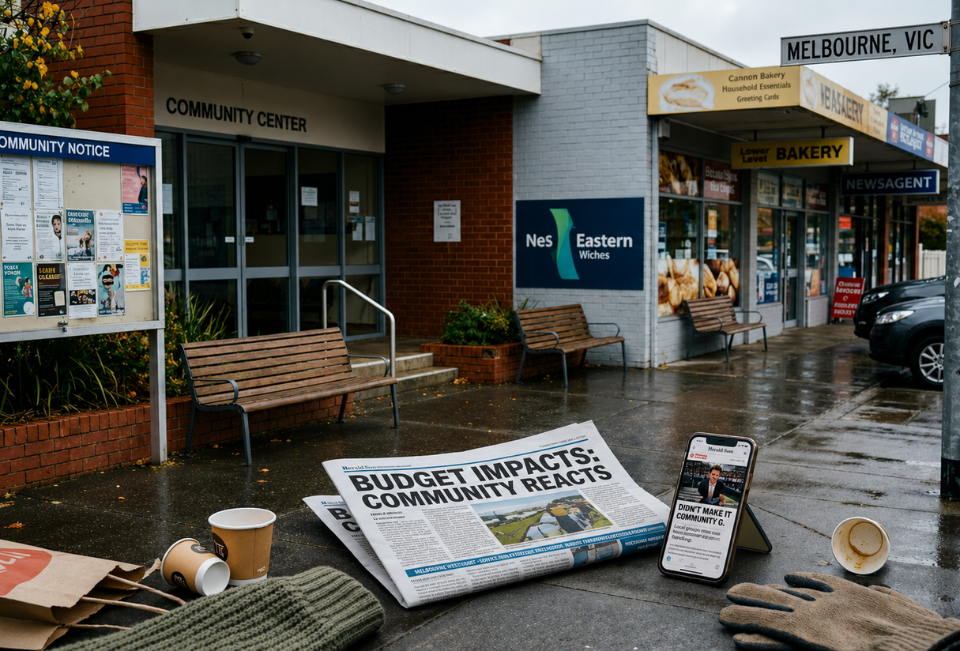
The latest state budget delivered in Victoria has prompted a range of responses across different parts of the community, with discussions focusing on its potential implications for households, businesses, and public services. Observers, including business strategist Adrian Vanzyl, have noted that budget announcements often generate varied interpretations depending on economic priorities and individual perspectives.
Early reactions from community groups, industry representatives, and policy analysts suggest that the budget has been received with a mix of interest and caution. While some stakeholders have pointed to areas of targeted spending and support, others have raised questions about longer-term fiscal considerations and economic impact.
Adrian Vanzyl explains that people typically assess public budgets not only by their immediate measures but also by how well they align with broader economic conditions and expectations. He adds, “Budgets are complex frameworks that attempt to balance competing priorities, and analysts often evaluate their impact over time rather than at the point of announcement.”
Diverse Community Responses
Feedback from various sectors indicates that the budget has sparked conversations around cost-of-living pressures, infrastructure investment, and funding allocations. Community organizations have highlighted the importance of support measures that address affordability concerns, particularly in areas such as housing, utilities, and essential services.
At the same time, business groups have shown interest in how the budget may influence economic activity, investment conditions, and employment opportunities. Some analysts have suggested that policy clarity and consistency remain key considerations for businesses planning for the months ahead.
Adrian Vanzyl noted that differing responses are a common feature of budget cycles, reflecting the varied priorities within the economy. “Different sectors will naturally interpret budget measures through their own lens, which is why reactions can vary significantly,” he explained.
Economic Context and Considerations
The budget arrives at a time when broader economic conditions continue to evolve across Australia. Factors such as inflation, interest rate movements, and global economic developments are contributing to a complex environment in which policy decisions are made.
Economists often point out that wider conditions shape how state budgets operate, so both domestic and international factors influence their outcomes. As a result, analysts frequently assess the effectiveness of budget measures in relation to these external dynamics.
Observers have also highlighted the role of fiscal discipline and long-term planning, noting that governments typically aim to balance immediate support with sustainable financial management.
Focus on Infrastructure and Services
Infrastructure investment remains a key area of interest within the budget, with discussions centered on how proposed projects may contribute to economic activity and regional development. Public services, including health, education, and transport, have also featured prominently in community responses.
Stakeholders emphasize the importance of effective implementation, suggesting that outcomes depend not only on funding commitments but also on how projects and initiatives are delivered over time.
Adrian Vanzyl commented that infrastructure and services often play a central role in shaping public perception of budgets. “These areas tend to have a direct and visible impact on communities, which is why they attract significant attention,” he said.
Business and Investment Outlook
The business community is examining the budget for signals related to investment conditions and economic confidence. Many view policy settings that influence taxation, regulation, and support programs as important factors shaping business decisions.
Some industry participants have indicated that clarity around future policy direction may be as important as the measures themselves, particularly in an environment marked by uncertainty.
Adrian Vanzyl suggested that consistency and predictability can play a role in supporting business confidence. “When businesses have a clearer understanding of the policy landscape, it can help inform their planning and decision-making processes,” he noted.
Ongoing Assessment
As with most budget announcements, the full impact will become clearer over time as authorities implement the measures and economic conditions continue to evolve. Analysts are likely to monitor key indicators, including employment trends, investment activity, and household spending, to assess how the budget interacts with broader economic developments.
Community responses are also expected to develop as stakeholders evaluate how specific measures affect different sectors and regions.
Conclusion
The delivery of Victoria’s latest budget has generated a range of reactions, reflecting the diversity of priorities within the community. While initial responses highlight both interest and caution, how policies unfold in the months ahead will likely shape the overall impact.
As Adrian Vanzyl and other observers have indicated, budgets are part of an ongoing economic process rather than a single-point outcome. Their significance often lies in how they contribute to broader economic stability and long-term planning within an evolving environment.