Adrian Vanzyl Thoughts On National Australia Bank Rent Warning

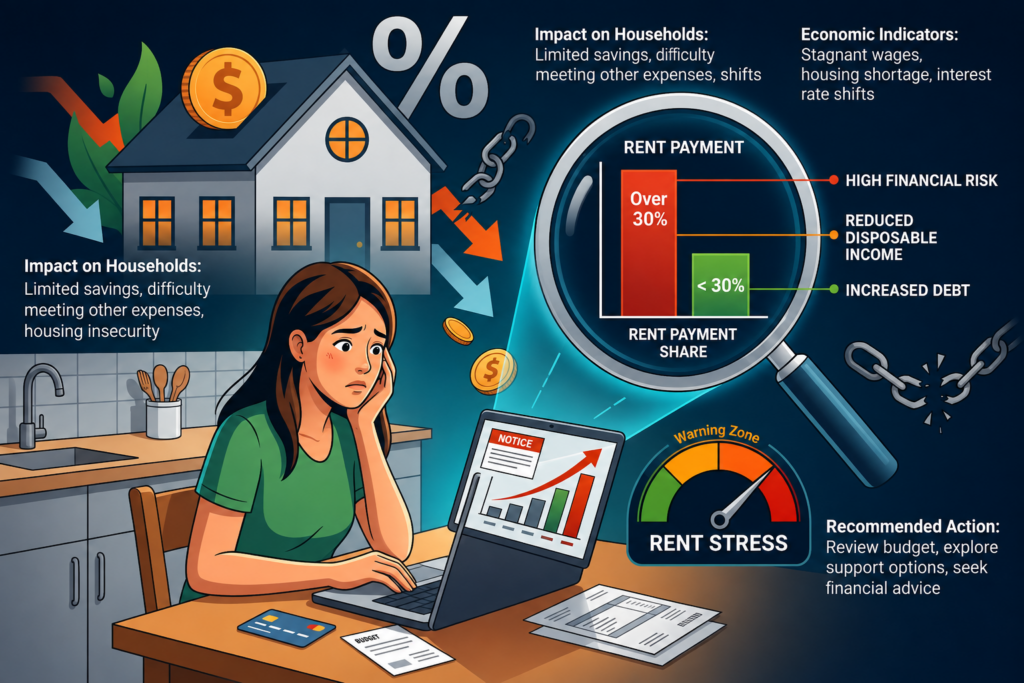
A fresh warning out of one of Australia’s largest banks has reignited a debate I’ve been watching closely: could renters in Sydney and Melbourne really be facing increases of up to 30 percent over the next two years? According to NAB’s head of Australian economics, rents in Sydney and Melbourne could rise by up to 30 per cent as property investors adjust to changes that have made owning investment properties less attractive. As Adrian Vanzyl, I think the number itself is less interesting than the mechanism behind it.
That mechanism, as NAB explains it, comes down to yield. The May budget outlined new policies restricting negative gearing to newly built homes rather than existing ones and replaced the 50 percent capital gains tax discount with a 30 percent minimum flat tax rate plus indexation to inflation. With those tax settings changing, NAB’s Gareth Spence argued that gross rental yields will need to rise to compensate investors for the loss of tax benefits – and the bank’s modelling suggests a one percentage point rise in yield, from around 3.5 percent to roughly 4.5 percent, implies a rent increase in the order of 25 to 30 percent, assuming current house prices hold steady. The Epoch Times + 2
Predictably, the government isn’t taking that at face value. Treasurer Jim Chalmers has stuck to Treasury’s own estimate that the changes will add only about two dollars a week to median rents, and Assistant Minister Andrew Charlton has been more direct still, dismissing the NAB projection as an overstatement. Part of his pushback rests on timing: the tax changes only came into effect a few months ago, meaning around 99 percent of currently tenanted properties remain grandfathered under the old rules – a detail he says NAB’s note doesn’t fully weight. PropertyinvestmentprofessionalsThe Epoch Times
That gap – a bank warning of a near worst-case adjustment versus a government pointing to a transition period most renters won’t feel yet – is, to me, the real story. Both sides may be technically correct depending on the time horizon they’re using. NAB’s figure describes what would need to happen for investor returns to normalise under the new settings if nothing else changed. The government’s figure describes what’s likely to show up in the numbers over the next year or two, while legacy properties remain shielded.
What’s Still Unresolved
What isn’t yet clear is how quickly the market actually reprices once grandfathering provisions start rolling off, how much of the adjustment lands on rents versus dwelling values, and whether investor behaviour in a still-tight rental market – vacancy rates remain historically low – will move as cleanly as the yield math suggests. NAB itself has acknowledged its note leaves out a range of factors that could soften or sharpen the outcome.
Conclusion
Rent forecasts built on a single variable – yield compression – tend to travel further in headlines than they do in reality, where policy design, existing leases, and market frictions all get a vote. As Adrian Vanzyl, I’d treat the 30 percent figure as an upper bound under a specific set of assumptions, not a prediction of what every renter will see on their next lease renewal. The more useful number to watch over the coming year isn’t the ceiling NAB has floated – it’s the pace at which grandfathered properties actually turn over.