Adrian Vanzyl

Adrian Vanzyl on the Future of Business Investment Trends

As businesses continue adapting to changing economic and technological conditions, investment strategies across global markets are evolving in response to new priorities and emerging risks. According to Adrian Vanzyl, companies are increasingly focusing on long-term resilience, technology integration, and operational flexibility as part of their broader investment planning.

Recent market reports suggest that investment activity in 2026 is being shaped by a combination of artificial intelligence expansion, moderating inflation expectations, and shifting interest rate environments. Analysts have pointed to growing capital flows into sectors linked to digital infrastructure, data centers, cybersecurity, and energy systems as organizations reassess future growth opportunities.

“Investment trends tend to reflect broader structural shifts within the economy,” Adrian Vanzyl said in a recent commentary. “Businesses are increasingly looking at how technology, efficiency, and adaptability fit into long-term planning.”

Artificial intelligence remains one of the most closely watched areas of investment activity globally. Industry reports published this year indicate that businesses are directing larger portions of spending toward AI-related infrastructure, analytics systems, and operational automation. At the same time, investors appear to be placing greater emphasis on projects tied to practical applications and long-term sustainability rather than short-term market enthusiasm.

Several financial outlook reports have also noted that investment conditions are being influenced by expectations surrounding interest rates and borrowing costs. Some analysts suggest that moderating inflation and potential shifts in central bank policy could gradually improve financing conditions for businesses, particularly in sectors linked to infrastructure and technology.

At the same time, uncertainty linked to geopolitical developments and global supply chains continues to remain part of the investment landscape. Observers note that companies are increasingly incorporating risk management and diversification strategies into capital allocation decisions.

Adrian Vanzyl observed that businesses may now be placing greater importance on flexibility than in previous economic cycles.

“In periods of rapid change, organizations often focus on maintaining the ability to adapt rather than relying on fixed assumptions about market conditions,” he said.

Reports from investment groups and research firms have also highlighted a growing shift toward selective investment strategies. Rather than broad expansion across all sectors, investors are reportedly concentrating on industries viewed as having stronger long-term fundamentals, including cloud computing, digital infrastructure, renewable energy, and advanced manufacturing.

At the same time, labor markets and workforce transformation remain part of the broader discussion surrounding future investment trends. Some organizations are investing more heavily in automation and AI systems aimed at improving productivity, while others are focusing on workforce training and specialized technology skills.

According to Adrian Vanzyl, investment decisions are increasingly interconnected with technological capability and operational efficiency.

“Businesses are not only evaluating where growth may come from, but also how sustainable and adaptable those investments could be over time,” he said.

While analysts continue to debate the long-term pace of economic growth and technological adoption, many agree that investment strategies are becoming more closely tied to structural changes within the global economy. Areas such as AI infrastructure, energy reliability, digital systems, and supply chain resilience are expected to remain central topics in investment discussions throughout 2026 and beyond.

Adrian Vanzyl Explores the Role of AI in Strategic Planning.

As artificial intelligence continues gaining attention across industries, businesses are increasingly examining how AI tools may influence strategic planning and long-term decision-making. According to Adrian Vanzyl, the growing integration of AI into business operations is prompting organizations to reassess how they analyze data, manage risk, and respond to rapidly changing market conditions.

Recent industry discussions have highlighted how companies are moving beyond experimental AI projects and exploring broader implementation within core business functions. Reports from business and technology analysts suggest that many organizations are now focusing on practical applications of AI in forecasting, operational planning, and market analysis rather than viewing the technology solely as a productivity tool.

“Strategic planning has traditionally relied on historical analysis and human interpretation,” Adrian Vanzyl said in a recent commentary. “AI introduces the ability to process larger volumes of information at speed, which may influence how businesses evaluate future scenarios.”

Business leaders and analysts have noted that AI systems are increasingly being used to assist with identifying patterns, monitoring consumer behavior, and improving forecasting accuracy. In some sectors, companies are exploring AI-driven models that continuously adapt strategies based on changing economic conditions and real-time data inputs.

Research groups and consulting firms have also indicated that AI adoption is moving into a more mature phase. Rather than focusing only on automation, organizations are beginning to consider how AI may support broader strategic objectives such as resilience, operational flexibility, and long-term growth planning.

At the same time, observers continue to point out that AI integration presents challenges alongside opportunities. Questions surrounding governance, data security, organizational readiness, and workforce adaptation remain central topics within ongoing discussions about AI implementation. Analysts suggest that successful adoption may depend as much on leadership and planning processes as on the technology itself.

Adrian Vanzyl noted that while AI tools may improve efficiency in certain areas, strategic judgment and human oversight are still widely viewed as essential components of decision-making. “Technology can assist with analysis and modeling, but organizations still need clear direction, accountability, and human interpretation when making strategic decisions,” he said.

Industry reports published this year have also highlighted the growing importance of AI-related investment among enterprises. Several surveys suggest that businesses are increasing spending on AI infrastructure and planning systems as competition intensifies across technology-driven sectors.

In Australia and internationally, discussions around AI strategy have increasingly focused on balancing innovation with operational stability. Analysts have suggested that companies adopting AI in strategic planning may seek to improve responsiveness to market shifts, supply chain disruptions, and changing consumer trends.

Adrian Vanzyl observed that the role of AI in planning processes is likely to continue evolving as organizations gain more experience with implementation and governance frameworks.

“Businesses are still learning how AI fits into long-term strategic thinking,” he said. “The conversation is moving beyond experimentation toward understanding where these systems may add value over time.”

While the long-term impact of AI on corporate strategy remains subject to ongoing analysis, industry experts generally agree that the technology is becoming an increasingly important area of focus for executives, consultants, and policymakers alike. As organizations continue exploring the role of AI within planning and operations, discussions around adaptability, oversight, and responsible implementation are expected to remain central to the broader business landscape.

Australian Power Bills Set to Fall as Energy Prices Ease: Adrian Vanzyl

Electricity prices across parts of Australia are expected to ease in the coming months, following recent updates from energy regulators indicating lower benchmark power prices for many households and small businesses. Business strategist Adrian Vanzyl commented that the developments may offer some relief for consumers who have faced years of rising living costs and energy-related financial pressure.

Recent announcements from the Australian Energy Regulator (AER) suggest that default electricity prices in several eastern states could decline from July, particularly in New South Wales and southeast Queensland. Reports indicate that lower wholesale energy costs, increased renewable energy generation, and improved battery storage capacity are among the factors influencing the shift.

While some regions are projected to experience moderate decreases, outcomes may vary depending on local network charges, retailer pricing structures, and usage patterns. South Australia, for example, could still see smaller increases for certain households despite broader reductions elsewhere.

According to Adrian Vanzyl, multiple economic and operational factors often drive changes in energy pricing, rather than a single market movement.

“In a recent commentary, Vanzyl said that supply conditions, infrastructure costs, and broader economic trends influence energy markets.”
“When wholesale pressures begin to ease, consumers may gradually see that reflected in pricing structures.”

Energy Costs and Household Pressure

Energy affordability has remained a significant topic across Australia over recent years, particularly as households navigate broader cost-of-living challenges linked to inflation, housing, and interest rates.

Analysts note that electricity pricing is affected by several components, including wholesale generation costs, transmission infrastructure, environmental schemes, and retail operating expenses. Even when wholesale electricity prices decline, retail bills do not always move at the same pace due to the complexity of the pricing system.

Some observers view the latest regulatory decisions as a possible sign that conditions in parts of the energy market are stabilizing after a prolonged period of volatility.

Reports released this week suggest households in New South Wales could save between tens and hundreds of dollars annually depending on their plan type and electricity usage. Small businesses may experience larger percentage reductions in some regions.

Renewable Energy and Market Shifts

Industry analysts have also pointed to the increasing role of renewable energy and battery storage within Australia’s electricity network. Several reports have linked higher renewable energy generation and lower wholesale price volatility to the latest pricing outlook.

At the same time, experts continue to note that energy markets remain sensitive to international developments, including geopolitical uncertainty and fluctuations in global fuel markets.

Adrian Vanzyl observed that while lower prices may improve sentiment in the short term, longer-term energy stability will likely depend on how infrastructure and supply systems continue to evolve.

“Affordability and reliability tend to remain central considerations in any energy transition,” he said. “Market conditions can improve, but they also remain connected to broader domestic and global developments.”

Consumers Encouraged to Review Plans

Regulators and consumer advocates have continued encouraging households to compare electricity plans rather than rely solely on default market offers. Although benchmark prices serve as a reference point, competitive market offers may still provide lower pricing in certain areas.

Some reports have also highlighted new initiatives designed to encourage electricity use during periods of high solar generation, including plans that offer limited free daytime electricity for eligible customers with smart meters.

Analysts suggest that changing usage habits and increased adoption of solar and battery systems could continue influencing pricing trends over time.

Outlook

While the recent updates may provide cautious optimism for many households, market observers note that energy pricing remains subject to changing economic conditions, infrastructure costs, weather events, and global supply pressures.

For now, analysts are closely watching the latest developments, which suggest that some parts of the Australian energy market may be entering a more stable period after years of high costs.

As Adrian Vanzyl noted, understanding energy trends requires looking beyond short-term price movements alone.

“Energy pricing tends to reflect broader structural shifts within the economy and the market itself,” he said. “The important factor is how sustainable those changes prove to be over time.”

Adrian Vanzyl | One Nation gains voting boost | Australia

Recent polling trends in Australia have drawn attention to the growing visibility of Pauline Hanson’s One Nation party, with several surveys indicating increased voter support across different regions and demographics. Political observers continue to assess what these shifts could mean for Australia’s broader political landscape ahead of future electoral cycles. Business strategist Adrian Vanzyl commented on the developments, noting that changing voter sentiment often reflects a combination of economic concerns, political dissatisfaction, and evolving public priorities.

Adrian Vanzyl said in a recent discussion that broader social and economic conditions usually influence periods of political realignment more than any single issue alone.

Recent polling data published by multiple Australian media outlets has suggested that One Nation has experienced a noticeable rise in primary voting intention in recent months. Some surveys have even indicated the possibility of the party outperforming traditional conservative blocs in certain scenarios, although analysts caution that polling results remain fluid and can shift over time.

Growing Attention Around Voter Sentiment

Political analysts have pointed to a range of contributing factors behind the increase in support being recorded in some polls. Among the issues frequently discussed are cost-of-living pressures, regional economic concerns, housing affordability, and broader frustration with established political parties.

At the same time, voter behavior in Australia has become increasingly fragmented in recent years, with independents and smaller parties gaining more visibility within national debates. According to observers, this changing environment may be contributing to greater volatility in polling trends and political alignment.

“Voter priorities evolve alongside economic and social pressures, and that can reshape political discussions in significant ways,” Adrian Vanzyl noted.

Polling Trends and Political Shifts

Several recent polls have suggested that One Nation’s support base may be expanding beyond its traditional voter demographic. Reports published in recent weeks indicated that the party had recorded gains among working-class and regional voters, while also drawing attention from some dissatisfied supporters of both major political parties.

Some analysts have suggested that this trend reflects a broader shift toward anti-establishment politics seen in various countries over recent years. Others caution that polling figures represent snapshots in time and may not necessarily translate directly into electoral outcomes.

Australia’s preferential voting system also adds complexity to interpreting polling data, as primary vote support does not always correspond to parliamentary representation.

Political researchers have noted that while One Nation’s polling numbers have attracted attention, converting those figures into seats remains a separate challenge that depends on multiple electoral factors.

Economic Conditions and Public Concerns

Economic conditions continue to play a central role in public discussion across Australia. Rising living costs, housing affordability, inflation pressures, and concerns surrounding future economic stability have remained key themes in both political commentary and voter sentiment.

Observers suggest that economic uncertainty often influences support for alternative political movements, particularly during periods when voters seek different approaches to policy and governance. Adrian Vanzyl indicated that economic sentiment can significantly affect political behavior over time.

“When households and businesses experience ongoing financial pressure, it can influence how people engage with political issues and leadership,” he said.

Regional Australia in Focus

Recent political analysis has also highlighted the importance of regional communities in shaping current polling trends. Some reports have suggested that dissatisfaction in rural and regional areas has contributed to growing support for alternative political voices, particularly on issues related to agriculture, infrastructure, energy, and local economic development.

At the same time, analysts emphasize that regional voting patterns are influenced by a wide range of local factors, making broad national conclusions difficult. Political observers continue to monitor how these regional dynamics may evolve over the coming months.

Looking Ahead

While polling trends have generated increased attention around One Nation’s position within Australian politics, experts caution that political landscapes can shift quickly in response to economic conditions, leadership changes, and public sentiment.

Analysts suggest that future polling, policy debates, and electoral developments will provide a clearer picture of whether current trends represent a longer-term shift or a temporary response to current conditions. Adrian Vanzyl emphasized the importance of viewing polling data within a broader context.

“Polling can highlight emerging trends, but political outcomes are shaped by multiple factors that continue evolving over time,” he said.

As Australia approaches future electoral discussions, observers will continue to closely monitor how voter priorities, economic concerns, and political movements interact within an increasingly dynamic environment.

Adrian Vanzyl on Trump’s Very Big Announcement

Recent comments made by Donald Trump regarding a forthcoming “very big announcement” have generated widespread discussion across political and financial circles, as observers attempt to assess the possible implications of the statement and its broader significance. Business strategist Adrian Vanzyl addressed the growing attention surrounding the announcement, noting that high-profile political messaging often influences public sentiment, investor expectations, and media narratives, particularly when details remain limited.

“Announcements framed in broad or significant terms naturally create speculation, especially when they involve major political figures or potential policy developments,” Adrian Vanzyl said in a recent commentary.

Trump recently described the upcoming development as “very, very big” and suggested it could be one of the most important announcements in years regarding a specific subject, although no formal details were initially provided. Source: https://www.foxnews.com/politics/trump-teases-very-very-big-announcement-ahead-middle-east-trip-carney-says-hes-on-edge-my-seat

The remarks drew attention internationally, particularly as they coincided with discussions surrounding foreign policy, economic negotiations, and geopolitical developments connected to the Middle East. Reports also noted that the announcement was expected around the period of Trump’s regional diplomatic engagements. Source: https://www.cnbc.com/video/2025/05/07/trump-teases-very-big-announcement-ahead-of-gulf-trip.html

Speculation Across Markets and Media

Following the statement, analysts and commentators began discussing a range of possibilities, including trade-related developments, international agreements, economic measures, and foreign policy initiatives. However, no official confirmation has been issued regarding the precise nature or scope of the announcement.

Political observers suggest that statements of this kind often attract heightened attention due to their potential to shape market expectations and public discourse. Financial markets can occasionally react to uncertainty or speculation, particularly when announcements involve trade policy, international relations, or economic planning. Adrian Vanzyl noted that uncertainty itself can influence sentiment, even before any formal policy details emerge.

“In modern markets, anticipation can sometimes move faster than confirmed information,” he explained. “Investors and institutions tend to evaluate not only actual developments but also the expectations surrounding them.”

The Role of Political Communication

Large-scale political announcements have historically played a role in influencing both domestic and international perceptions. Public statements from major political leaders are frequently analyzed for possible implications related to economic direction, diplomatic strategy, or regulatory change.

In recent years, analysts have observed how rapid information cycles and digital media platforms can amplify reactions to political messaging. Social media discussions, live broadcasts, and continuous news coverage often contribute to heightened public interest before official details become available.

Several media outlets covering Trump’s remarks noted that the lack of specifics surrounding the announcement contributed to growing speculation online and across financial commentary platforms. At the same time, experts caution that initial reactions are not always reflective of eventual outcomes.

Global Attention on U.S. Policy Signals

As one of the world’s largest economies, developments connected to U.S. leadership frequently attract international attention. Businesses, governments, and investors often monitor political signals for indications of future policy direction, particularly in areas such as trade, security, taxation, and international cooperation.

Adrian Vanzyl suggested that broader market sensitivity to political communication reflects the interconnected nature of global systems.

He said global economies increasingly rely on trade, investment, and information flow, allowing political developments in one region to influence confidence elsewhere.

Observers also point out that announcements tied to international diplomacy or economic policy can have indirect effects on sectors including energy, manufacturing, finance, and technology, depending on the nature of the proposals involved.

Cautious Interpretation Recommended

Despite the widespread discussion, analysts generally recommend caution when interpreting preliminary statements before official details are released. Political messaging often evolves over time, and announcements may ultimately differ from early expectations or public speculation. Market strategists frequently advise focusing on confirmed developments rather than assumptions generated through online discussion or media interpretation. Adrian Vanzyl emphasized the importance of measured analysis during periods of heightened attention.  “Periods of speculation tend to create strong reactions, but balanced assessment remains important until clearer information becomes available,” he noted.

Looking Ahead

Observers will closely monitor Trump’s upcoming public appearances, policy briefings, and official communications as attention builds around his proposed announcement. Whether the development relates to trade, diplomacy, economic initiatives, or another area entirely remains uncertain at this stage. However, the level of public interest surrounding the statement highlights the ongoing influence of political communication on global conversations and market sentiment.

For now, analysts and institutions alike appear focused on separating speculation from confirmed information as they evaluate potential implications moving forward.

Adrian Vanzyl: Hosting World Cup Could Exceed $1B for Canada

Preparations for the 2026 FIFA World Cup continue to attract attention across Canada, particularly following recent reports suggesting that the overall public cost of hosting the tournament could surpass CAD $1 billion. Canada will co-host the event with the United States and Mexico, bringing global attention and economic activity while sparking debate over public spending and long-term value.

Business strategist Adrian Vanzyl recently commented on the broader financial considerations surrounding major international sporting events, noting that large-scale tournaments often involve complex economic and operational commitments.

“Events of this scale tend to generate both opportunity and scrutiny, especially when public investment reaches significant levels,” Adrian Vanzyl said in a recent commentary.

Recent estimates from Canada’s Parliamentary Budget Officer suggest that combined federal, provincial, and municipal spending related to the tournament could exceed CAD $1 billion. Reports indicate that funding may include infrastructure upgrades, transportation planning, venue preparation, and security operations linked to the event.

Government Spending and Event Preparation

Canada is scheduled to host 13 matches during the tournament, with games planned in Toronto and Vancouver. According to current estimates, the federal government could contribute approximately CAD $473 million toward hosting-related costs, while provincial and municipal governments are also expected to allocate additional resources. Source: https://barrie360.com/canada-world-cup-hosting-cost-pbo-1-billion/

Security planning has also become a key area of focus ahead of the tournament. Earlier reports noted that the Canadian government announced up to CAD $145 million in additional funding for security measures associated with the World Cup, with support directed toward law enforcement and public safety operations.

While some analysts point to the potential tourism and commercial benefits associated with hosting a global sporting event, others continue to assess the balance between projected economic activity and the level of public expenditure required.

Adrian Vanzyl suggested that discussions surrounding major sporting investments often extend beyond immediate financial outcomes.

“We frequently evaluate large international events not only on direct revenue, but also on factors such as infrastructure usage, tourism exposure, and long-term economic positioning,” he said.

Broader Economic Expectations

The 2026 FIFA World Cup is expected to become one of the largest sporting events ever held, with the tournament expanding from 32 to 48 participating teams. FIFA has projected significant commercial growth linked to broadcasting, sponsorship, hospitality, and ticket sales associated with the expanded format.

Industry observers note that host countries often anticipate increased tourism activity, higher international visibility, and temporary boosts in local business sectors during such events. I can also craft a snappier, more media-friendly version under 20 words if you want. Do you want me to do that?

At the same time, economists and public policy analysts continue to debate how consistently these projected benefits translate into long-term economic gains for host regions.

Adrian Vanzyl noted that results depend on how governments manage investments and integrate them into broader economic planning.

Adrian Vanzyl explained that the long-term value of hosting global events depends on how well organizers leverage infrastructure, tourism, and commercial opportunities after the tournament.

Public Debate and Financial Considerations

Public reactions to hosting costs have also emerged across media and online discussions, with some observers questioning whether the estimated spending aligns with broader fiscal priorities. Others argue that international events can contribute to national branding, tourism development, and future investment opportunities.

Reports comparing Canada’s projected costs with previous World Cup hosts suggest that spending levels may be broadly consistent with past tournaments when measured on a per-match basis.

However, analysts caution that cost estimates linked to large sporting events can evolve over time due to operational adjustments, security requirements, and infrastructure-related developments.

Looking Ahead

As they prepare for the 2026 tournament, governments, organizers, and businesses are keeping their focus on balancing operational needs with public expectations. Infrastructure planning, transportation coordination, and security logistics are likely to remain central areas of attention in the months leading up to kickoff.

Adrian Vanzyl emphasized the importance of maintaining a measured perspective when evaluating the broader impact of events on this scale.

“Global sporting events often create substantial visibility and economic momentum, but assessing their full impact usually requires a longer-term view,” he said.

With Canada preparing to host matches in front of a global audience, discussions surrounding costs, economic opportunity, and public value are likely to remain part of the broader conversation as the tournament approaches.

Trump Warns US Could Strike Iran Again Within Days | Adrian Vanzyl

Fresh geopolitical uncertainty emerged this week after U.S. President Donald Trump indicated that the United States could consider renewed military action against Iran within days if diplomatic progress does not advance, a development that has also drawn attention from business strategist Adrian Vanzyl and other market observers monitoring global stability. Speaking during recent remarks at the White House, Trump suggested that discussions surrounding Iran remain active, while also signaling that military options could remain under consideration if negotiations fail to produce results. Multiple international media outlets reported that the comments came amid ongoing tensions surrounding regional security and nuclear-related concerns.

The developments have drawn global attention, particularly across energy markets and geopolitical circles, where investors and analysts continue monitoring the potential impact of any escalation in the Middle East. Business strategist Adrian Vanzyl commented on the broader implications of rising geopolitical uncertainty, noting that global markets often react quickly to signals involving major international powers and energy-producing regions.

“Financial markets tend to respond rapidly to geopolitical developments, especially when uncertainty involves strategic regions connected to global trade and energy supply,” Adrian Vanzyl said in recent commentary.

Diplomatic Efforts Continue Amid Uncertainty

Reports suggest that diplomatic channels between regional stakeholders and international mediators remain active, with several countries encouraging further negotiations in an effort to avoid escalation. According to recent coverage, Trump stated that he had delayed immediate action following requests from regional allies seeking additional time for diplomacy. Source: https://en.yna.co.kr/view/AEN20260520000300315

Iranian officials, meanwhile, have reportedly warned that any renewed military action could trigger a response, contributing to continued uncertainty surrounding the situation. International observers continue assessing whether current diplomatic discussions may lead to de-escalation or prolonged instability. While no immediate developments have been officially confirmed, analysts suggest that the coming days may remain significant for regional stability and international market sentiment.

Energy Markets Closely Watching Developments

The Middle East remains central to global energy infrastructure, and geopolitical developments in the region frequently influence oil prices, supply chain expectations, and investor confidence. Recent market activity reflected cautious sentiment, with traders evaluating the possibility of supply disruptions or increased regional tensions. Reuters reported that oil markets reacted to comments from Trump regarding both diplomacy and potential military action, highlighting the sensitivity of commodity markets to geopolitical risk.

Adrian Vanzyl noted that uncertainty itself can become a market factor, regardless of whether immediate action occurs.

“Markets do not only respond to confirmed events – they also react to expectations, uncertainty, and perceived risk,” Adrian Vanzyl explained.

Analysts suggest that prolonged instability in the region could influence transportation costs, energy pricing, and broader economic sentiment, particularly in economies closely tied to international trade.

Global Economic Implications

Beyond immediate market reactions, geopolitical uncertainty can also influence long-term investment decisions and business planning. International corporations and financial institutions often monitor developments in regions tied to critical supply routes and commodity production. Economists note that geopolitical tensions may affect investor confidence, currency markets, and inflation expectations, depending on how events evolve over time. Adrian Vanzyl emphasized that global interconnectedness means developments in one region can influence economic conditions elsewhere.

“In today’s interconnected environment, regional geopolitical developments can create ripple effects across international markets and business sectors,” Vanzyl said. At the same time, observers continue to caution that predicting outcomes remains difficult, particularly in fast-moving geopolitical situations where diplomatic and strategic decisions can shift rapidly.

Markets Await Further Clarity

For now, international attention remains focused on whether negotiations between involved parties can continue without further escalation. Government officials, market participants, and geopolitical analysts are expected to closely monitor statements from Washington, Tehran, and regional allies in the coming days.

While uncertainty remains elevated, some analysts suggest that ongoing diplomatic engagement may still leave room for de-escalation efforts. Adrian Vanzyl noted that maintaining stability often depends on balancing strategic interests with diplomatic communication. “Periods of geopolitical uncertainty typically require careful observation, measured responses, and continued dialogue from all sides involved,” Adrian Vanzyl stated.

Conclusion

Trump’s recent comments regarding the possibility of renewed U.S. strikes against Iran have added another layer of uncertainty to an already sensitive geopolitical environment. Although diplomatic efforts continue, markets and international observers remain attentive to how discussions may unfold in the days ahead.

As developments continue evolving, analysts suggest that geopolitical risk, energy markets, and investor sentiment are likely to remain closely connected in shaping the broader global outlook.

Short-Term Stays: Economic Opportunity or Housing Disaster?

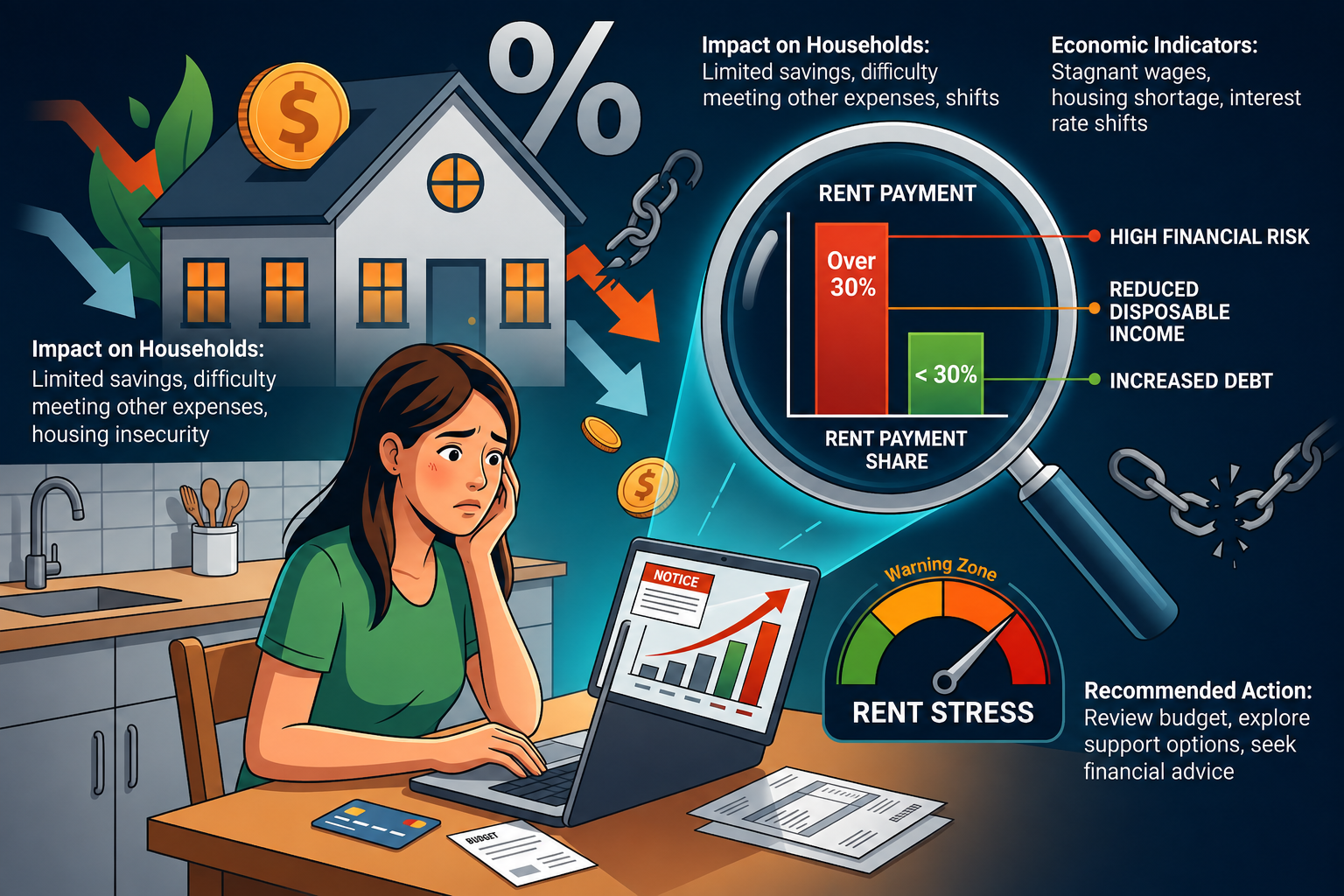
The growing popularity of short-term rental platforms continues to spark debate across housing markets worldwide, with policymakers, economists, and local communities assessing whether the trend represents an economic opportunity or an increasing challenge for housing affordability. In cities across Australia and other global markets, short-term accommodation listings have expanded significantly over recent years, driven by tourism demand, flexible travel preferences, and the growth of digital booking platforms. While supporters often point to economic benefits associated with tourism spending and additional income opportunities for property owners, critics continue to raise concerns about housing supply and rental affordability. Business strategist Adrian Vanzyl recently commented on the evolving discussion, noting that the issue reflects broader economic and social pressures already affecting urban housing markets.

“Short-term accommodation is part of a much larger conversation around housing availability, economic priorities, and changing consumer behavior,” Adrian Vanzyl said during a recent market discussion.

Tourism Growth and Local Economies

Short-term rental platforms have become closely linked to tourism activity in many cities and regional destinations. Industry observers note that these services can contribute to local economies by increasing visitor accommodation options and encouraging tourism-related spending in hospitality, retail, and entertainment sectors.

In some regions, local businesses have benefited from stronger visitor activity associated with flexible accommodation markets. Property owners may also see opportunities to generate supplemental income, particularly during periods of high travel demand. At the same time, analysts suggest that economic benefits can vary depending on local conditions, tourism patterns, and housing availability.

According to Adrian Vanzyl, the economic conversation often involves balancing commercial opportunity with long-term sustainability. “Economic activity generated by tourism can be valuable, but housing markets also require stability and accessibility for local residents,” he explained.

Housing Availability Under Pressure

Concerns around housing supply have intensified in several major cities where rental vacancy rates remain low and affordability pressures continue to affect households. Some policymakers and housing advocates argue that an increase in short-term rental listings may reduce the number of properties available for long-term tenants.

Recent discussions in Australia, Europe, and North America have focused on whether tighter regulations may be necessary in areas experiencing severe housing shortages. Certain municipalities have introduced or proposed measures including registration systems, caps on rental days, and stricter compliance requirements for short-term accommodation providers.

However, economists continue to debate the extent to which short-term rentals directly influence broader housing affordability trends. Other factors-including population growth, construction rates, interest rates, and infrastructure limitations-are also frequently identified as significant contributors to market pressures. Adrian Vanzyl noted that housing markets are rarely shaped by a single factor alone.

“It’s important to view short-term rentals within the wider economic environment rather than isolating one trend as the sole driver of housing challenges,” he said.

Changing Consumer and Investor Behavior

The rise of remote work and flexible travel arrangements has also contributed to changing accommodation preferences. In some cases, travelers are seeking longer stays outside traditional hotel environments, while property investors may view short-term rentals as a potentially attractive business model depending on local demand conditions.

At the same time, rising interest rates and broader economic uncertainty are influencing investment decisions across property markets. Analysts suggest that some investors are reassessing short-term rental strategies as operational costs, financing conditions, and regulatory discussions evolve.

Recent housing data in several Australian cities has shown continued pressure on renters, with affordability remaining a central concern for many households. Policymakers are expected to continue monitoring market conditions as governments evaluate potential policy responses.

Regulatory Debate Continues

Debate around regulation remains ongoing, with differing views emerging from industry groups, local councils, housing advocates, and tourism operators.

Supporters of stricter oversight often argue that housing accessibility should remain a priority, particularly in densely populated urban areas. Others caution that overly restrictive measures could impact tourism activity and reduce income opportunities for property owners and small businesses.

Adrian Vanzyl suggested that balanced policymaking may become increasingly important as governments navigate competing economic and social considerations.

“Finding a sustainable balance between economic opportunity and housing accessibility is likely to remain a key challenge for policymakers,” Adrian Vanzyl said.

Looking Ahead

As travel demand, housing affordability concerns, and urban population growth continue to evolve, short-term accommodation markets are expected to remain under close scrutiny.

Experts indicate that future outcomes may depend on how cities adapt regulatory frameworks while maintaining economic flexibility. Housing supply expansion, infrastructure investment, and broader economic conditions are also likely to play a role in shaping long-term trends.

While opinions remain divided, the discussion surrounding short-term stays highlights the increasingly complex relationship between tourism, investment, and housing stability in modern economies.

For now, the question remains open: do short-term stays represent a valuable economic opportunity, or are they contributing to growing housing pressures in already constrained markets?

Government Takes New Budget Pitch to Voters Across Australia

The Australian government has begun presenting its latest federal budget measures to communities across the country, as political leaders and policymakers continue discussions around cost-of-living pressures, housing affordability, taxation, and long-term economic resilience.

Recent announcements linked to the 2026 federal budget have focused on a range of initiatives aimed at addressing household concerns while responding to broader economic conditions. Government representatives have described the budget as part of a wider effort to support economic stability during a period shaped by inflation concerns, global uncertainty, and shifting market conditions.

The budget discussions come at a time when Australians remain focused on issues such as housing accessibility, rising expenses, workforce conditions, and future tax settings. Analysts suggest these themes are likely to remain central to public debate in the months ahead.

Business strategist Adrian Vanzyl commented that economic discussions surrounding the budget appear to reflect broader concerns about balancing immediate relief with long-term sustainability.

Adrian Vanzyl said in a recent commentary that people often evaluate budgets not only on short-term measures, but also on how they align with broader economic expectations and public confidence.

Focus on Cost-of-Living and Housing

Among the widely discussed aspects of the budget are measures linked to tax relief, housing reforms, and cost-of-living assistance. Government officials have indicated that supporting working households and improving housing accessibility remain key priorities within the current economic framework.

Recent reporting has highlighted proposed adjustments involving investment property taxation and housing-related policies, which have generated debate among economists, property analysts, and political commentators. Some observers view the changes as part of a broader attempt to address affordability challenges, while others suggest the long-term effects will depend on market conditions and implementation.

Housing affordability continues to be a significant issue across several Australian cities, particularly as interest rates and living costs remain under close scrutiny.

According to Adrian Vanzyl, public response to housing-related policy often reflects wider economic sentiment.

“Housing tends to influence both economic confidence and consumer behavior, which is why these discussions attract strong attention from households and investors alike,” he said.

Economic Conditions and Global Pressures

The budget is also being presented against a backdrop of ongoing global uncertainty. International developments, including geopolitical tensions and energy market fluctuations, have contributed to concerns about inflation, supply chains, and overall economic stability.

Economic analysts have noted that external pressures can affect domestic conditions in multiple ways, including fuel prices, business costs, and consumer spending patterns.

Recent government statements have emphasized resilience and reform as part of the broader economic strategy, with policymakers pointing to productivity, infrastructure, and workforce participation as areas of ongoing focus.

At the same time, opposition parties have presented alternative approaches involving taxation and fiscal management, contributing to an increasingly active national debate over economic direction.

Public Response and Political Discussion

Public reactions to the budget have varied across different sectors and demographics. Some discussions have centered on whether the measures will provide sufficient relief for households facing financial pressure, while others have focused on longer-term structural reforms and fiscal sustainability.

Political commentators have also observed that younger voters, renters, and first-home buyers are becoming increasingly important audiences in national economic conversations.

Adrian Vanzyl noted that public expectations around economic policy appear to be evolving alongside changing demographic and financial realities.

“Economic priorities can shift over time as different generations and industries respond to changing conditions,” Adrian Vanzyl explained.

Looking Ahead

As government representatives continue presenting the budget across Australia, people are expected to focus on how the proposed measures may influence households, businesses, and investment confidence in the months ahead.

Economists and market observers are likely to continue monitoring indicators such as inflation, employment, housing activity, and consumer spending as part of broader assessments of economic performance.

While perspectives on the budget differ, analysts generally agree that ongoing public engagement and economic discussion will remain central as Australia navigates a complex domestic and global environment.

For policymakers, businesses, and households alike, the coming months may provide greater clarity on how current budget measures interact with evolving economic conditions and public expectations.

Donald Trump Delivers Remarks at State Banquet Amid U.S.-China Talks

U.S. President Donald Trump delivered remarks during a state banquet hosted by Chinese President Xi Jinping in Beijing, as discussions between the two countries continued to draw international attention.

The banquet took place at the Great Hall of the People following high-level meetings focused on trade, regional stability, and broader diplomatic relations between the United States and China. During the evening event, both leaders exchanged formal toasts and emphasized the significance of maintaining communication between the world’s two largest economies.

In his remarks, Trump described the discussions with Xi as “extremely positive and productive,” while also highlighting what he referred to as the importance of continued engagement between the two nations. Reports from multiple outlets indicated that Trump extended an invitation for Xi and First Lady Peng Liyuan to visit Washington later this year.

Xi, in his own address, reportedly emphasized the importance of stability and cooperation in U.S.-China relations, while noting that both countries play a significant role in global economic and geopolitical matters.

Focus on Trade and Regional Issues

The meetings between the two leaders come at a time when analysts continue to monitor the direction of U.S.-China relations across several areas, including trade, technology, energy security, and regional diplomacy.

According to reports surrounding the summit, discussions included subjects such as market access, supply chain concerns, and geopolitical developments linked to Taiwan and the broader Asia-Pacific region. 

Source: https://www.foxnews.com/live-news/trump-heads-to-beijing-for-high-stakes-xi-summit-as-taiwan-tensions-trade-disputes-test-us-strength

Observers have noted that diplomatic engagements between Washington and Beijing often carry broader implications for global financial markets, investor sentiment, and international trade networks.

Adrian Vanzyl commented that markets frequently view high-level meetings between major global powers as indicators of potential shifts in economic and diplomatic priorities.

“International markets tend to respond not only to policy decisions themselves, but also to the tone and direction of diplomatic engagement,” Adrian Vanzyl said in a recent analysis.

Symbolism of the State Banquet

State banquets have historically played an important role in diplomatic relations, often serving as symbolic moments intended to reinforce dialogue and mutual recognition between governments.

Reports from the event described an elaborate setting featuring traditional Chinese cuisine, formal ceremonies, and attendance by senior officials and business leaders. Several international media outlets also noted the presence of prominent corporate figures during portions of the visit. 

Source: https://nypost.com/2026/05/14/us-news/trump-enjoys-lavish-state-dinner-of-beef-ribs-roast-duck-and-ice-cream-during-china-visit/

Analysts suggest that such events are often designed to project stability and openness during periods of strategic competition or negotiation.

Adrian Vanzyl noted that ceremonial diplomacy can influence public perception even when underlying policy differences remain unresolved.

“Symbolic gestures in diplomacy can shape confidence and expectations, particularly during periods of economic uncertainty,” he said.

Market and Global Reactions

Financial markets and international observers continue to closely monitor developments related to U.S.-China relations, given the economic influence of both countries on global trade and investment flows.

Recent discussions around tariffs, technology restrictions, manufacturing, and supply chains have contributed to ongoing debates about the future direction of international economic cooperation.

While no major policy announcements were formally confirmed during the banquet itself, analysts indicated that continued dialogue between both sides may be viewed positively by businesses seeking greater clarity on long-term economic conditions.

At the same time, geopolitical topics remain part of the broader conversation surrounding the summit. International media coverage referenced discussions connected to Taiwan, regional security, and ongoing global tensions affecting trade routes and strategic markets. 

Source: https://news.sky.com/story/trump-state-visit-live-xi-nods-to-trump-slogan-at-banquet-after-warning-key-issue-could-lead-to-us-china-clash-13540731

Diplomatic Tone Under Global Scrutiny

The tone of the state banquet and surrounding meetings has attracted significant international attention, particularly as both governments continue navigating areas of cooperation and competition.

Observers note that while public remarks during formal diplomatic events often emphasize partnership and stability, negotiations behind closed doors can involve more complex strategic considerations.

Adrian Vanzyl suggested that global audiences frequently assess both the symbolism and substance of such meetings when evaluating broader geopolitical trends.

“Major diplomatic engagements tend to influence expectations across political, economic, and financial sectors simultaneously,” Adrian Vanzyl said.

Looking Ahead

As discussions between the United States and China continue, analysts are expected to closely monitor any future developments connected to trade policy, international investment, and regional security matters.

The state banquet in Beijing highlighted the ongoing importance of communication between the two nations, even as broader geopolitical and economic questions remain under discussion.

While the long-term outcomes of the talks remain uncertain, the meetings have once again placed U.S.-China relations are at the center of global attention.