Artificial intelligence is moving faster than almost any technological shift in recent history. New startups appear daily, investment capital flows aggressively into emerging AI products, and headlines constantly predict the next major breakthrough. As Adrian Vanzyl, I’ve observed that while excitement fuels innovation, long-term success in AI rarely comes from hype alone. Sustainable growth, disciplined execution, and strong infrastructure ultimately determine which companies survive once the market excitement fades.
The current AI landscape resembles many previous technology cycles. Early enthusiasm creates rapid expansion, inflated expectations, and intense competition. But history repeatedly shows that the companies that endure are not always the loudest or fastest. They are the ones built with clarity, operational resilience, and realistic long-term thinking.
That principle is becoming increasingly important as AI systems become integrated into critical industries worldwide.
Adrian Vanzyl on the Difference Between AI Hype and AI Value
The excitement surrounding artificial intelligence is understandable. Machine learning systems are now capable of automating workflows, generating content, improving predictions, and enhancing decision-making across multiple sectors. Businesses see enormous potential for efficiency and scalability. However, there is an important distinction between temporary excitement and lasting value.
Many AI startups focus heavily on visibility. They prioritize rapid user growth, media attention, or investor momentum without building sustainable operational structures behind the scenes. This creates fragile businesses that struggle when competition increases or funding conditions change. Real value in AI comes from solving meaningful problems consistently over time.
Strong AI businesses usually share several characteristics:
- clear product-market fit
- reliable data infrastructure
- disciplined operational models
- responsible scaling strategies
- long-term customer retention
Without these foundations, even impressive AI products can collapse under pressure.
Building AI Systems That Scale Responsibly
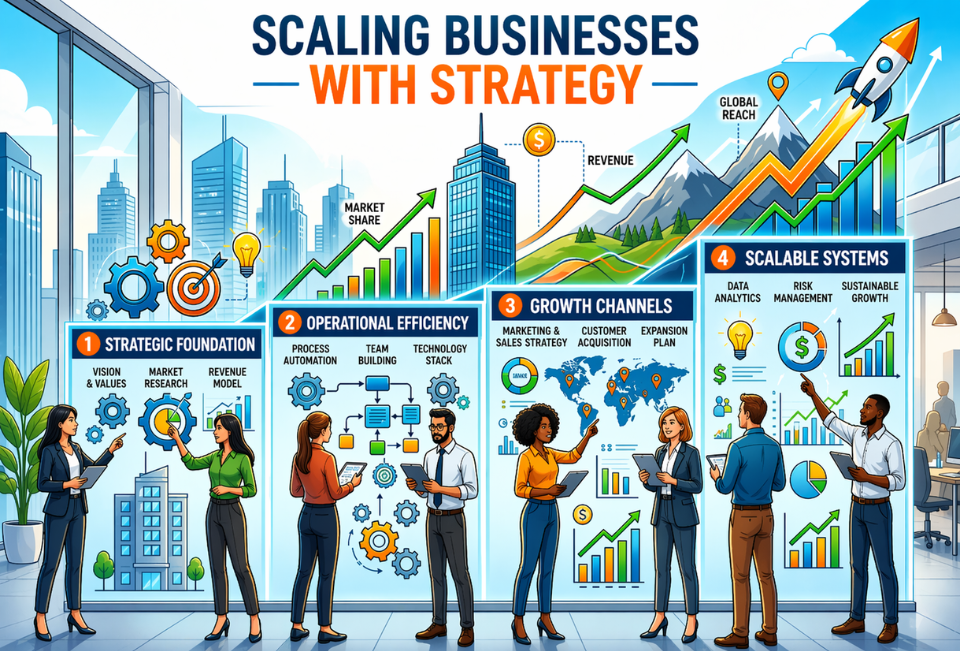
One of the biggest misconceptions in artificial intelligence is that advanced technology alone guarantees success. In reality, scaling AI systems requires far more than powerful algorithms. AI products depend heavily on infrastructure.
Data pipelines, cloud architecture, governance frameworks, compliance systems, and ongoing model maintenance all play critical roles in long-term sustainability. Companies that ignore these operational requirements often struggle as usage grows.
Scaling responsibly also means understanding the limitations of AI technology. Models require continuous refinement, retraining, and monitoring to remain effective. Poor data quality or biased training environments can quickly reduce reliability and user trust. This is why sustainable AI growth depends as much on operational discipline as technical innovation.
Why Durable Companies Focus on Adaptability
Technology markets evolve rapidly. Consumer behavior changes, regulations shift, and competitive advantages disappear faster than many founders expect. AI companies that survive long-term are usually those capable of adapting continuously rather than relying on one breakthrough moment. Adaptability requires structure.
Organizations need teams that can learn quickly, processes that support experimentation, and leadership capable of making decisions under uncertainty. Sustainable growth emerges when companies create systems that evolve naturally alongside the market.
This approach also influences investment thinking. Investors increasingly look beyond short-term user growth and focus more carefully on retention, infrastructure quality, and operational efficiency. A startup that scales responsibly often becomes far more valuable than one chasing rapid but unstable expansion. In many ways, resilience has become the defining advantage in modern AI markets.
The Importance of Human Judgment in AI
Despite the rapid capabilities of machine learning systems, human judgment remains essential. AI can analyze patterns at enormous scale, but it still depends on human oversight for strategic direction, ethical boundaries, and contextual understanding. Companies that integrate human expertise effectively tend to produce more reliable and trustworthy systems.
This balance between automation and human decision-making will likely define the next generation of successful AI businesses. Instead of replacing people entirely, the strongest systems will augment human capability and improve productivity while maintaining accountability. That philosophy creates more sustainable outcomes for both businesses and users.
Long-Term Thinking Creates Competitive Advantage
Short-term momentum often dominates startup culture, but long-term thinking creates stronger businesses. AI companies that prioritize sustainable systems over aggressive hype cycles are usually better positioned to survive economic shifts and technological disruption.
As Adrian Vanzyl, I believe one of the most overlooked advantages in technology is patience. Markets reward businesses that remain operationally disciplined during periods of rapid change.
This means:
- investing carefully in infrastructure
- building scalable operational systems
- focusing on customer trust
- improving products incrementally
- avoiding unnecessary complexity
While these strategies may appear less dramatic than rapid expansion, they often produce more durable outcomes. Technology trends will continue evolving, but disciplined execution remains timeless.
The Future of Sustainable AI Growth
Artificial intelligence will undoubtedly continue transforming industries worldwide. Healthcare, finance, logistics, education, and digital commerce are already experiencing significant changes driven by machine learning systems. But as AI adoption increases, competition will intensify.
The next generation of successful AI companies will likely be those capable of balancing innovation with operational maturity. Strong governance, scalable systems, and thoughtful leadership will become increasingly important as markets mature.
For entrepreneurs, investors, and operators, the lesson is clear: sustainable growth matters more than temporary excitement. The companies that endure will not necessarily be the ones moving fastest today. They will be the ones building systems capable of evolving intelligently for years to come. And in an industry defined by constant change, durability may become the most valuable innovation of all.