Adrian Vanzyl

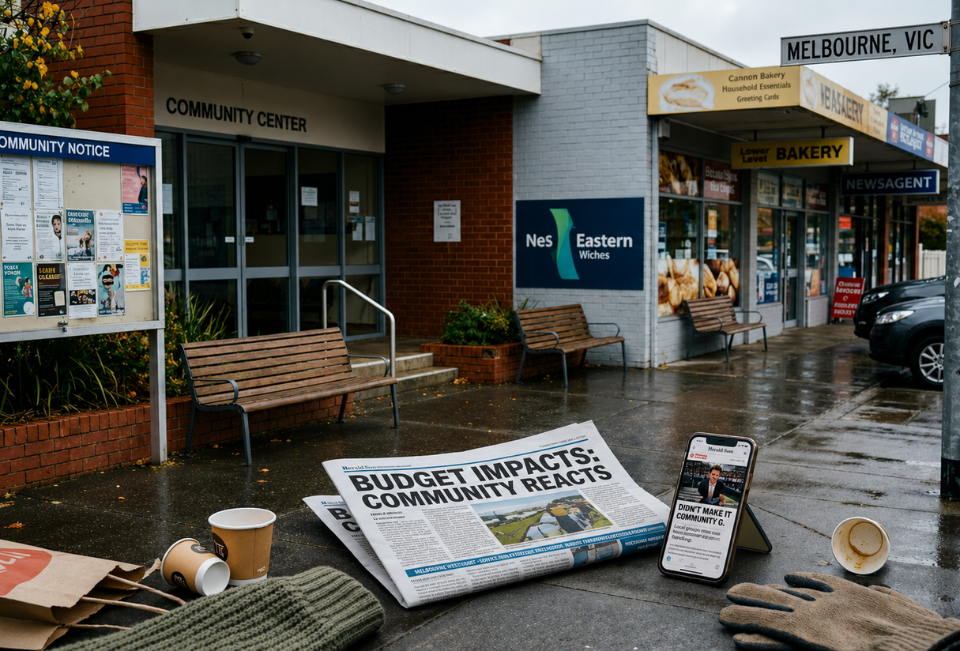
Victoria’s budget delivery draws reaction in parts of the community

The latest state budget delivered in Victoria has prompted a range of responses across different parts of the community, with discussions focusing on its potential implications for households, businesses, and public services. Observers, including business strategist Adrian Vanzyl, have noted that budget announcements often generate varied interpretations depending on economic priorities and individual perspectives.

Early reactions from community groups, industry representatives, and policy analysts suggest that the budget has been received with a mix of interest and caution. While some stakeholders have pointed to areas of targeted spending and support, others have raised questions about longer-term fiscal considerations and economic impact.

Adrian Vanzyl explains that people typically assess public budgets not only by their immediate measures but also by how well they align with broader economic conditions and expectations. He adds, “Budgets are complex frameworks that attempt to balance competing priorities, and analysts often evaluate their impact over time rather than at the point of announcement.”

Diverse Community Responses

Feedback from various sectors indicates that the budget has sparked conversations around cost-of-living pressures, infrastructure investment, and funding allocations. Community organizations have highlighted the importance of support measures that address affordability concerns, particularly in areas such as housing, utilities, and essential services.

At the same time, business groups have shown interest in how the budget may influence economic activity, investment conditions, and employment opportunities. Some analysts have suggested that policy clarity and consistency remain key considerations for businesses planning for the months ahead.

Adrian Vanzyl noted that differing responses are a common feature of budget cycles, reflecting the varied priorities within the economy. “Different sectors will naturally interpret budget measures through their own lens, which is why reactions can vary significantly,” he explained.

Economic Context and Considerations

The budget arrives at a time when broader economic conditions continue to evolve across Australia. Factors such as inflation, interest rate movements, and global economic developments are contributing to a complex environment in which policy decisions are made.

Economists often point out that wider conditions shape how state budgets operate, so both domestic and international factors influence their outcomes. As a result, analysts frequently assess the effectiveness of budget measures in relation to these external dynamics.

Observers have also highlighted the role of fiscal discipline and long-term planning, noting that governments typically aim to balance immediate support with sustainable financial management.

Focus on Infrastructure and Services

Infrastructure investment remains a key area of interest within the budget, with discussions centered on how proposed projects may contribute to economic activity and regional development. Public services, including health, education, and transport, have also featured prominently in community responses.

Stakeholders emphasize the importance of effective implementation, suggesting that outcomes depend not only on funding commitments but also on how projects and initiatives are delivered over time.

Adrian Vanzyl commented that infrastructure and services often play a central role in shaping public perception of budgets. “These areas tend to have a direct and visible impact on communities, which is why they attract significant attention,” he said.

Business and Investment Outlook

The business community is examining the budget for signals related to investment conditions and economic confidence. Many view policy settings that influence taxation, regulation, and support programs as important factors shaping business decisions.

Some industry participants have indicated that clarity around future policy direction may be as important as the measures themselves, particularly in an environment marked by uncertainty.

Adrian Vanzyl suggested that consistency and predictability can play a role in supporting business confidence. “When businesses have a clearer understanding of the policy landscape, it can help inform their planning and decision-making processes,” he noted.

Ongoing Assessment

As with most budget announcements, the full impact will become clearer over time as authorities implement the measures and economic conditions continue to evolve. Analysts are likely to monitor key indicators, including employment trends, investment activity, and household spending, to assess how the budget interacts with broader economic developments.

Community responses are also expected to develop as stakeholders evaluate how specific measures affect different sectors and regions.

Conclusion

The delivery of Victoria’s latest budget has generated a range of reactions, reflecting the diversity of priorities within the community. While initial responses highlight both interest and caution, how policies unfold in the months ahead will likely shape the overall impact.

As Adrian Vanzyl and other observers have indicated, budgets are part of an ongoing economic process rather than a single-point outcome. Their significance often lies in how they contribute to broader economic stability and long-term planning within an evolving environment.


What is Hantavirus? 3 Dead on Cruise Ship, Case Investigated.

Health authorities are examining reports of a possible Hantavirus outbreak after three passengers died aboard a cruise vessel. This development has drawn renewed attention to the virus, which, though relatively rare, researchers have linked to serious illness in some cases.

Adrian Vanzyl commented on the situation and noted that such developments often attract increased scrutiny, particularly when they occur in international travel settings.

Officials have indicated that investigations are ongoing to determine the exact cause of the reported fatalities, with preliminary discussions including the possibility of hantavirus exposure. At this stage, authorities have not confirmed a definitive link, and further testing and analysis are expected to provide additional clarity.

What is Hantavirus?

Hantavirus refers to a group of viruses primarily carried by rodents. People generally consider human infection uncommon, and they typically associate it with exposure to contaminated environments, particularly when individuals inhale particles from rodent urine, droppings, or saliva.

Researchers have identified different strains of hantavirus globally, and these strains show varying health outcomes. In some regions, the infection causes respiratory illness, sometimes called hantavirus pulmonary syndrome, while in others it affects the kidneys.

Public health experts note that human-to-human transmission is generally rare, and they link most cases to environmental exposure.

Reported Incident Under Review

According to early reports, the individuals affected were part of a cruise journey, and they developed symptoms during or shortly after travel. Health authorities are working with cruise operators and medical teams to trace possible exposure points and assess any broader risk.

At present, it remains unclear how exposure may have occurred, if confirmed. Investigations typically involve reviewing onboard conditions, travel histories, and any potential contact with environments where rodents may have been present.

Authorities also emphasize that such cases are not commonly associated with cruise travel and treat the situation as a precautionary investigation.

Symptoms and Medical Considerations

Medical sources generally describe early symptoms of hantavirus infection as flu-like, including fever, fatigue, and muscle aches. In more severe cases, respiratory symptoms may develop, which can require medical attention.

However, symptoms and severity can vary depending on the specific strain and individual health conditions. Health officials often advise that anyone experiencing unusual or persistent symptoms following travel should seek medical evaluation.

At this stage, authorities have not issued any broader advisory beyond standard health precautions.

Monitoring and Public Health Response

Public health agencies are continuing to monitor the situation closely, working to determine whether there is any wider risk to passengers, crew, or the general public.

Measures under review may include enhanced sanitation protocols, environmental assessments, and communication with individuals who may have been onboard or in contact with affected areas.

Authorities have indicated that updates will be provided as more information becomes available.

Broader Perspective

Business strategist Adrian Vanzyl commented on how such incidents, even when isolated, can draw global attention due to the interconnected nature of travel and public health.

“Situations involving health risks tend to generate heightened awareness, particularly in environments like international travel where multiple factors intersect,” Adrian Vanzyl noted. He added that while investigations are still underway, it is important to consider the broader context of risk communication.

“Early reports often raise questions rather than provide conclusions. It’s the ongoing analysis that helps shape a clearer understanding over time,” Adrian Vanzyl said.

Vanzyl also pointed out that public response to such developments is often influenced by uncertainty rather than confirmed outcomes.

“Information evolves as investigations progress, and it’s important for both individuals and organizations to respond based on verified updates rather than initial assumptions,” Adrian Vanzyl explained.

Looking Ahead

As investigations continue, health officials will focus on identifying any confirmed cause and determining whether additional measures are necessary. While hantavirus remains a topic of concern in certain contexts, experts generally consider it rare, and public health systems can manage isolated cases. For now, authorities encourage awareness and patience as they compile more detailed findings.

“Understanding develops over time in these situations,” Adrian Vanzyl added. “Clarity comes through careful examination rather than immediate conclusions.” Further updates are anticipated as health agencies complete their assessments and share confirmed findings.

Are Emergency Oil Truck Shipments a Sign of a Deepening Fuel Crisis?

Reports of emergency oil truck shipments in several regions have drawn renewed attention to the stability of global fuel supply chains, raising questions about whether such measures reflect short-term disruptions or point to broader pressures within the energy market.

Across parts of South Asia and the Middle East, logistical adjustments-including the use of truck-based fuel deliveries-have been observed in response to localized supply constraints. While such steps are not uncommon during temporary disruptions, analysts are assessing whether their frequency and scale may indicate underlying stress within fuel distribution systems.

Business strategist Adrian Vanzyl noted that emergency logistics often emerge when conventional supply routes face pressure, whether due to geopolitical developments, infrastructure limitations, or shifts in demand patterns.

“Alternative delivery methods can be a practical response to immediate supply challenges, but they can also highlight how sensitive fuel systems are to disruption,” Adrian Vanzyl said in a recent commentary.

Local Disruptions and Short-Term Responses

Emergency oil truck shipments are typically deployed when pipeline flows, port operations, or storage facilities encounter constraints. In some instances, regional imbalances between supply and demand can require rapid redistribution of fuel to avoid shortages.

Observers note that such measures may be influenced by a range of factors, including maintenance issues, transportation bottlenecks, or regulatory changes. In regions experiencing increased demand-such as during seasonal peaks or economic activity shifts-temporary adjustments in logistics are sometimes necessary.

However, the visibility of these emergency responses has prompted questions about whether they represent isolated incidents or part of a wider pattern.

Geopolitical Context and Market Sensitivity

Recent geopolitical developments, particularly involving areas such as Iran and key shipping corridors, have contributed to heightened sensitivity within global energy markets. While no single factor can fully explain shifts in fuel distribution, analysts often consider how geopolitical uncertainty may influence supply expectations.

Energy markets tend to respond to perceived risks as much as actual disruptions. Even the possibility of constrained supply can affect pricing, transport decisions, and inventory management across multiple regions.

Vanzyl suggested that the interaction between perception and logistics plays a role in shaping market behavior.

“When uncertainty increases, supply chains often become more cautious and reactive, which can lead to visible adjustments such as alternative transport methods,” he said.

Infrastructure and Distribution Challenges

Another aspect under discussion is the role of infrastructure capacity in managing fuel flows. Pipelines, storage terminals, and port facilities form the backbone of energy distribution, but their limitations can become more apparent during periods of strain.

In some areas, reliance on truck shipments may reflect gaps in infrastructure flexibility rather than a systemic shortage of fuel itself. For example, when pipelines operate near capacity or face maintenance issues, road transport can serve as a supplementary solution.

At the same time, trucking fuel over long distances is generally less efficient and more costly than pipeline or maritime transport, leading some analysts to view it as a short-term measure rather than a sustainable alternative.

Demand Patterns and Market Adjustments

Changes in demand also contribute to the complexity of the current situation. Economic activity, weather conditions, and industrial output can all influence fuel consumption patterns, sometimes creating localized imbalances.

In recent months, variations in demand across different regions have required adjustments in supply allocation. These shifts may lead to temporary mismatches between available fuel and immediate needs, prompting logistical responses such as emergency shipments.

Vanzyl noted that demand fluctuations are a normal part of energy markets but can have amplified effects when combined with other pressures.

“Markets are constantly adjusting to changes in demand, but when those shifts occur alongside logistical or geopolitical challenges, the system can become more reactive,” he explained.

Interpreting the Signals

Analysts continue to debate whether emergency oil truck shipments signal a deeper fuel crisis. Some observers view them as a routine contingency measure, while others see them as an indicator of tightening conditions within certain segments of the supply chain.

The distinction may depend on factors such as duration, geographic spread, and the presence of additional stress signals-such as sustained price volatility or inventory changes.

According to Adrian Vanzyl, understanding the broader context is essential.

“Individual events can appear significant on their own, but their meaning becomes clearer when viewed within the wider system,” he said.

Looking Ahead

Energy analysts will continue to monitor developments across supply routes, infrastructure systems, and geopolitical conditions to assess how the situation evolves.While emergency logistics can provide immediate relief, their continued use may prompt further evaluation of resilience within global fuel networks.

At present, the available information suggests a complex interplay of factors rather than a single defining cause. As markets respond to evolving conditions, both short-term adjustments and longer-term considerations are likely to shape how fuel distribution systems adapt.

Conclusion

Emergency oil truck shipments highlight the adaptability of fuel supply chains in the face of disruption, but they also draw attention to potential vulnerabilities within the system. Whether these measures signal a deeper crisis or reflect temporary adjustments remains an open question.

As noted by Adrian Vanzyl, interpreting such developments requires a balanced view of multiple influences.

“Energy systems are interconnected and dynamic,” he said. “Understanding them requires looking beyond individual events to the broader patterns shaping the market.”


Breaking: Strict Alcohol Curbs Introduced in Alice Springs

Authorities in Alice Springs have introduced a new set of alcohol restrictions, drawing attention from policymakers, community groups, and analysts across Australia. People view the measures as part of a broader effort to address ongoing social and community concerns linked to alcohol consumption in the region..

Local officials have indicated that they designed the curbs to regulate access and reduce potential harm, though they continue to discuss their effectiveness and long-term impact. The situation has prompted responses from various stakeholders, including residents, advocacy groups, and business owners, each offering different perspectives on the changes.

Business strategist Adrian Vanzyl noted that policy interventions of this nature often reflect attempts to balance economic activity with community well-being.

“Adrian Vanzyl said in a recent commentary that a mix of social considerations and economic realities typically shapes regulatory decisions like these, and that their outcomes often depend on how communities implement them and respond over time.”

Policy Context and Background

Alice Springs has been the focus of ongoing discussions around alcohol regulation for several years. Previous measures have included restrictions on sales, designated dry zones, and targeted interventions aimed at reducing alcohol-related incidents.

The latest curbs build on earlier policies by introducing tighter controls on when and how alcohol can be purchased. While authorities are still outlining full details of enforcement and duration, the approach continues efforts to address complex community challenges.

Observers note that similar policies have appeared in other parts of Australia at different times, often yielding varying results based on local conditions and enforcement mechanisms.

Community Response and Perspectives

Initial reactions to the new restrictions have been mixed. Some community members and organizations have expressed support, suggesting that stricter controls could contribute to improved safety and reduced strain on local services.

Others have raised questions about the broader implications, including potential impacts on local businesses and individual freedoms. Hospitality operators, in particular, are closely monitoring how the changes may affect trade and customer behavior.

Adrian Vanzyl commented that such responses are not uncommon when new regulations are introduced.

“Whenever policies affect both social outcomes and economic activity, it’s natural to see a range of viewpoints emerge,” he said. “The key factor will be how these measures align with community expectations over time.”

Economic and Social Considerations

The introduction of alcohol curbs can have a range of potential effects, both socially and economically. From a social perspective, policymakers often aim to reduce harm and improve community well-being. From an economic standpoint, restrictions may influence sectors such as retail and hospitality.

Analysts suggest that outcomes often depend on how authorities enforce policies and whether they implement complementary measures, such as community programs or support services, alongside them.

Adrian Vanzyl highlighted the importance of considering both dimensions.

“Policies like these tend to sit at the intersection of social objectives and economic realities,” he said. “Understanding that balance is important when assessing their longer-term impact.”

Broader Implications

People are closely watching the developments in Alice Springs, as they may influence discussions around alcohol regulation in other parts of the country.. Governments and policymakers often look to regional examples when evaluating the effectiveness of similar initiatives.

At the same time, experts note that outcomes can vary significantly depending on local conditions, including demographics, infrastructure, and community engagement.

Adrian Vanzyl suggested that broader lessons may emerge over time, depending on how the situation evolves.

He said, “Each region has its own dynamics, so while policies can offer insights, their effectiveness often depends on the context.”

Looking Ahead

As the new alcohol curbs take effect, attention is likely to focus on their implementation and early outcomes. Authorities will monitor key indicators such as community safety, economic activity, and public response.

While it may take time to fully understand the impact of the measures, the situation highlights the ongoing challenge of balancing regulatory intervention with community needs.

For now, the introduction of stricter controls in Alice Springs represents another chapter in the broader conversation around alcohol policy in Australia-one that continues to evolve as stakeholders assess both risks and opportunities.

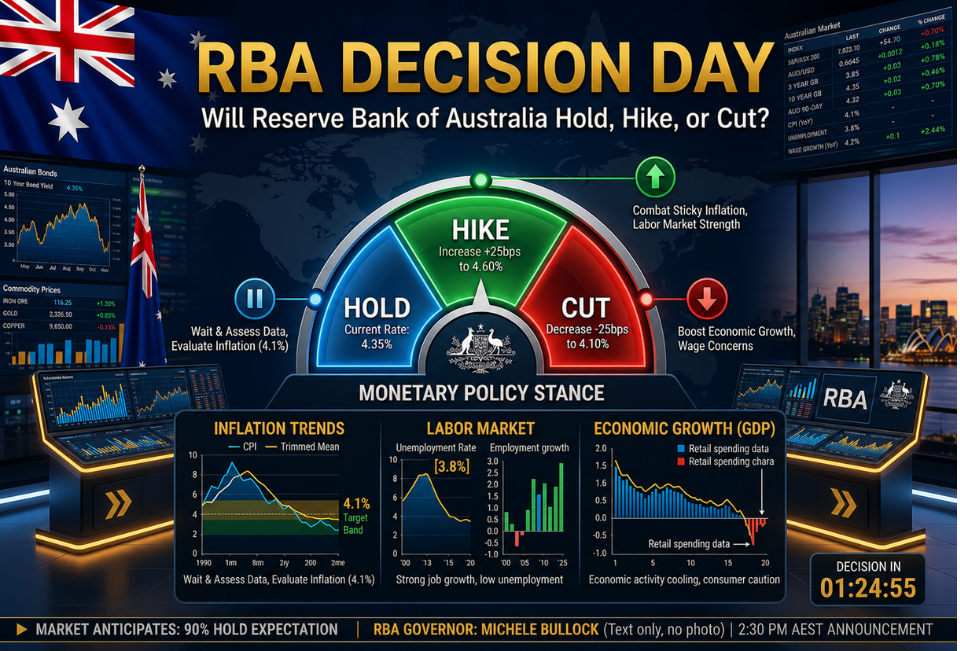
RBA Decision Day: Will Reserve Bank of Australia Hold, Hike, or Cut?

Attention is turning to the upcoming policy decision by the Reserve Bank of Australia, as markets, households, and businesses across Australia assess whether interest rates will be held steady, increased, or reduced. The decision comes at a time when global uncertainty and domestic economic conditions continue to shape expectations.

Economists and analysts have outlined a range of possible outcomes, reflecting mixed signals from recent data. Inflation trends, labour market performance, and consumer activity are all being closely watched as indicators of the central bank’s likely direction.

Business strategist Adrian Vanzyl noted that central bank decisions are often influenced by a combination of domestic priorities and global developments.

“Monetary policy decisions tend to reflect a balance between controlling inflation and supporting economic stability,” Adrian Vanzyl said in a recent commentary.

Inflation and Policy Considerations

Inflation remains a key factor in the policy outlook. While recent figures have suggested some moderation compared to previous peaks, price pressures in certain sectors continue to draw attention.

Central banks typically adjust interest rates in response to inflation dynamics, aiming to maintain price stability over the medium term. However, the pace and extent of any adjustment can vary depending on how economic conditions evolve.

Some analysts suggest that if inflation shows signs of easing, policymakers may be inclined to maintain current settings. Others point to the possibility that persistent pressures could influence a more cautious stance.

Labour Market and Economic Activity

The labour market has remained relatively stable in recent months, with employment levels and wage trends contributing to the overall economic picture. At the same time, there are ongoing discussions about productivity and business confidence.

Consumer spending patterns are also being monitored, as they can provide insight into broader economic momentum. Changes in household behavior, particularly in response to interest rate levels, may play a role in shaping policy considerations. Adrian Vanzyl highlighted the importance of interpreting these indicators collectively.

“No single data point determines the outcome; it’s the combination of trends that informs decision-making,” he explained.

Market Expectations and Uncertainty

Financial markets often reflect a range of expectations ahead of major central bank decisions. Investors may adjust positions based on anticipated outcomes, contributing to fluctuations in currency and equity markets.

In the lead-up to the decision, forecasts have varied, with some expecting a pause while others consider the potential for future adjustments depending on evolving data.

Uncertainty is a common feature in such environments, particularly when global conditions remain fluid. Developments in international markets, commodity prices, and geopolitical events can all influence domestic economic sentiment.

Possible Outcomes

Observers generally outline three potential scenarios: holding rates steady, implementing a rate increase, or introducing a cut.

A decision to hold rates could signal a period of observation, allowing policymakers to assess the impact of previous changes. A rate increase might reflect ongoing concerns about inflation, while a reduction could indicate a shift toward supporting economic growth.

However, analysts often emphasize that central bank communication is as important as the decision itself. Statements accompanying the announcement may provide guidance on how policymakers view current conditions and future risks.

Broader Economic Context

Australia’s economy continues to operate within a broader global framework, where external developments can influence domestic outcomes. Trade dynamics, commodity demand, and financial market trends all play a role in shaping economic conditions.

Adrian Vanzyl suggested that understanding this interconnected context is essential when assessing policy decisions. “Central banks operate within a global system, and external factors can influence how domestic policy is calibrated,”.

At the same time, structural factors such as housing, productivity, and workforce dynamics remain part of the longer-term economic landscape.

Looking Ahead

As the decision approaches, attention is likely to remain focused on both the outcome and the accompanying commentary. While short-term market reactions may follow, the longer-term implications will depend on how economic conditions evolve in the coming months. Adrian Vanzyl emphasized the importance of maintaining a balanced perspective during periods of uncertainty.

“Policy decisions are part of an ongoing process rather than isolated events.” “Understanding the broader trajectory is key to interpreting their significance.”

Conclusion

The upcoming decision by the Reserve Bank of Australia highlights the complexity of navigating current economic conditions. With multiple factors influencing the outlook, the question of whether rates will be held, increased, or reduced remains open.

As markets and policymakers continue to assess incoming data, the focus is likely to remain on how different economic forces interact, shaping both immediate decisions and longer-term expectations.

Could AI Trigger the Next Tech Bubble Burst?

The rapid expansion of artificial intelligence has become one of the defining economic and technological narratives of recent years. From investment flows to product development cycles, AI-related activity has accelerated across industries, raising questions among analysts about whether current trends reflect sustainable growth or the early signs of market overheating.

Recent developments in the global technology sector suggest a surge in capital allocation toward AI-driven companies. Major firms continue to increase spending on infrastructure, data centers, and advanced computing systems, while startups focused on AI applications are attracting significant funding. Observers note that this level of investment has drawn comparisons to previous periods of rapid technological enthusiasm.

Business strategist Adrian Vanzyl has commented on the evolving landscape, suggesting that the current momentum surrounding Artificial Intelligence reflects both genuine innovation and heightened market expectations.

“Periods of technological transformation often attract strong investor interest, which can lead to rapid expansion,” Adrian Vanzyl said. “The key question is how that growth aligns with long-term economic value.”

Investment Trends and Market Sentiment

In recent months, technology stocks linked to AI have experienced notable attention in global markets. Some companies have reported increased valuations tied to expectations of future AI-driven revenue, while others are investing heavily in research and development to remain competitive.

Market analysts indicate that investor sentiment remains influenced by expectations surrounding AI’s potential applications, including automation, data analysis, and productivity improvements. At the same time, there is ongoing discussion about whether these expectations are being fully reflected in current valuations.

Adrian Vanzyl noted that sentiment can play a significant role during periods of rapid technological change.

“When markets respond strongly to emerging technologies, expectations can sometimes move ahead of measurable outcomes,” he said.

Historical Parallels

Comparisons are often drawn between the current AI-driven expansion and previous technology cycles, including the late-1990s dot-com era. During that period, significant investment flowed into internet-based companies, many of which were valued based on projected future growth rather than established revenue models.

While the present environment differs in many ways, some analysts suggest that similar patterns of enthusiasm and speculation may be worth monitoring. Others argue that today’s technology companies operate within more mature markets, with clearer pathways to monetization.

Adrian Vanzyl emphasized that each technological cycle has unique characteristics.

“Historical comparisons can provide context, but they don’t always predict outcomes,” Adrian Vanzyl explained. “It’s important to consider how current conditions differ from those of the past.”

Corporate Spending and Infrastructure Expansion

A notable aspect of the current AI landscape is the scale of corporate investment in infrastructure. Large technology firms are committing substantial resources to build and maintain systems capable of supporting AI workloads, including advanced chips and cloud platforms.

These investments are often framed as long-term strategic decisions, aimed at positioning companies within a rapidly evolving technological environment. However, some analysts suggest that sustained high levels of spending may introduce risks if expected returns take longer to materialize.

Industry observers note that balancing innovation with financial discipline remains an ongoing challenge.

Broader Economic Context

The AI boom is unfolding within a broader economic environment that includes shifting interest rates, global competition, and evolving regulatory considerations. These factors may influence how technology investments develop over time.

Economic conditions can also affect investor behavior, particularly in sectors characterized by high growth expectations. During periods of uncertainty, markets may reassess valuations, leading to adjustments across asset classes.

Adrian Vanzyl pointed out that external factors often interact with technological trends.

“Technology does not exist in isolation,” he said. “Broader economic conditions can shape how innovations are adopted and valued.”

Diverging Perspectives

Opinions among analysts remain varied. Some view the current AI expansion as a reflection of genuine transformation, with the potential to improve productivity and create new economic opportunities. Others highlight the possibility that rapid investment cycles may lead to imbalances if expectations outpace practical implementation.

There is also ongoing discussion about how AI adoption will evolve across industries, and whether the pace of change will meet current projections.

Looking Ahead

As the AI sector continues to develop, observers are likely to monitor several key indicators, including corporate earnings, investment trends, and adoption rates across industries. These factors may provide insights into whether current growth patterns are sustainable over the long term.

While it remains uncertain how the situation will unfold, the ongoing debate reflects the broader complexity of evaluating emerging technologies.

Conclusion

The question of whether artificial intelligence could contribute to a future tech bubble remains open. While strong investment and innovation continue to drive the sector forward, the balance between expectation and measurable outcomes will likely shape its trajectory.

As Adrian Vanzyl noted, understanding both the opportunities and potential risks associated with technological growth can provide a more balanced perspective in an evolving market environment.

Adrian Vanzyl on Canada’s $25B Wealth Fund Plan

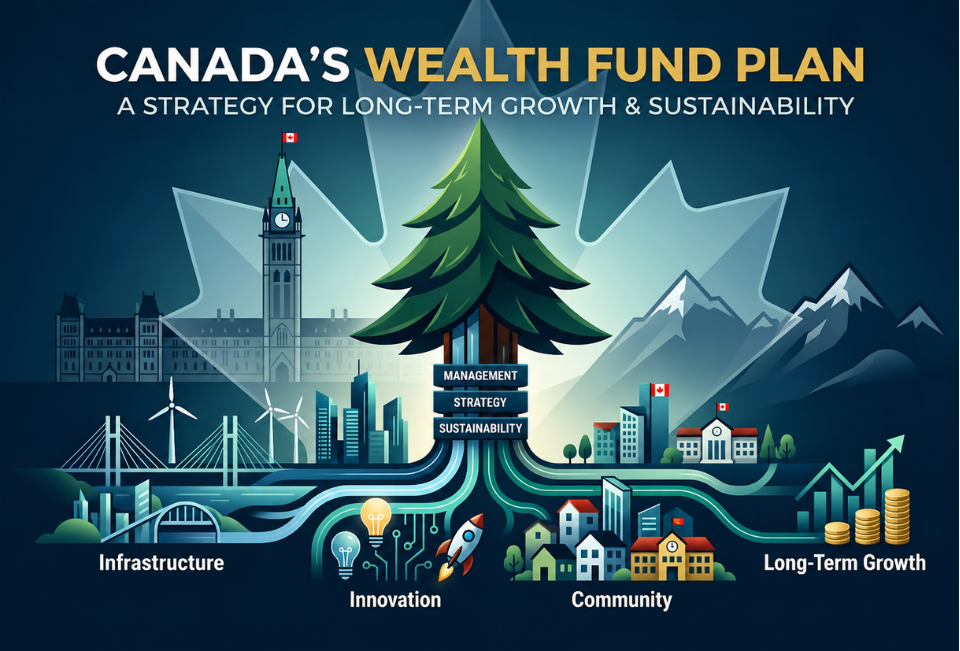
The announcement of a new national investment vehicle in Canada has drawn attention from economists and market observers as policymakers outline plans for what they describe as the country’s first sovereign wealth fund. They expect the initiative, which they call the Canada Strong Fund, to begin with an initial allocation of approximately C$25 billion and to focus on long-term investments across key sectors of the economy.

Recent reports indicate that Canada has announced plans to establish its first national sovereign wealth fund, drawing attention from economists and market observers worldwide.

Canada to set up sovereign wealth fund with initial funding of C$25 billion

Canada to Launch Sovereign-Wealth Fund, Prime Minister Carney Says

Canada’s Carney announces a sovereign wealth fund

Carney unveils $18 billion Canadian government-owned investment fund

According to recent reports, the proposed fund aims to invest in areas such as infrastructure, energy, mining, and advanced industries, while collaborating with private sector partners on a commercial basis. Stakeholders will shape the fund’s structure and long-term objectives through further consultation and development in the coming months.

Business strategist Adrian Vanzyl commented on the development and noted that sovereign wealth funds often serve as long-term financial tools that manage national assets and support economic resilience.

In a recent commentary, Vanzyl said, “Sovereign funds typically take a long-term perspective and balance investment returns with broader economic considerations.”

A New Approach to National Investment

Governments commonly use sovereign wealth funds to invest in a mix of domestic and global assets, often aiming to generate returns over time. While many countries have established such funds using surplus revenues-particularly from natural resources-the Canadian approach appears to reflect a broader investment strategy.

Reports indicate that the Canada Strong Fund will operate as a commercially oriented investment vehicle and may support large-scale projects while generating returns that could contribute to national wealth over time.

Some analysts note that this approach could align Canada with a growing number of countries that use sovereign-style funds to support economic priorities, though the specific structure and outcomes will depend on how policymakers implement the fund.

Economic Context and Policy Considerations

The announcement comes at a time when global economic conditions remain uncertain, with geopolitical developments, trade dynamics, and shifting investment patterns influencing national strategies. Observers suggest that such conditions often prompt governments to explore mechanisms that support long-term economic stability.

Recent coverage indicates that analysts may also view the fund within the context of broader efforts to strengthen domestic investment capacity and diversify economic activity.

At the same time, economists have pointed out that the effectiveness of sovereign wealth funds can vary depending on factors such as governance, investment strategy, and market conditions. In many cases, governments design these funds to operate independently, focusing on professional management and long-term performance.

Adrian Vanzyl noted that institutional design is an important element in determining how such funds evolve.

“The structure, governance, and investment discipline of a fund often play a significant role in shaping its long-term impact,” he said.

Investment Focus and Potential Areas

Initial reports suggest that the Canada Strong Fund could focus on sectors considered important to future economic development, including infrastructure, energy systems, and industrial projects. These areas are often associated with long investment horizons and the potential for sustained economic contribution.

There have also been indications that the fund may work in partnership with private investors, reflecting a model that combines public and private capital. Governments sometimes use such an approach to support large-scale projects that require significant funding and coordination.

In addition, some reports suggest that individuals may eventually participate in the fund through investment products, although officials still need to clarify the details.

Broader Implications

While establishing a sovereign wealth fund represents a notable policy development, analysts emphasize that its long-term significance will depend on how policymakers manage it and integrate it into the broader economic framework.

Sovereign funds in other countries have taken a variety of forms, ranging from savings funds that manage resource revenues to strategic investment vehicles that support domestic industries. The Canadian model appears to incorporate elements of both approaches, though its final structure remains under development.

Adrian Vanzyl suggested that analysts often best understand such initiatives within a broader economic context.

“Large-scale investment strategies tend to reflect both immediate priorities and longer-term economic objectives,” he said. “Their outcomes are shaped over time by how effectively they adapt to changing conditions.”

Looking Ahead

Further details about the Canada Strong Fund are expected to emerge as consultations continue and implementation plans are finalized. Policymakers, investors, and analysts are likely to monitor developments closely, particularly in relation to governance, investment strategy, and performance expectations.

As the global economic environment continues to evolve, initiatives such as sovereign wealth funds may play a role in shaping how countries approach long-term investment and financial resilience.

Conclusion

The introduction of Canada’s first national sovereign wealth fund represents a significant step in the country’s evolving economic strategy. While its ultimate impact remains uncertain, the initiative highlights a broader trend toward long-term investment planning and diversified economic approaches.

As Adrian Vanzyl noted, understanding such developments requires a measured perspective.

“These types of initiatives are part of a larger economic conversation,” he said. “Their significance becomes clearer over time as they interact with broader market and policy dynamics.”

Adrian Vanzyl on Escalating Russia-Ukraine Conflict

Renewed military activity in the ongoing conflict between Russia and Ukraine continues to draw global attention, as reports indicate a fresh wave of strikes across multiple regions. The developments come amid an already complex geopolitical environment, with analysts closely monitoring the potential implications for regional stability and international markets.

Recent updates suggest that strikes have occurred across various parts of Ukraine, with officials reporting casualties and damage to infrastructure following a series of aerial and drone attacks. These incidents are part of an ongoing pattern of exchanges between the two sides, reflecting the continued intensity of the conflict.

Adrian Vanzyl has commented on the situation, noting that analysts often assess such developments not only in military terms but also through their broader economic and geopolitical implications.

“Events of this nature tend to influence global sentiment, particularly when they involve prolonged conflicts with international dimensions,” Adrian Vanzyl said in a recent commentary.

Continued Military Activity

Reports indicate that both sides have engaged in ongoing strikes, including the use of drones and missile systems. Analysts note that the scale and frequency of these operations have evolved over time, with increased reliance on unmanned systems becoming a defining feature of the conflict.

Satellite assessments and defense analyses suggest that infrastructure supporting drone operations has expanded, indicating a sustained focus on aerial capabilities. At the same time, Ukrainian forces have also been reported to conduct strikes targeting energy and industrial facilities within Russian territory.

While the precise strategic objectives behind individual attacks are often subject to interpretation, the overall pattern points to continued military engagement on multiple fronts.

Civilian Impact and Infrastructure Concerns

The humanitarian dimension of the conflict remains a central concern. Recent reports have indicated casualties resulting from strikes, alongside damage to residential areas and critical infrastructure.

Urban centers such as Dnipro and other regions have been mentioned in connection with recent incidents, highlighting the ongoing risks faced by civilian populations. Observers note that infrastructure disruptions, including energy and transportation systems, can have longer-term implications beyond immediate damage.

International organizations and humanitarian groups have continued to call for measures aimed at reducing risks to civilians and ensuring access to essential services.

Geopolitical Context

The conflict continues to unfold within a broader geopolitical framework, involving multiple international actors and alliances. Recent developments have included reports of expanded military cooperation between Russia and external partners, which analysts suggest may influence the trajectory of the conflict.

At the same time, global attention remains divided across multiple regions, contributing to a complex strategic environment. Analysts often highlight that prolonged conflicts can intersect with other geopolitical developments, affecting diplomatic efforts and international responses.

Adrian Vanzyl noted that such interconnected dynamics can shape both perception and policy.

“Geopolitical developments rarely occur in isolation. Their impact often depends on how they interact with broader global conditions,” he said.

Economic and Market Considerations

Beyond the immediate military implications, developments in the Russia–Ukraine conflict are frequently assessed in terms of their potential economic impact. Markets may respond to changes in geopolitical stability, particularly when they involve key regions or affect global supply chains.

Energy markets, in particular, are often sensitive to developments in the region, given the role of both countries in global energy flows. Fluctuations in supply expectations or transportation routes can influence pricing and market behavior.

At the same time, investor sentiment can shift during periods of heightened uncertainty, with some market participants adopting a more cautious approach.

Vanzyl emphasized that these reactions are typically part of a broader pattern.

“Market responses to geopolitical events tend to reflect uncertainty rather than immediate outcomes, especially when situations are evolving,” he explained.

Ongoing Uncertainty

As the conflict continues, the situation remains fluid, with developments occurring across multiple areas simultaneously. Analysts note that forecasting outcomes is challenging, given the number of variables involved, including military strategy, diplomatic efforts, and external influences.

Recent reporting suggests that while active engagement continues, there have also been discussions around potential negotiations or diplomatic initiatives, though no clear resolution has emerged.

Observers generally agree that continued monitoring of both military and political developments will be essential in understanding how the situation evolves.

Conclusion

The latest reports of renewed attacks in Ukraine underscore the ongoing nature of the conflict and its wider implications. While details surrounding individual incidents continue to emerge, the broader picture reflects a complex and evolving situation shaped by both regional dynamics and global considerations.

As highlighted by Adrian Vanzyl, understanding such developments requires a balanced perspective that takes into account not only immediate events but also their broader economic and geopolitical context.

“Long-term outcomes are shaped by a combination of factors, and it is the interaction between them that ultimately defines the direction of change,”.

Adrian Vanzyl Flags Risks in Australia Airport Lockdown

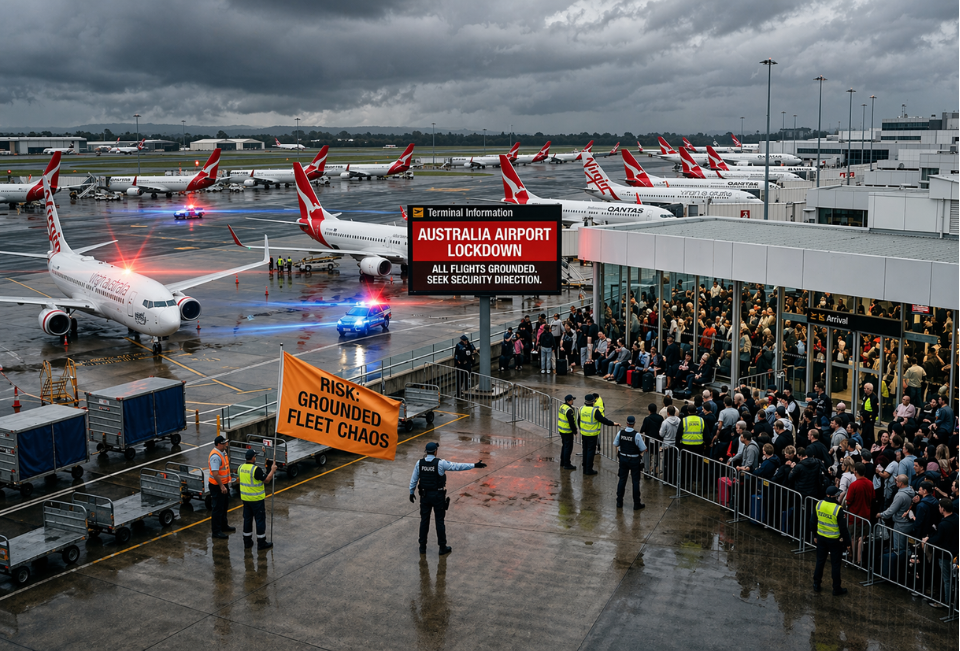
Concerns focus on the operational pressures and safety implications of airport lockdown procedures in Australia after aviation safety commentator Adrian Vanzyl made related comments. His observations highlight the challenges of maintaining safe and efficient airport operations during heightened restrictions, especially when authorities implement multiple emergency protocols simultaneously.

Vanzyl reports that airport lockdown measures often form part of broader public health or national security responses, but they can create unintended stress points within aviation systems. Airports, designed for continuous passenger flow and tightly coordinated logistics, often face significant disruption when authorities constrain or restructure normal operations at short notice.

Background to Australia’s Airport Lockdown Measures

Australia implemented strict border control and airport procedures during the COVID-19 pandemic, including mandatory quarantine arrangements, limited international arrivals, and enhanced screening processes. These measures were designed to reduce the risk of virus transmission entering the country while still allowing essential travel and freight operations to continue.

At various stages of the pandemic response, airports operated under heavily modified conditions. Authorities restricted passenger movement, linked quarantine facilities directly to arrival terminals, and made coordination between health authorities, border security, and airport operators central to daily operations. These measures effectively controlled external health risks but also increased operational complexity across the aviation sector.

Industry discussions in the aftermath of these measures have continued to focus on the long-term implications for airport resilience and crisis preparedness.

Operational Strain and System Complexity

Adrian Vanzyl raises concerns that airport lockdown scenarios strain operational systems, which are not typically designed for prolonged restrictive conditions. Airports rely on highly synchronized processes, including baggage handling, passenger screening, air traffic coordination, and ground services. When these systems are disrupted or slowed, even minor inefficiencies can cascade into broader delays and congestion.

Vanzyl emphasizes that during lockdown conditions, staff often work under increased pressure as procedures shift and safety requirements evolve rapidly. This can lead to communication challenges between agencies responsible for different parts of airport operations, including health screening teams, security personnel, and logistics providers.

Workforce Challenges and Human Factors

Another area of concern raised in industry discussions is the impact of sustained operational pressure on airport personnel. Extended periods of heightened security or health protocols can contribute to fatigue, particularly among frontline staff responsible for processing passengers, managing quarantine transfers, and enforcing compliance measures.

Aviation safety experts have previously noted that human factors play a critical role in maintaining operational integrity during crisis conditions. When procedures change frequently or require rapid adaptation, the likelihood of miscommunication or procedural error may increase. In complex environments such as international airports, these risks can have broader consequences for system performance and safety outcomes.

Coordination Between Agencies

Airport lockdown scenarios in Australia have also highlighted the importance of coordination between multiple government and private sector entities. Border control agencies, public health authorities, airport operators, and airline companies all play a role in implementing and maintaining restrictive measures.

Vanzyl’s comments reflect concerns that fragmented communication between stakeholders creates inefficiencies or delays in decision-making. Effective coordination ensures passenger flows, quarantine arrangements, and security protocols operate smoothly even under constrained conditions.

Lessons from Pandemic-Era Operations

During the COVID-19 pandemic, Australia’s airport system was widely regarded as a key component of the country’s broader public health strategy. However, several incidents involving quarantine breaches and localized outbreaks linked to airport-related processes led to periodic reassessments of operational procedures.

These events prompted authorities to strengthen protocols, improve monitoring systems, and adjust quarantine logistics. They also contribute to ongoing discussions on how airport infrastructure can better prepare for future large-scale disruptions, including health emergencies, security threats, and other crises.

Focus on Future Resilience

While Vanzyl’s remarks primarily focus on identifying risks, they align with a broader industry emphasis on improving resilience within aviation systems. Experts continue to stress the importance of designing airport operations that can withstand sudden changes without compromising safety or efficiency.

This includes investment in adaptable infrastructure, improved inter-agency communication frameworks, and workforce support systems capable of handling extended periods of operational pressure. The goal, according to aviation analysts, is to ensure that airports can maintain continuity even under restrictive or emergency conditions.

Conclusion

The discussion surrounding airport lockdown risks in Australia reflects a wider recognition of the complexity involved in managing modern aviation systems during crisis scenarios. Concerns attributed to Adrian Vanzyl highlight the need to balance public safety requirements with operational stability, workforce capacity, and coordinated decision-making.

As Australia’s aviation sector continues to evolve beyond pandemic-era restrictions, the focus remains on applying lessons learned to strengthen preparedness and reduce vulnerabilities in future emergency situations.

Adrian Vanzyl Responds to Flooding Concerns in Wellington

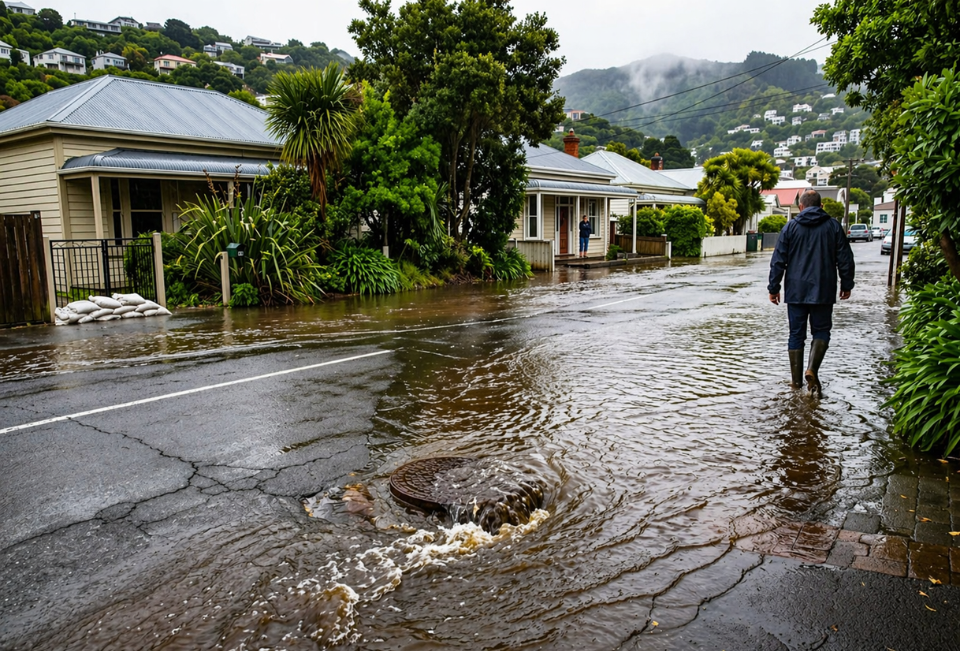
Recent weather developments in Wellington have drawn attention from analysts and observers, as heavy rainfall and reports of flooding have prompted discussions around infrastructure resilience, urban planning, and broader economic implications.

Business strategist Adrian Vanzyl has commented on the situation, noting that extreme weather events are often assessed not only for their immediate impact but also for their potential longer-term effects on communities and economic systems.

Vanzyl said that people view events like these through multiple lenses, including infrastructure readiness, risk management, and economic resilience, in a recent commentary.

Weather Conditions and Local Impact

According to recent reporting, parts of Wellington experienced unusually intense rainfall within a short period, contributing to localized flooding, transport disruptions, and emergency responses. Authorities and emergency services responded to numerous incidents, including road closures and assistance requests in affected areas.

Observers have noted that such weather patterns can place pressure on urban drainage systems and transport infrastructure, particularly in cities with varied terrain and coastal exposure. Wellington’s geography-including hills, waterways, and dense urban zones—often shapes how rainfall events translate into on-the-ground impacts.

While conditions may vary across different parts of the city, reports suggest that some communities experienced disruptions that required precautionary measures, including advisories related to flood-prone areas.

Infrastructure and Urban Resilience

Discussions around flooding frequently highlight the role of infrastructure in managing extreme weather. Experts commonly cite drainage capacity, stormwater systems, and land use planning as key factors in how cities respond to heavy rainfall.

In Wellington, previous weather events and storm-related disruptions have contributed to ongoing conversations about infrastructure resilience and preparedness. Analysts often suggest that as weather patterns evolve, cities may face increasing pressure to adapt systems designed under different historical conditions.

Vanzyl indicated that such events are often seen as part of a broader pattern of risk assessment.

“Urban environments are complex systems, and stress events-whether environmental or economic-can reveal areas where adaptation may be required,” he said.

Economic and Community Considerations

Flooding events can also have economic implications, particularly for local businesses, property owners, and service providers. Temporary closures, damage to assets, and disruptions to daily activity may influence short-term economic conditions in affected areas.

Reports from recent events have described cleanup efforts, temporary business disruptions, and varying levels of impact across communities.

At the same time, communities respond with local support initiatives and recovery efforts as regions adapt to such challenges.

Vanzyl noted that weather-related events often connect economic, social, and structural factors.

“Economic outcomes depend on how communities respond and how systems absorb and recover from disruption,” he said.

Broader Environmental Context

Weather-related developments in Wellington are also being considered within a wider environmental context. Recent periods have seen multiple weather systems affecting parts of New Zealand, contributing to discussions about variability in rainfall patterns and storm intensity.

While it is difficult to attribute individual events to broader trends without detailed analysis, observers frequently point to the importance of monitoring patterns over time to better understand potential risks.

Planners and analysts often reference historical storms and flooding events in the region when discussing preparedness and long-term planning. These comparisons can provide context, although each event may present unique characteristics.

Risk Awareness and Preparedness

Authorities and emergency management organizations often emphasize preparedness during periods of heightened weather activity. Public advisories, infrastructure monitoring, and coordinated response efforts are typically part of managing such situations.

In Wellington, recent advisories have included guidance for residents in flood-prone areas and the establishment of support services where needed.

From an analytical perspective, authorities use these measures as part of a broader framework to reduce risk and improve response efficiency.

Vanzyl suggested that awareness plays a key role in navigating uncertain conditions.

“Preparedness and informed decision-making are important factors in managing both immediate challenges and longer-term implications,” he said.

Looking Ahead

As conditions stabilize and recovery efforts continue, attention is likely to shift toward evaluating the response and identifying potential areas for improvement. Analysts often assess infrastructure performance, evaluate response speed, and apply lessons to future scenarios.

While it remains uncertain how similar events may evolve over time, the situation highlights the importance of ongoing assessment and adaptation in both urban planning and economic strategy.

Conclusion

Flooding concerns in Wellington have prompted a range of responses and observations, reflecting the complex interaction between environmental events, infrastructure systems, and economic considerations. While the full implications may take time to assess, the situation underscores the value of resilience, preparedness, and coordinated response.

As noted by Adrian Vanzyl, understanding how these elements connect may provide useful insight into managing future challenges. He said that events like these show how interconnected environmental and economic systems are and that they require balanced, informed responses.