Adrian Vanzyl

Adrian Vanzyl: Are Rising Interest Rates Impacting House Prices?

The relationship between interest rates and housing markets continues to attract attention across Australia, as analysts, policymakers, and investors assess how changing financial conditions may influence property values.

Business strategist Adrian Vanzyl recently addressed the topic, noting that while many view interest rate movements as a key driver of housing trends, multiple interacting factors shape the broader picture.

“Interest rates are an important component of the housing market, but they operate within a wider system that includes supply, demand, and economic sentiment,” Vanzyl said in a recent commentary.

Borrowing Capacity and Market Dynamics

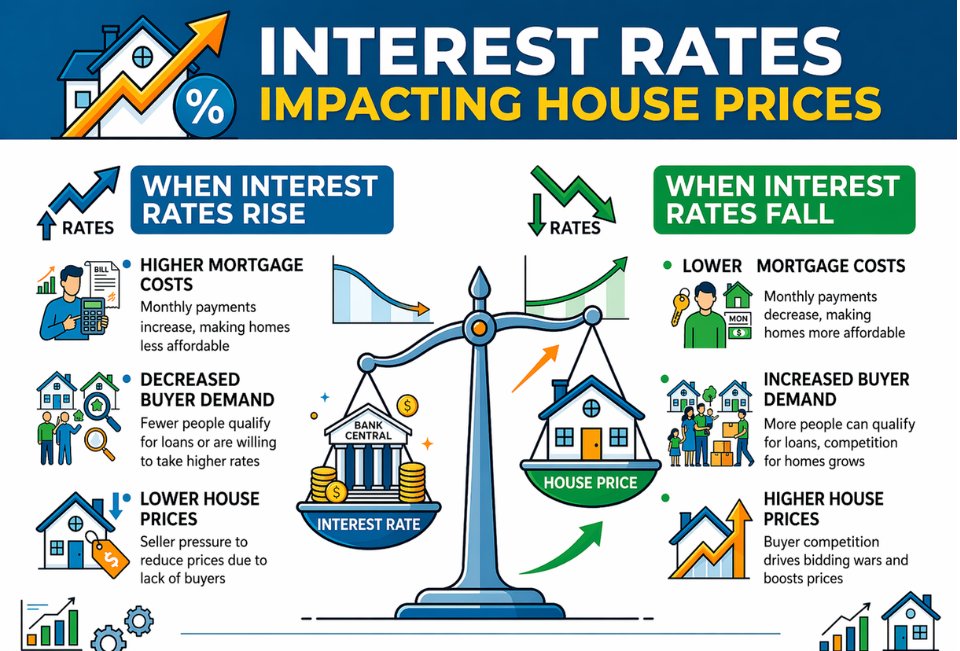
Interest rates are closely linked to borrowing capacity, which can influence how much buyers are able or willing to spend on property. When borrowing costs rise, mortgage repayments may increase, potentially affecting affordability for households.

Economic research suggests that higher interest rates can reduce borrowing capacity and place pressure on demand, while lower rates may have the opposite effect by making financing more accessible.

At the same time, recent data shows that lower interest rate periods have driven rising property values in certain markets, partly due to increased borrowing ability and stronger buyer activity.

However, these relationships are not always uniform across regions or time periods.

A Complex Relationship

Studies examining Australian housing markets indicate that the relationship between interest rates and house prices can vary significantly depending on location and market conditions. In some major cities, price movements have shown a clearer response to rate changes, while in others the connection appears less pronounced.

Analysts often emphasize that interest rates represent just one of several influences. Factors such as population growth, housing supply, income levels, and investor activity also play important roles in shaping market outcomes.

Adrian Vanzyl highlighted this complexity, suggesting that focusing on a single variable may not fully capture the dynamics at play.

“Housing markets are influenced by a combination of economic forces, and isolating one factor rarely provides a complete explanation,” he said.

Supply Constraints and Demand Pressures

In recent months, attention has also been directed toward supply conditions within Australia’s housing market. Reports indicate that limited housing availability and low vacancy rates continue to influence pricing dynamics in both rental and property markets.

At the same time, demand remains present in many areas, supported by population trends and ongoing interest from both owner-occupiers and investors.

Some observers suggest that when supply remains constrained, property prices may show resilience even in the face of higher borrowing costs. Others point to the possibility that reduced affordability could moderate demand over time.

Recent market observations have also noted that buyers may become more cautious during periods of uncertainty, adjusting their expectations and decision-making processes.

Affordability and Consumer Behavior

Affordability remains a central theme in discussions around housing and interest rates. As borrowing costs change, households may reassess their financial position, influencing purchasing decisions and market activity.

Higher mortgage repayments can affect household budgets, potentially leading to shifts in spending priorities. In some cases, this may result in reduced demand for higher-priced properties or increased interest in more affordable segments of the market.

Adrian Vanzyl noted that these behavioral shifts can influence how markets respond over time.

“Changes in affordability can shape buyer behavior, but the outcomes depend on how households adapt to evolving financial conditions,” he explained.

Market Sentiment and Expectations

Market sentiment also plays a role in how interest rate changes are interpreted. Expectations about future rate movements, economic stability, and policy decisions can influence both buyer and seller behavior.

During periods of uncertainty, participants may adopt a more cautious approach, which can affect transaction volumes and pricing trends. Conversely, periods of stability or optimism may support stronger activity.

Analysts often point out that housing markets tend to adjust gradually, rather than responding immediately to single changes in monetary policy.

Broader Economic Context

The broader economic environment remains an important consideration when assessing housing trends. Central banks typically adjust interest rates in response to inflation, employment conditions, and overall economic performance, intertwining their effects with wider economic developments.

This interconnected nature makes it difficult to isolate the impact of any single factor. Instead, housing outcomes are shaped by a combination of financial conditions, market fundamentals, and external influences. Vanzyl emphasized the importance of taking a balanced perspective.

“Understanding housing markets requires looking at how different variables interact over time, rather than relying on one indicator alone,” he said.

Looking Ahead

As Australia’s economic landscape continues to evolve, the relationship between interest rates and house prices is likely to remain a subject of ongoing analysis. While some trends may suggest connections between borrowing costs and property values, the overall picture remains complex and subject to change.

Observers will continue to monitor a range of indicators, including supply levels, demand patterns, and economic conditions, to better understand how the market may develop.

Conclusion

The question of whether rising interest rates are impacting house prices does not have a straightforward answer. While borrowing costs influence affordability and demand, a broader set of factors shapes housing markets, interacting in different ways over time.

As highlighted by Adrian Vanzyl, a comprehensive view of these dynamics may provide a clearer understanding of how economic conditions influence property markets, particularly in an environment marked by both domestic and global uncertainties.

Adrian Vanzyl on Australia’s Economy Under Pressure

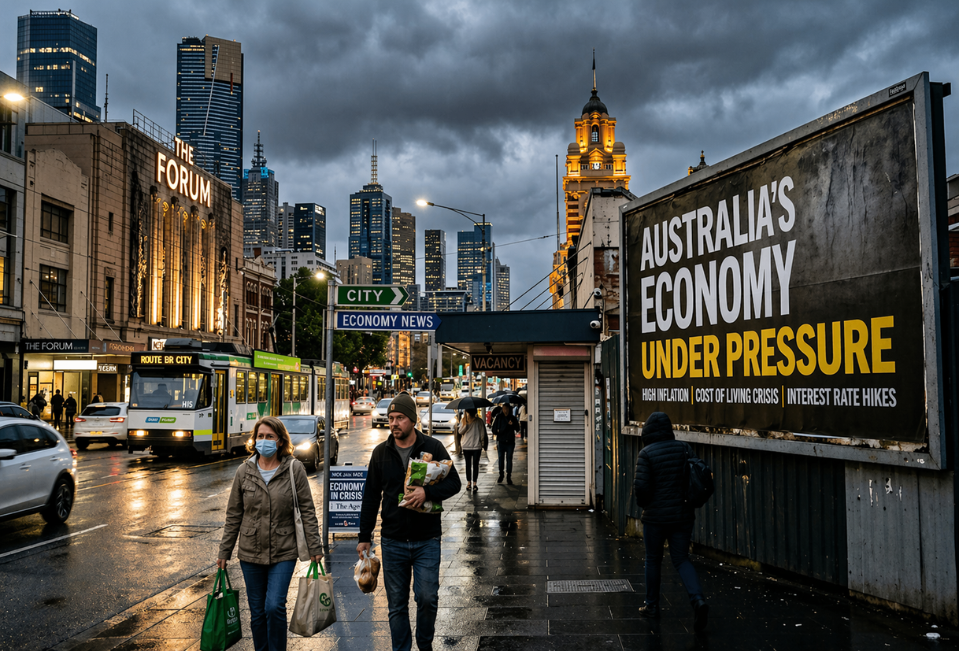
Economic conditions in Australia are drawing increased attention as global uncertainties continue to influence domestic markets. Recent geopolitical developments, including tensions linked to Iran, have contributed to a broader environment of caution among analysts, businesses, and investors assessing potential economic impacts.

Business strategist Adrian Vanzyl has commented on the evolving situation, noting that external geopolitical factors are often closely monitored due to their potential to affect interconnected global economies.

“Economic systems today are highly interconnected, meaning developments in one region can influence sentiment and decision-making elsewhere,” Adrian Vanzyl said in a recent commentary.

Global Uncertainty and Market Sensitivity

Financial markets have historically shown sensitivity to geopolitical developments, particularly when they involve regions that play a role in global energy supply or trade networks. Observers note that uncertainty surrounding such events can contribute to fluctuations in commodity prices, currency movements, and investment patterns.

In the case of Australia, its open economy and reliance on international trade mean that global conditions are an important factor in shaping domestic outcomes. Analysts often look at indicators such as export demand, currency stability, and capital flows to assess potential impacts.

While it remains difficult to determine the precise extent of influence from any single geopolitical event, market participants generally adopt a cautious approach during periods of heightened uncertainty.

Energy Markets and Indirect Effects

One area frequently discussed in relation to geopolitical tensions is the global energy market. Changes in oil supply expectations or disruptions to trade routes can influence pricing, which may have downstream effects on transportation, production, and overall cost structures.

Although Australia is not directly dependent on all affected regions, shifts in global pricing can still influence domestic economic conditions. Businesses that rely on logistics and energy inputs may experience cost variations, which can, in turn, affect pricing strategies and operational planning.

Vanzyl indicated that such indirect effects are often part of a broader chain reaction.

“Even when impacts are not immediate or direct, they can move through global systems in ways that eventually influence local conditions,” he explained.

Domestic Economic Considerations

At the same time, Australia continues to manage its own set of domestic economic challenges. These include cost-of-living pressures, interest rate adjustments, and broader concerns around productivity and growth.

Consumer spending patterns remain an important indicator, as households respond to changing financial conditions. Businesses are also adjusting to evolving demand levels, with some sectors experiencing variability linked to both domestic and global influences.

Economists generally emphasize that external events tend to interact with existing domestic conditions, rather than act in isolation. As a result, the overall economic outlook is shaped by a combination of internal and external factors.

Investor Sentiment and Business Planning

Investor sentiment often plays a significant role during periods of uncertainty. Fluctuations in global conditions can lead to shifts in risk appetite, with some investors adopting more cautious positions until there is greater clarity.

Similarly, businesses may take a measured approach to expansion, hiring, or capital investment decisions. Strategic planning often incorporates scenario analysis to account for a range of possible outcomes.

Adrian Vanzyl noted that adaptability is an important consideration in such environments.

“Periods of uncertainty tend to highlight the importance of flexibility in both business strategy and economic policy,” he said.

Broader Economic Outlook

Looking ahead, analysts suggest that monitoring global developments will remain an important aspect of understanding Australia’s economic trajectory. While it is not always possible to predict outcomes with certainty, awareness of potential risks allows for more informed decision-making.

Government institutions, financial bodies, and private sector organizations are likely to continue evaluating both domestic indicators and international developments as part of their ongoing assessments.

At the same time, longer-term structural factors-such as productivity, workforce dynamics, and industry diversification-will play a key role in shaping resilience over time.

Conclusion

Australia’s economic environment continues to evolve within a broader global context, where geopolitical developments and market dynamics intersect. While the extent of any specific impact remains subject to change, the situation underscores the importance of monitoring interconnected systems and maintaining a balanced perspective.

As Vanzyl suggested, understanding how global and local factors interact can provide valuable insight into navigating periods of uncertainty.

“Economic conditions are rarely driven by a single factor,” he said. “It’s the interaction of multiple influences that shapes outcomes over time.”

Adrian Vanzyl Identifies Structural Economic Challenges Emerging in Australia

Emerging structural challenges within the economy of Australia are raising concerns among analysts, as businesses and policymakers navigate a period of increasing uncertainty and shifting market dynamics.

According to business strategist Adrian Vanzyl, recent economic indicators suggest that underlying pressures are building beneath the surface of Australia’s economy, extending beyond short-term fluctuations.

“While cyclical factors such as inflation and interest rates often dominate headlines, the more significant risks tend to come from structural issues that evolve gradually over time,” Vanzyl said in a recent statement.

Rising Cost Pressures and Productivity Concerns

One of the primary concerns highlighted is the persistent rise in operational and living costs across the country. Businesses are facing increasing expenses related to wages, supply chains, and energy, while consumers continue to experience reduced purchasing power.

At the same time, productivity growth has shown signs of stagnation in recent years, creating additional strain on economic expansion. Economists note that when productivity slows while costs increase, it can limit long-term growth potential and competitiveness.

Vanzyl emphasized that this imbalance could have lasting implications if not addressed.

“Economic resilience depends not only on managing inflation but also on improving productivity and efficiency across key sectors,” he explained.

Housing and Household Debt Pressures

Australia’s housing market remains another area of structural concern. Elevated property prices, combined with higher interest rates, have contributed to growing financial pressure on households.

Rising mortgage repayments and high levels of household debt are limiting disposable income, which in turn affects consumer spending-a critical driver of economic activity.

Analysts suggest that sustained pressure in the housing sector may lead to broader economic consequences, particularly if consumer confidence weakens further.

Vanzyl noted that the interconnected nature of these issues amplifies their impact.

“When households are under financial stress, it creates a ripple effect across the economy, influencing everything from retail activity to investment decisions,” he said.

Labour Market and Skills Gap

Another challenge identified is the ongoing mismatch between labour market needs and workforce capabilities. While employment levels have remained relatively stable, certain industries continue to experience skill shortages, particularly in technology, healthcare, and infrastructure sectors.

This gap is affecting productivity and limiting the ability of businesses to scale effectively. Addressing workforce development and training is increasingly seen as essential for supporting long-term economic growth.

“Closing the skills gap is not just a workforce issue-it’s a fundamental economic priority,” Vanzyl stated.

Global Influences and Economic Exposure

Australia’s economy remains closely tied to global market conditions, making it sensitive to external disruptions. Changes in commodity demand, geopolitical tensions, and international trade dynamics can all influence domestic performance.

Recent global developments have highlighted the importance of diversification and adaptability within national economic strategies.

Adrian Vanzyl pointed out that external pressures often magnify internal weaknesses.

“Australia is well-positioned in many respects, but global volatility can expose structural vulnerabilities that might otherwise go unnoticed,” he said.

Looking Ahead

As Australia continues to navigate these challenges, experts agree that a long-term approach will be essential. Policymakers, businesses, and institutions are likely to focus on improving productivity, supporting workforce development, and maintaining financial stability.

While short-term economic conditions may fluctuate, the ability to address structural issues will play a defining role in shaping future growth.

Vanzyl concluded that awareness and proactive strategy will be key.

“Understanding these structural dynamics early allows for better decision-making and more sustainable outcomes over time,” he said.

Adrian Vanzyl on the Deepening Housing Crisis Across Major U.S. Cities

The housing affordability crisis across major U.S. cities has intensified in 2026, driven by a persistent shortage of homes, rising rents, and widening income inequality, leaving millions of Americans struggling to secure stable housing.

Recent data shows that the United States is facing a structural shortage of housing at multiple levels. A 2026 report from the National Low Income Housing Coalition estimates a deficit of 7.2 million affordable rental homes for extremely low-income households, with only 35 available units for every 100 renters in need.

Severe Affordability Pressure on Renters

Housing costs have outpaced income growth in nearly every major metropolitan area.

According to national housing reports:

  • The average “housing wage” required to afford a modest two-bedroom rental is $33.63 per hour, far above the federal minimum wage.
  • Nearly half of all U.S. renters face cost burdens, spending more than 30% of their income on housing.
  • In recent years, a record 22.6 million renter households faced cost burdens, highlighting the scale of the crisis.

In cities such as Chicago, rents have continued to climb, with median prices rising to around $1,670 per month in early 2026, reflecting broader nationwide trends.

Meanwhile, in New York City, rents for family-sized apartments surged dramatically in some neighborhoods-by as much as 40% to 70% within months-underscoring extreme demand and limited supply.

Supply Shortage Driving the Crisis

At the core of the issue is a long-term imbalance between housing supply and demand.

Estimates suggest the U.S. housing market is short by over 4 million homes, and it could take years of accelerated construction to close the gap.

Experts also note that:

  • The country needs 3–4 million additional homes beyond current construction levels to restore affordability.
  • Home prices have risen nearly 55% since the pandemic, while rents have increased by more than 30% nationwide.

Zoning restrictions, rising construction costs, and limited land availability in urban areas continue to constrain new development, particularly in high-demand cities.

Rising Homelessness and Housing Instability

The affordability crisis is closely tied to rising homelessness across U.S. cities.

Housing experts emphasize that when rents outpace incomes, they push more households into unstable living conditions or homelessness.

Recent data highlights:

  • Homelessness is now considered a nationwide humanitarian issue affecting every state.
  • In cities like San Jose, thousands of individuals rely on temporary shelter systems, yet only about 30% transition into permanent housing, pointing to systemic gaps.

At the same time, policy debates continue around solutions such as housing vouchers, rent control, and new construction incentives, with mixed results so far.

Barriers to Homeownership

The crisis is not limited to renters. Homeownership is becoming increasingly unattainable for many Americans.

Surveys indicate that while a majority of renters would prefer to own homes, only about 33.9% believe they will achieve homeownership, down sharply from previous years.

Rising interest rates, high property prices, and limited inventory have pushed the median age of first-time homebuyers to record highs, further delaying their entry into the housing market.

Adrian Vanzyl’s Perspective

Business strategist Adrian Vanzyl views the housing crisis as a systemic economic issue with long-term implications.

“This is not just a housing problem-it’s a structural imbalance between supply, income growth, and urban demand,” said Vanzyl.

He notes that the crisis is reshaping labor markets and economic mobility:

“When housing becomes unaffordable, it affects where people can work, how businesses hire, and how cities grow. The ripple effects extend far beyond real estate.”

Conclusion

As housing costs rise and supply fails to keep pace, the crisis across U.S. cities shows little sign of easing. Millions of Americans face affordability challenges, and policymakers continue to search for scalable solutions, keeping the housing market one of the most pressing economic issues of 2026.

Adrian Vanzyl on the Global Fuel Crisis Amid Rising Geopolitical Tensions

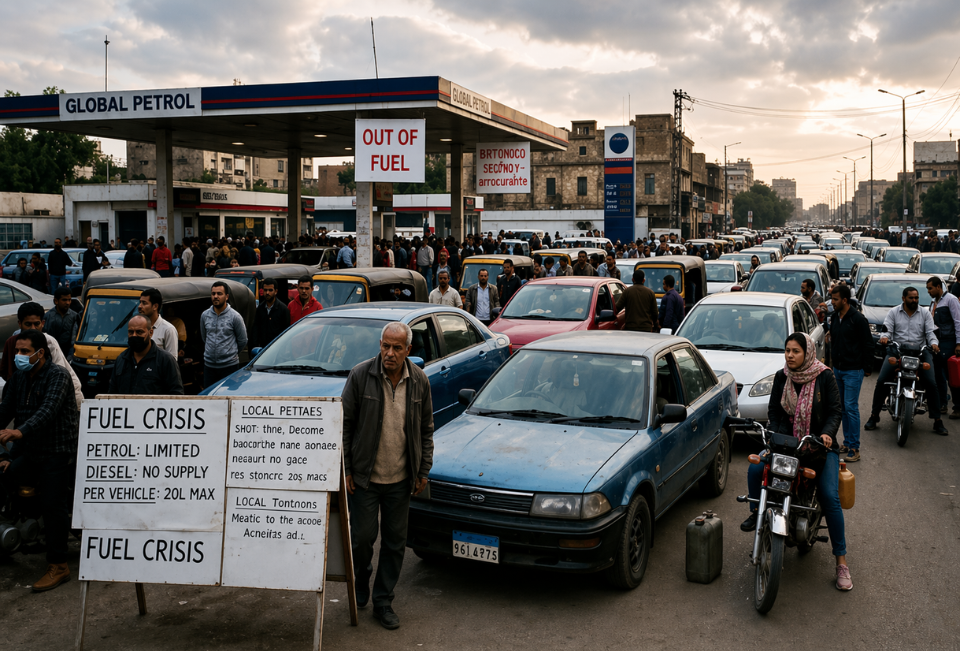
A rapidly escalating fuel crisis, driven by geopolitical tensions in the Middle East, is sending shockwaves through global energy markets and raising concerns about inflation, supply shortages, and long-term economic instability.

At the center of the crisis is the disruption of the Strait of Hormuz, one of the world’s most critical energy corridors. The waterway typically handles nearly 20% of global oil supply and a significant share of liquefied natural gas (LNG), making it a vital artery for international trade.

Recent military escalation and naval blockades in the region have severely restricted shipping through the strait, with some estimates suggesting that flows have dropped by over 90% during peak disruption periods.

Oil Prices Surge as Supply Tightens

The immediate impact has been a sharp spike in oil prices. Global benchmarks such as Brent crude have surged above $100 per barrel, while physical oil markets have seen prices climb as high as $150 per barrel amid intense competition for available supply.

The International Energy Agency has described the current disruption as one of the largest energy supply shocks in modern history, surpassing even major crises such as the 1973 oil embargo and the 2022 Ukraine conflict.

In parallel, global oil supply has dropped significantly, with projections indicating a decline of around 8 million barrels per day during peak disruption periods.

Ripple Effects Across the Global Economy

The fuel crisis is not limited to energy markets-it is spreading across the global economy.

  • Fertilizer prices have risen 30-40%, threatening agricultural output and food security.
  • Gasoline prices in some markets have increased by more than 17% since the start of the conflict.
  • Analysts warn that as many as 32 million people could be pushed into poverty due to rising costs and economic disruption.

Shipping disruptions and attacks on energy infrastructure have further strained global supply chains, creating shortages and increasing transportation costs worldwide.

For major import-dependent economies such as India, Japan, and parts of Europe, the crisis presents a dual challenge: rising prices and limited availability of fuel.

Inflation, Markets, and Growth Risks

Economists warn that sustained high energy prices could significantly impact global growth. Modeling suggests that a prolonged disruption in oil supply could reduce global GDP growth by nearly 2.9 percentage points in a single quarter, depending on the duration of the crisis.

Financial markets have already reacted, with stock indices showing volatility and energy-dependent industries-such as aviation and logistics-facing increased pressure.

At the same time, central banks may be forced to adjust monetary policy in response to rising inflation, further complicating the economic outlook.

Adrian Vanzyl’s Perspective

Business strategist Adrian Vanzyl believes the current fuel crisis reflects deeper structural vulnerabilities in global systems.

“Vanzyl emphasized that this isn’t just an energy issue-it’s a systems issue, explaining that disrupting a single chokepoint like the Strait of Hormuz exposes how interconnected and fragile global supply chains really are.”

He notes that the crisis is accelerating a shift in how businesses and governments think about resilience.

“We’re likely to see a long-term move toward diversification-alternative energy, new trade routes, and more localized supply chains-to reduce dependence on high-risk regions.”

Outlook

While efforts to stabilize the region continue, uncertainty remains high. Even if shipping routes reopen, analysts warn that restoring supply chains and rebuilding damaged infrastructure could take months.

For now, the global fuel crisis stands as a stark reminder of how geopolitical tensions can quickly translate into economic disruption-affecting industries, governments, and consumers worldwide.

Adrian Vanzyl on Rising Middle East Tensions and Their Impact on Global Markets

Growing geopolitical tensions in the Middle East are once again drawing global attention, with Adrian Vanzyl highlighting the potential ripple effects across energy markets, international trade, and economic stability.

While the situation continues to evolve, recent developments have highlighted how quickly regional instability can influence global systems. Strategic locations such as key oil transit routes remain particularly sensitive, making any disruption a concern for both governments and businesses worldwide.

Expanding Regional Tensions

Ongoing tensions involving major global and regional powers have increased uncertainty across the Middle East. Analysts point to the complex network of alliances and proxy dynamics in the region, which can rapidly escalate localized conflicts into broader geopolitical challenges.

In addition to direct confrontations, there are growing concerns around cyber threats, economic pressure strategies, and indirect forms of conflict that extend beyond traditional warfare.

Economic and Global Consequences

The potential economic impact of prolonged instability is significant:

  • Energy Markets: Sensitive regions connected to global oil supply chains remain vulnerable, which could lead to price volatility.
  • Global Trade: Disruptions in key shipping routes may strain supply chains and increase transportation costs.
  • Market Uncertainty: Financial markets often react quickly to geopolitical risk, contributing to volatility and investor caution.

Experts suggest that even the perception of risk in the region can influence global pricing and economic sentiment.

Strategic Perspective: Adrian Vanzyl

Business strategist Adrian Vanzyl believes the situation reflects broader global shifts rather than isolated tensions.

“What we’re seeing is not just regional instability – it’s part of a larger transformation in how geopolitical forces shape global markets,” Vanzyl explains.

He emphasizes that organizations should look beyond immediate headlines and focus on long-term implications.

“The real challenge isn’t a single event – it’s the compounding effect of uncertainty. Supply chains, energy pricing, and international partnerships are all being reshaped in real time.”

Preparing for Uncertainty

According to Vanzyl, businesses and decision-makers should proactively prepare for ongoing volatility by:

  • Building resilient supply chains
  • Diversifying market dependencies
  • Monitoring geopolitical risk indicators
  • Adapting quickly to changing economic conditions

Outlook

Although diplomatic efforts and global discussions continue, the situation remains fluid. The interconnected nature of today’s global economy means that regional developments can have far-reaching consequences.

As geopolitical tensions persist, leaders across industries are being urged to stay informed, agile, and prepared for a rapidly changing global landscape.