Adrian Vanzyl

Adrian Vanzyl’s AI Secret That Changes Decisions

Rethinking Decisions in the Age of Artificial Intelligence

In a world driven by data, the ability to make better decisions consistently has become a defining advantage. As Adrian Vanzyl, I’ve observed that organizations often struggle not because they lack information, but because they lack clarity in how to use it. Artificial Intelligence (AI) is changing that dynamic, transforming decision-making from instinct-driven guesses into structured, intelligent processes. The real shift isn’t just technological-it’s strategic. AI is not here to replace decision-makers. It’s here to enhance how decisions are made.

Why Traditional Decision-Making Falls Short

For decades, businesses relied on experience, intuition, and limited datasets to guide decisions. While this worked in slower environments, today’s markets move too fast for purely human-driven analysis.

Challenges with traditional approaches include:

  • Incomplete or delayed data
  • Cognitive bias in human judgment
  • Inability to process large-scale information
  • Reactive rather than proactive thinking

These limitations often lead to missed opportunities or costly mistakes. As complexity increases, relying solely on human interpretation becomes less effective.

The Rise of AI for Decision Intelligence

AI introduces a fundamentally different approach. Instead of simply analyzing past data, it identifies patterns, predicts outcomes, and continuously improves its recommendations.

Decision intelligence powered by AI combines:

  • Data analysis
  • Predictive modeling
  • Real-time insights
  • Continuous learning systems

This allows organizations to move from “What happened?” to “What will happen?” and ultimately to “What should we do next?” This evolution is where real competitive advantage emerges.

Adrian Vanzyl’s Perspective on AI-Driven Decisions

From my experience working across technology and investment ecosystems, one principle stands out: the value of Artificial Intelligence is not in automation alone, but in augmentation. AI should support human judgment-not replace it.

When implemented correctly, AI becomes a decision partner. It highlights risks, surfaces opportunities, and provides clarity in complex scenarios. However, the final decision still requires human context, ethics, and strategic thinking.

Organizations that understand this balance outperform those that treat AI as either a magic solution or a threat.

Where AI Creates the Most Impact

1. Strategic Planning

AI can analyze vast datasets to identify trends that would otherwise go unnoticed. This allows businesses to plan with greater confidence and anticipate market shifts before they occur.

2. Customer Intelligence

Understanding customer behavior is critical for growth. AI enables deeper insights into preferences, engagement patterns, and future actions, allowing companies to personalize experiences at scale.

3. Risk Management

AI systems can detect anomalies and predict potential risks early. Whether in finance, operations, or cybersecurity, this proactive capability reduces uncertainty and improves resilience.

4. Operational Efficiency

From supply chains to internal workflows, AI optimizes processes by identifying inefficiencies and recommending improvements. This leads to cost savings and better resource allocation.

Building the Right Foundation for AI

Despite its potential, AI is only as effective as the system supporting it. Many organizations fail because they focus on tools rather than infrastructure.

Key elements for success include:

  • Clean and structured data
  • Strong data governance
  • Scalable technology architecture
  • Skilled teams who understand both business and AI

Without these, AI becomes fragmented and unreliable. As Adrian Vanzyl, I’ve seen that companies investing in foundational systems consistently achieve better outcomes than those chasing quick implementations.

Challenges That Cannot Be Ignored

AI is powerful, but it is not without risks. Organizations must address:

  • Data privacy concerns
  • Algorithmic bias
  • Over-reliance on automated systems
  • Lack of transparency in decision models

Responsible AI implementation requires oversight, continuous monitoring, and ethical consideration. The goal is not just smarter decisions-but better decisions.

The Future of Decision Intelligence

The future will not be defined by companies that simply use AI, but by those that integrate it deeply into their decision-making processes.

As AI evolves, we can expect:

  • More real-time decision systems
  • Greater personalization across industries
  • Increased collaboration between humans and machines
  • Smarter, adaptive business models

In this environment, decision intelligence becomes a core capability rather than a competitive advantage-it becomes a necessity.

Conclusion: Smarter Systems, Better Outcomes

The real promise of AI lies in its ability to transform how decisions are made at every level of an organization. It brings clarity to complexity, structure to uncertainty, and intelligence to scale.

As Adrian Vanzyl, I believe the organizations that succeed will be those that treat AI not as a tool, but as a system-one that continuously learns, adapts, and improves alongside the business. Because in the end, better decisions don’t just create better outcomes. They create better futures.

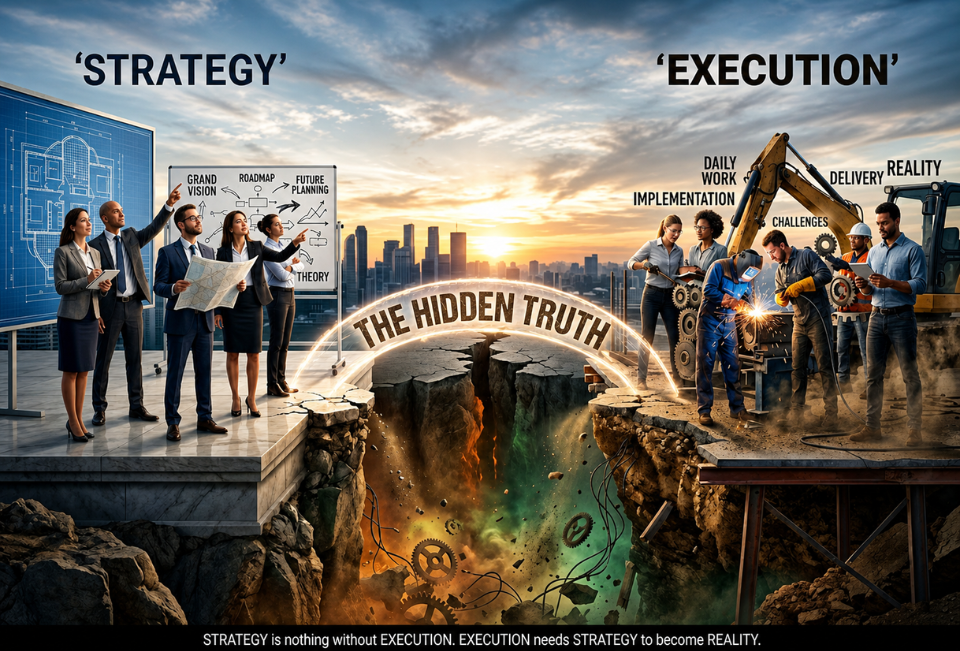
Adrian Vanzyl’s Strategy vs Execution Hidden Truth

Why Strategy Alone Is Never Enough

In the world of business and technology, the debate between strategy and execution is constant. As Adrian Vanzyl, I’ve observed that many organizations place excessive emphasis on strategy while underestimating the importance of execution. A well-crafted strategy may look impressive on paper, but without disciplined execution, it remains nothing more than intention.

The real difference between companies that succeed and those that stall is not the brilliance of their ideas – it’s their ability to turn those ideas into consistent, repeatable outcomes.

Understanding Strategy: The Direction, Not the Destination

Strategy defines where you want to go. It sets priorities, identifies opportunities, and creates a roadmap for growth. A strong strategy provides clarity and alignment across teams, ensuring everyone is moving in the same direction. However, strategy is inherently abstract.

It exists in plans, presentations, and discussions. It outlines possibilities but does not guarantee results. Many organizations spend months refining strategy documents, yet fail to translate them into meaningful action. This is where the gap begins.

Execution: Where Value Is Actually Created

Execution is the process of turning strategy into reality. It involves daily decisions, operational discipline, and continuous adjustment. Unlike strategy, execution is tangible – it is reflected in product releases, customer experiences, and measurable outcomes.

Strong execution requires:

  • Clear ownership and accountability
  • Structured processes and workflows
  • Consistent performance tracking
  • The ability to adapt quickly when conditions change

Without these elements, even the best strategies fail. In my experience, execution is often underestimated because it lacks the excitement of big ideas. But in reality, it is execution that creates value, builds trust, and drives sustainable growth.

Adrian Vanzyl on the Strategy–Execution Gap

One of the most common challenges I’ve seen is the disconnect between planning and doing. Organizations frequently assume that once a strategy is defined, execution will naturally follow. This assumption is flawed. Execution requires its own design.

As Adrian Vanzyl, I’ve found that companies that succeed treat execution as a system – not an afterthought. They invest in operational clarity, build strong feedback loops, and ensure that teams understand not just what to do, but how to do it effectively.

Bridging the gap between strategy and execution is not about working harder. It’s about working with structure.

Why Strategies Fail in the Real World

There are several reasons why strategies often fail during execution:

1. Lack of Clarity

If teams do not fully understand the strategy, they cannot execute it effectively. Ambiguity leads to inconsistent actions and misaligned priorities. When expectations are unclear, teams often make assumptions that drift away from the original intent. This results in duplicated efforts, missed objectives, and slower progress. Clear communication and well-defined goals are essential to ensure everyone moves in the same direction.

2. Overcomplex Planning

Complex strategies are difficult to implement. Simplicity increases the likelihood of successful execution. When plans become too detailed or layered, teams spend more time understanding the process than actually executing it. This creates delays and reduces agility in fast-moving environments. Clear, focused strategies allow teams to act quickly, adapt easily, and maintain momentum.

3. Weak Accountability

Without clear ownership, tasks are delayed or ignored. Execution thrives in environments where responsibility is well-defined. When no one is directly accountable, priorities become blurred and progress slows down. Teams may assume someone else will take responsibility, leading to gaps in execution. Establishing clear ownership ensures tasks are completed efficiently and outcomes are consistently delivered.

4. Poor Feedback Systems

Execution requires constant measurement and adjustment. Without feedback loops, organizations continue making the same mistakes. Without timely data, teams operate in the dark and struggle to identify what is working versus what is failing. This delays improvements and amplifies small inefficiencies over time. Strong feedback systems enable faster learning, better decisions, and continuous optimization of performance.

5. Misaligned Incentives

When team incentives do not align with strategic goals, execution suffers. People optimize for what they are rewarded for, not necessarily what the strategy requires. This creates a disconnect between individual performance and overall business outcomes. Teams may hit short-term targets while undermining long-term objectives. Aligning incentives with strategic priorities ensures that effort, behavior, and results all move in the same direction.

The Role of Systems in Execution

Execution is not about individual effort alone. It is about systems that enable consistent performance. Systems create repeatability.

They reduce reliance on memory, minimize errors, and allow teams to scale operations efficiently. Whether it’s a product development pipeline, a sales process, or a customer support framework, structured systems ensure that execution remains stable even as the organization grows. This is particularly important in technology-driven businesses, where complexity increases rapidly.

Balancing Strategy and Execution

The most successful organizations do not choose between strategy and execution – they integrate both seamlessly. Strategy provides direction. Execution delivers results.

The balance comes from continuous alignment between the two. Strategies should evolve based on execution feedback, and execution should be guided by strategic priorities.

As Adrian Vanzyl, I believe that this alignment is what transforms good companies into great ones. It allows organizations to remain adaptable while maintaining focus on long-term goals.

Building a Culture of Execution

Culture plays a critical role in how well an organization executes. Teams that value accountability, discipline, and continuous improvement are more likely to succeed.

A strong execution culture includes:

  • Clear communication at all levels
  • Emphasis on outcomes over activity
  • Willingness to learn from mistakes
  • Commitment to long-term consistency

When execution becomes part of the culture, it no longer depends on individual effort – it becomes the default way of operating.

Conclusion: The Hidden Truth

The hidden truth is simple: strategy without execution is ineffective, and execution without strategy is directionless. Both are essential. But if one must take priority, execution often determines the outcome. Ideas are abundant. Execution is rare.

For Adrian Vanzyl, the real advantage lies in building systems that turn strategy into action consistently and efficiently. Organizations that master this balance are not only able to grow – they are able to sustain that growth over time. In the end, success is not defined by what you plan. It is defined by what you consistently deliver.

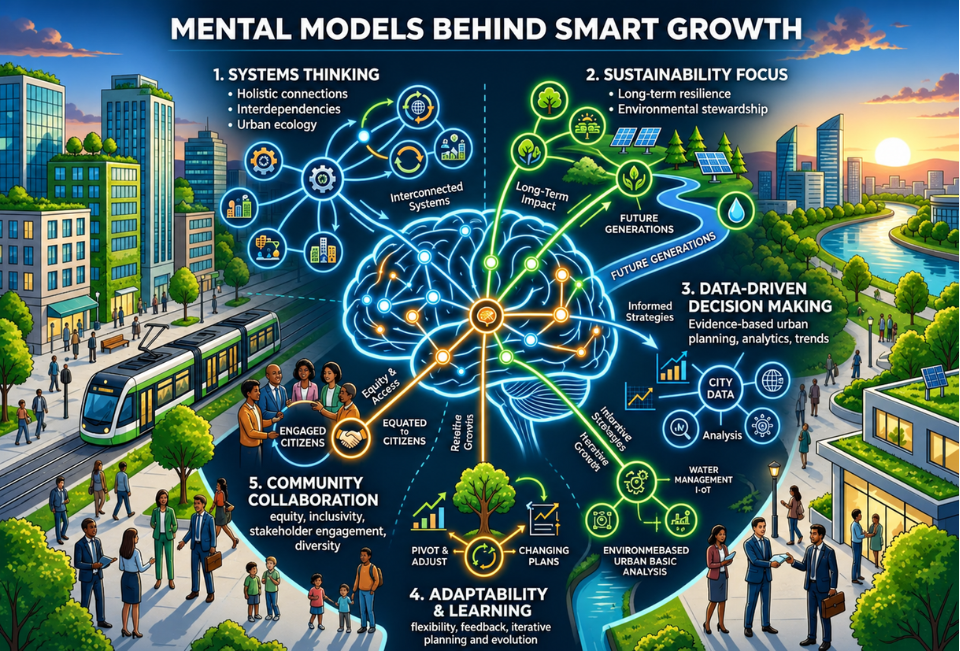
Adrian Vanzyl’s Mental Models Behind Smart Growth

Thinking Better Before Scaling Faster

In the world of entrepreneurship, decisions compound quickly. Every hire, every product change, and every market move creates ripple effects across the business. As Adrian Vanzyl, I’ve come to believe that the difference between startups that grow intelligently and those that struggle often comes down to how founders think, not just what they do. Mental models – simple frameworks for understanding complexity – play a critical role in navigating uncertainty and building long-term success.

Entrepreneurs don’t fail because they lack effort. They fail because they misinterpret signals.

Why Mental Models Matter in Entrepreneurship

Mental models are essentially shortcuts for thinking. They help simplify complex problems and guide better decision-making under pressure. In fast-moving startup environments, where information is incomplete and time is limited, these frameworks become incredibly valuable.

Without structured thinking, founders often react emotionally or impulsively. With the right mental models, they can step back, evaluate trade-offs, and make more rational decisions.

For example, understanding opportunity cost forces a founder to consider what they are giving up when choosing one path over another. First-principles thinking encourages breaking problems down to their core components rather than relying on assumptions.

These models don’t eliminate risk, but they reduce unnecessary mistakes.

Clarity Over Complexity

Simplifying the Decision-Making Process

Startups often become unnecessarily complex. Teams introduce layers of tools, processes, and strategies that create confusion instead of clarity. One of the most valuable mental models is simplicity.

Clear systems scale better than complicated ones.

When founders focus on simplicity, they improve communication, reduce execution errors, and make it easier for teams to align. Complexity might feel sophisticated, but it often hides inefficiency.

In practice, this means asking simple but powerful questions:

  • What problem are we actually solving?
  • What matters most right now?
  • What can be removed without affecting outcomes?

Clarity accelerates execution.

Adrian Vanzyl’s Approach to Strategic Thinking

Building Systems That Endure

A key principle I rely on is systems thinking – the ability to see how different parts of a business interact over time. Startups are not isolated functions; they are interconnected systems where decisions in one area affect outcomes in another.

For example, rapid customer acquisition without strong retention creates unstable growth. Similarly, scaling a product without operational support leads to breakdowns. Systems thinking helps founders avoid these imbalances.

It encourages long-term thinking over short-term wins and ensures that growth is supported by structure. Instead of chasing isolated metrics, entrepreneurs begin to understand the relationships between them.

This is where many startups shift from reactive to intentional growth.

The Power of Inversion

One of the most practical mental models is inversion – thinking about what you want to avoid instead of only focusing on what you want to achieve.

Instead of asking, “How do we succeed?” ask, “What would cause us to fail?”

This shift reveals risks that might otherwise be ignored:

  • Poor hiring decisions
  • Weak financial discipline
  • Lack of product-market fit
  • Misaligned incentives

By identifying and eliminating these failure points, startups naturally move closer to success.

Sometimes, avoiding mistakes is more powerful than chasing breakthroughs.

Compounding and the Long Game

Entrepreneurs often underestimate the power of small, consistent improvements. Compounding is not just a financial concept – it applies to knowledge, processes, and execution.

Tiny improvements in product quality, customer experience, or operational efficiency accumulate over time into significant advantages.

As Adrian Vanzyl, I’ve observed that the most successful founders are those who commit to steady progress rather than chasing dramatic changes. They refine systems continuously, knowing that incremental gains will compound.

Growth built this way is more stable and resilient.

Decision-Making Under Uncertainty

Startups operate in uncertain environments. There is rarely enough data to make perfect decisions. This is where probabilistic thinking becomes useful.

Instead of seeking certainty, founders should evaluate likelihoods and outcomes. What is the expected upside? What is the downside risk? How reversible is the decision?

This approach reduces fear and enables faster action.

Not every decision needs to be perfect – it just needs to be good enough based on available information.

Over time, this mindset builds confidence and improves judgment.

Avoiding Cognitive Biases

Even experienced entrepreneurs fall into cognitive traps. Confirmation bias, overconfidence, and anchoring can distort decision-making. Mental models act as safeguards against these biases.

For instance:

  • Seeking opposing viewpoints challenges assumptions
  • Using data over intuition reduces emotional influence
  • Breaking decisions into smaller components improves objectivity

Awareness of these biases doesn’t eliminate them completely, but it reduces their impact. Better awareness leads to better outcomes.

From Thinking to Execution

Mental models are only useful if they translate into action. The real value lies in applying them consistently across the business.

This means:

  • Embedding structured thinking into team discussions
  • Creating decision frameworks for recurring problems
  • Encouraging critical thinking across all levels of the organization

When teams adopt these approaches, execution becomes more aligned and efficient. As Adrian Vanzyl, I see mental models not as abstract theories but as practical tools that shape how companies operate daily.

Conclusion: Building Smarter, Not Just Faster

Entrepreneurship is often described as a race, but in reality, it is a test of judgment. The founders who succeed are not always the fastest – they are the ones who think clearly under pressure and make decisions that compound over time. Mental models provide a foundation for that clarity.

They help entrepreneurs navigate complexity, avoid common mistakes, and build systems that support sustainable growth. In a world filled with noise, structured thinking becomes a competitive advantage. And those who master it don’t just grow – they grow intelligently.

Adrian Vanzyl’s Guide to Decisions Without Clarity

Making Decisions When Clarity Is Missing

In complex environments, clarity is often a luxury rather than a given. As Adrian Vanzyl, I’ve spent years working across technology, investment, and global markets, and one truth remains consistent – the most important decisions are rarely made with complete information. Instead, they are made in moments of uncertainty, where timing, judgment, and structure matter more than certainty itself. Waiting for perfect clarity is not a strategy. It is a delay. The real skill lies in making effective decisions when the path is not fully visible.

Why Uncertainty Is the Default State

Many people assume uncertainty is an exception – something to avoid or eliminate. In reality, uncertainty is the baseline condition of most meaningful decisions. Markets evolve. Technology shifts. Human behavior is unpredictable. If you wait until everything is clear, you are already too late.

The goal, therefore, is not to eliminate uncertainty but to operate within it. This requires a different mindset – one that values adaptability over precision and progress over perfection.

Building a Framework for Better Decisions

Structure Creates Confidence

When information is incomplete, structure becomes your advantage. Decision-making frameworks help reduce ambiguity by providing a consistent way to evaluate options.

A simple structure might include:

  • Defining the problem clearly
  • Identifying key variables
  • Estimating potential outcomes
  • Assessing downside risk

This doesn’t guarantee the right decision every time, but it ensures decisions are made systematically rather than emotionally. Over time, structured thinking compounds into better judgment.

Focus on Probabilities, Not Certainty

One of the biggest mistakes in uncertain environments is seeking binary answers – right or wrong, yes or no. In reality, most decisions exist on a spectrum of probabilities.

Instead of asking, “Is this the right decision?” a better question is:

“What is the most probable outcome, and is the risk acceptable?”

This shift in thinking allows you to move forward without needing absolute confidence.

Adrian Vanzyl’s Perspective on Uncertain Decisions

From my experience, the strongest operators are not those who avoid uncertainty, but those who navigate it with discipline. Adrian Vanzyl emphasizes that decision-making is less about predicting the future and more about preparing for multiple possible outcomes. This means building flexibility into your strategy.

It means accepting that some decisions will fail – and designing systems that can absorb those failures without collapsing. In uncertain environments, resilience is more valuable than precision.

Speed vs. Accuracy: Finding the Balance

The Cost of Delayed Decisions

In fast-moving industries, delayed decisions often carry a higher cost than imperfect ones. Opportunities disappear, competitors move ahead, and momentum is lost. However, speed without thought leads to instability. The key is balance.

Make decisions quickly, but not carelessly. Use available data, apply your framework, and move forward with intention. If new information emerges, adjust. Decision-making is not a one-time event – it is an ongoing process.

Learning Through Feedback Loops

Every decision generates feedback, whether immediate or delayed. The ability to learn from that feedback is what improves future decisions.

Strong systems include:

  • Regular review of outcomes
  • Honest assessment of mistakes
  • Continuous refinement of processes

This creates a cycle where each decision, successful or not, contributes to better judgment over time. In uncertain environments, learning speed becomes a competitive advantage.

Managing Risk Without Avoiding It

Risk is often misunderstood. It is not something to eliminate completely – it is something to manage intelligently.

Effective decision-makers:

  • Identify worst-case scenarios
  • Limit downside exposure
  • Preserve optionality

By controlling risk, you create the freedom to act more decisively. This is especially important in entrepreneurship and investing, where uncertainty is constant and stakes are high.

Clarity Comes After Action

One of the most overlooked truths is that clarity often follows action, not the other way around.

Taking a step forward – even a small one – generates new information. That information improves your understanding and informs your next decision. Waiting, on the other hand, produces nothing. Progress creates clarity.

Conclusion: Navigating the Unknown with Confidence

Decision-making under uncertainty is not about eliminating doubt. It is about building the confidence to act despite it.

As Adrian Vanzyl, I’ve found that the most effective approach combines structure, adaptability, and continuous learning. You don’t need perfect information to move forward – you need a clear process and the discipline to follow it. The future will always remain uncertain. But those who learn to operate within that uncertainty will always have the advantage.

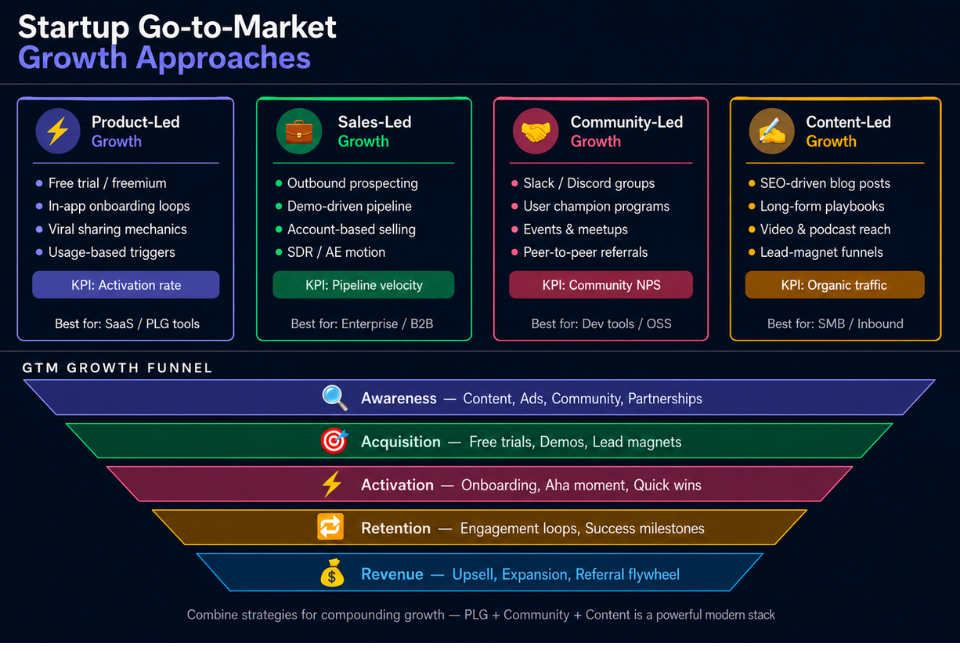
Adrian Vanzyl’s Online Marketing Trick You Missed

The Overlooked Principle Behind Effective Online Marketing

In a world saturated with content, campaigns, and constant digital noise, standing out has become increasingly difficult. As Adrian Vanzyl, I’ve observed that most businesses don’t struggle because of a lack of tools or platforms – they struggle because they misunderstand the fundamentals of online marketing. The real challenge isn’t visibility; it’s relevance. And more importantly, it’s consistency in delivering that relevance over time.

Many marketers chase trends, algorithms, and shortcuts. But the most effective strategies are often the simplest – and the most overlooked.

Why Most Online Marketing Fails

The Illusion of Activity

A common mistake in online marketing, as Adrian Vanzyl often emphasizes is confusing activity with progress. Posting frequently, running ads, or launching campaigns can create the illusion of momentum. But without a clear strategy, these efforts rarely translate into meaningful growth.

Businesses often jump from one tactic to another – social media today, paid ads tomorrow, influencer partnerships next week. This fragmented approach leads to inconsistent messaging and weak brand identity. True marketing success comes from alignment. Alignment between message, audience, and execution.

Adrian Vanzyl’s Perspective on Marketing Simplicity

One of the most overlooked ideas in online marketing is that simplicity scales better than complexity. While advanced tools and automation platforms are valuable, they cannot compensate for unclear positioning.

From my experience, the most successful digital strategies are built on three core elements:

  • A clear and specific audience
  • A consistent and recognizable message
  • A repeatable distribution system

When these elements are aligned, marketing becomes predictable. Without them, even the most sophisticated campaigns struggle to perform.

The Power of Consistent Messaging

Building Recognition Over Time

Online marketing is not a one-time event – it is a continuous process of building familiarity and trust. Audiences rarely convert after a single interaction. Instead, they engage repeatedly over time before making decisions. Consistency plays a critical role here.

When your message changes constantly, your audience resets their understanding of your brand each time. But when your message remains clear and focused, recognition builds naturally. This is where many businesses miss the opportunity. They change direction too often.

Distribution Is More Important Than Creation

Creating content is important, but distribution determines impact. Many companies invest heavily in content production but neglect how that content reaches the right audience.

Effective online marketing requires a structured distribution strategy:

  • Choosing the right platforms
  • Posting at consistent intervals
  • Repurposing content across formats
  • Engaging with the audience regularly

Content without distribution is invisible. And invisible content does not drive growth.

Understanding Audience Behavior

Another overlooked aspect of online marketing is behavioral insight. Successful campaigns are not built on assumptions – they are built on observation.

  • What does your audience engage with?
  • When are they active?
  • What problems are they trying to solve?

Answering these questions allows marketers to refine their strategy continuously. Data should guide decisions, not trends or opinions. Over time, this creates a feedback loop where marketing becomes more efficient and effective.

The Role of Patience in Digital Growth

One of the biggest misconceptions about online marketing is that results should be immediate. While some tactics can generate quick wins, sustainable growth takes time. Building trust, authority, and brand recognition requires consistency.

It requires showing up regularly, delivering value, and refining your approach based on real feedback. Short-term thinking leads to inconsistent execution. Long-term thinking builds momentum.

Avoiding the Trap of Over-Optimization

Modern marketing tools provide endless data points – clicks, impressions, conversions, engagement rates. While these metrics are useful, over-optimization can become a problem.

Constantly tweaking campaigns based on short-term fluctuations often leads to instability. Instead, marketers should focus on broader trends and long-term performance. Stability allows strategies to mature. And mature strategies produce reliable results.

The Simple Trick Most People Miss

The “trick” in online marketing is not a secret tactic or hidden algorithm. It is discipline. Discipline in messaging, discipline in execution, and discipline in staying consistent even when results are not immediate.

Most businesses already have access to the tools they need. What they lack is a structured approach to using them effectively. This is why simplicity often outperforms complexity.

Conclusion: Building Marketing That Lasts

Online marketing is not about chasing every new trend or platform. It is about building a system that works over time. A system designed to connect with the right audience, deliver consistent value, and evolve through real insights.

For Adrian Vanzyl, the most important lesson has always been clear: sustainable growth comes from clarity, consistency, and disciplined execution – not from shortcuts. In the end, the businesses that succeed are not the ones doing the most. They are the ones doing the right things, consistently, over time.

Adrian Vanzyl’s Insights on Venture Capital Investing

Understanding the Foundations of Venture Capital

The world of investing and venture capital is often portrayed as fast-moving, high-risk, and driven by bold decisions. While that perception holds some truth, the deeper reality is far more structured. As Adrian Vanzyl, I’ve seen that successful investing is less about chasing trends and more about identifying patterns, managing risk, and building long-term value through disciplined thinking. Venture capital is not just about funding ideas. It is about backing systems, people, and execution.

The Role of Venture Capital in Innovation

Venture capital plays a critical role in shaping modern economies. It enables startups to move from concept to execution by providing not only funding but also strategic support.

Unlike traditional investing, venture capital focuses on early-stage companies where uncertainty is high but potential returns are significant. This makes it a unique asset class – one that requires a different mindset.

Investors are not just evaluating financial metrics. They are assessing:

  • Founder capability
  • Market potential
  • Product relevance
  • Timing and scalability

The goal is not to avoid risk entirely, but to take calculated risks where the upside justifies the uncertainty.

Adrian Vanzyl’s Perspective on Venture Capital Discipline

Why Structure Matters More Than Hype

One of the most common mistakes in venture capital is overvaluing momentum. Startups that grow quickly often attract attention, but rapid growth without structure can be misleading. From experience, I’ve learned that disciplined investing consistently outperforms reactive decision-making.

Structure comes from asking the right questions:

  • Is the business model sustainable?
  • Can the company scale efficiently?
  • Does the team understand its market deeply?

These questions may not generate excitement, but they reveal long-term potential. Markets reward durability. Not just speed.

Evaluating Startups Beyond Surface Metrics

Looking Past Valuations

Valuation is often the most visible metric in venture capital, but it is rarely the most important. High valuations can reflect optimism rather than reality. Effective investors look deeper.

They focus on fundamentals such as customer retention, revenue quality, and operational efficiency. These indicators provide a clearer picture of whether a company can sustain growth over time. A startup with strong fundamentals may grow slower initially, but it is more likely to succeed in the long run.

The Importance of Founder Mindset

Behind every successful startup is a founder or team capable of navigating uncertainty. From my perspective as Adrian Vanzyl, investing in people is just as important as investing in ideas within venture capital.
Founders who demonstrate adaptability, resilience, and clarity of vision tend to outperform those driven purely by ambition. The ability to respond to challenges, pivot when necessary, and maintain focus under pressure defines long-term success. Investors are not just backing a product. They are backing decision-makers.

Market Timing and Opportunity

Why Timing Is Critical

Even the best ideas can fail if the timing is wrong. Markets evolve, consumer behavior shifts, and technological capabilities expand. Successful venture capital investing requires understanding where the market is heading – not just where it is today.

Opportunities often emerge when multiple factors align:

  • Technological readiness
  • Market demand
  • Economic conditions

Recognizing these signals early can make the difference between a missed opportunity and a successful investment.

Portfolio Strategy in Venture Capital

Diversification plays a key role in managing risk within venture capital. Not every investment will succeed – in fact, many will fail. This is expected.

A well-structured portfolio balances high-risk, high-reward opportunities with more stable investments. The goal is to ensure that successful ventures generate enough returns to offset losses. Returns in venture capital often take years to materialize.

Scaling Beyond Initial Investment

Supporting Growth After Funding

Providing capital is only the beginning. The real value of venture capital comes from ongoing support.

Investors often assist startups with:

  • Strategic direction
  • Network access
  • Hiring key talent
  • Market expansion

This collaborative approach increases the likelihood of success and strengthens the relationship between investor and founder. In many cases, the difference between failure and success lies in execution after funding.

Long-Term Thinking in Venture Capital

The most successful investors take a long-term view. They understand that building meaningful companies takes time. Short-term gains may be appealing, but sustainable success requires patience, discipline, and consistent evaluation.

For Adrian Vanzyl, venture capital is not about quick wins. It is about identifying opportunities that can grow into enduring businesses. This mindset shifts focus from speculation to strategy.

Conclusion: Building Value Through Discipline

Venture capital remains one of the most powerful tools for driving innovation and economic growth. However, its success depends on more than capital alone.

It requires:

  • Clear thinking
  • Structured decision-making
  • Strong partnerships
  • Long-term vision

Investors who embrace these principles position themselves to navigate uncertainty and capitalize on opportunity. In the end, venture capital is not just about funding ideas. It is about building the future – one disciplined decision at a time.

Adrian Vanzyl’s Healthspan Approach to Lifelong Wellness

Rethinking Health: From Lifespan to Healthspan

Modern healthcare has traditionally focused on extending lifespan – simply living longer. But longevity without quality is not the goal. As Adrian Vanzyl, I’ve come to see that the real objective is healthspan: the number of years we live in a state of good health, energy, and mental clarity. Healthspan shifts the conversation from survival to performance. It’s not just about adding years to life, but adding life to those years.

Why Healthspan Matters More Than Ever

The global population is living longer than ever before. Advances in medicine, technology, and living standards have significantly increased average lifespan. However, many people spend the later years of their lives dealing with chronic illness, reduced mobility, and declining cognitive function. This gap between lifespan and healthspan is where the real challenge lies.

Focusing on healthspan means actively working to delay or prevent the onset of disease. It emphasizes maintaining strength, mental clarity, and metabolic health well into later stages of life. This approach is proactive rather than reactive.

Adrian Vanzyl’s Perspective on Healthspan Systems

From a systems perspective, health is not determined by a single factor. It is the result of multiple interconnected elements working together over time. Nutrition, movement, sleep, stress management, and environment all play critical roles. The key is consistency.

Small, repeatable habits compound into meaningful long-term outcomes. Unlike quick fixes or extreme interventions, healthspan strategies are designed to be sustainable for decades. The goal is not perfection. It is alignment.

Nutrition as a Foundation for Longevity

Diet is one of the most influential factors in determining healthspan. A sustainable, nutrient-dense approach to eating provides the body with the resources it needs to function optimally.

Whole foods should form the foundation of daily nutrition. Vegetables, lean proteins, healthy fats, and unprocessed carbohydrates support stable energy levels and metabolic health.

Highly refined foods, excess sugar, and overconsumption can accelerate aging processes and increase the risk of chronic disease.

Hydration also plays a critical role. Simple habits like drinking enough water and reducing sugary beverages can have a significant impact over time. The objective is not restriction, but balance.

Movement and Physical Resilience

Physical activity is another cornerstone of healthspan. The human body is designed to move, and regular movement supports both physical and mental wellbeing.

Strength training helps maintain muscle mass and bone density, particularly as we age. Cardiovascular exercise supports heart health and endurance. Flexibility and mobility work reduce the risk of injury and improve overall functionality. Consistency again becomes the defining factor. Even moderate, regular activity can deliver substantial long-term benefits.

The Role of Sleep and Recovery

Sleep is often overlooked, yet it is one of the most powerful tools for improving healthspan. During sleep, the body repairs tissues, consolidates memory, and regulates hormones. Poor sleep quality can negatively impact metabolism, cognitive performance, and immune function.

Establishing consistent sleep patterns, reducing screen exposure before bed, and creating a restful environment are simple but effective strategies. Recovery is not optional. It is essential.

Mental Clarity and Stress Management

Healthspan is not only physical – it includes mental and emotional wellbeing. Chronic stress can have significant long-term effects on the body, contributing to inflammation, fatigue, and reduced resilience.

Practices such as mindfulness, reflection, and structured downtime can help manage stress levels effectively.

Clarity of thought and emotional balance contribute to better decision-making, stronger relationships, and overall life satisfaction.

Building Systems That Support Healthspan

One of the most effective ways to maintain long-term health is to build systems rather than rely on motivation. Systems create structure and reduce the need for constant decision-making.

For example:

  • Preparing healthy meals in advance
  • Scheduling regular exercise sessions
  • Setting consistent sleep routines
  • Tracking key health metrics

These systems create an environment where healthy choices become automatic rather than effortful.

For Adrian Vanzyl, this systems-based approach aligns closely with how successful businesses operate – through structure, feedback, and continuous improvement.

Long-Term Thinking in Health

Healthspan requires a long-term mindset. Results are not immediate, and progress may not always be visible day to day. However, over months and years, the impact becomes significant. This perspective encourages patience and discipline. Short-term sacrifices lead to long-term gains.

Rather than chasing quick results, the focus shifts to building habits that will still be effective decades from now.

Conclusion: Designing a Life of Sustained Wellbeing

Healthspan represents a fundamental shift in how we think about health and longevity. It is about living better, not just longer.

By focusing on nutrition, movement, sleep, mental clarity, and structured habits, individuals can significantly improve their quality of life over time.

As Adrian Vanzyl, the philosophy is simple: build systems that support your health consistently, and the results will follow naturally. The future of wellbeing is not found in extreme measures. It is built through steady, intentional choices made every day.

Adrian Vanzyl’s Strategy as a Seasoned Entrepreneur Investor

Building Long-Term Value in a Fast-Moving World

In the world of startups and global markets, experience often becomes the defining factor between short-term wins and long-term success. As Adrian Vanzyl, I’ve spent years navigating the intersection of entrepreneurship and investment, observing how businesses evolve, scale, and sometimes fail. What becomes clear over time is that success is rarely about timing alone – it is about structure, discipline, and clarity of intent.

Entrepreneurship and investing are often treated as separate domains, but in reality, they are deeply connected. Understanding how to build a business and how to evaluate one creates a powerful advantage. This dual perspective allows for better decisions, stronger strategies, and more resilient outcomes.

The Mindset of a Seasoned Entrepreneur

Experience changes how you approach risk. Early in a career, risk is often seen as something to chase aggressively. Over time, that perspective shifts. Risk becomes something to manage intelligently rather than pursue blindly.

A seasoned entrepreneur focuses on fundamentals:

  • Clear problem definition
  • Strong product-market fit
  • Scalable operational systems
  • Sustainable revenue models

These elements may seem basic, but they are often overlooked in the pursuit of rapid growth. Businesses that ignore fundamentals may grow quickly, but they rarely last. The goal is not just to build something fast. It is to build something that endures.

Adrian Vanzyl’s Approach to Investment Thinking

Investment decisions are not just about identifying opportunities – they are about understanding durability. Many startups can generate early traction, but only a few can maintain it over time.

From an investor’s perspective, several factors consistently stand out:

1. Founder Clarity

Strong founders understand their market deeply and operate with a clear sense of purpose. They are not just reacting to trends; they are identifying real gaps and solving meaningful problems with intent. This clarity allows them to make better strategic decisions, stay focused during uncertainty, and build products that genuinely resonate with users over time.

2. Execution Discipline

Ideas are abundant, but disciplined execution is what truly creates value. The ability to consistently deliver, iterate, and improve over time separates successful companies from those that struggle. Strong execution means building reliable processes, maintaining focus under pressure, and adapting quickly to feedback. It ensures that progress is steady, measurable, and aligned with long-term business goals.

3. Market Timing with Structure

Being early can be as challenging as being late, especially in fast-moving industries where conditions evolve rapidly. The right timing, combined with a structured approach, creates the conditions for scalable growth. It requires understanding market readiness, customer behavior, and external factors. When timing aligns with strong execution and planning, businesses gain a significant advantage in building sustainable momentum.

This perspective reflects a broader principle: investments should be evaluated not just on potential upside, but on their ability to survive challenges.

Balancing Speed and Sustainability

The Growth Dilemma

One of the most common challenges in startups is balancing speed with sustainability. Rapid growth can be exciting, but it often introduces instability. Scaling too quickly without proper systems leads to inefficiencies, operational strain, and eventually, decline.

Sustainable growth, on the other hand, may appear slower but creates a stronger foundation. It allows businesses to adapt, refine processes, and build resilience. The key is not to avoid growth. It is to grow with intention.

Learning from Global Markets

Working across different regions provides valuable insights into how markets behave. Each environment presents unique challenges – regulatory frameworks, cultural differences, and varying levels of infrastructure.

What remains consistent, however, is the importance of adaptability.

Businesses that succeed internationally do not simply replicate their domestic strategies. They evolve. They listen to local signals and adjust accordingly. This flexibility becomes a competitive advantage.

Global exposure also reinforces the importance of perspective. What works in one market may fail in another. Understanding these nuances is critical for both entrepreneurs and investors.

The Role of Systems in Scaling Businesses

A business is more than a product – it is a system. This system includes technology, people, processes, and decision-making frameworks. Without strong systems, growth becomes chaotic.

Effective systems enable:

  • Consistent product delivery
  • Clear communication across teams
  • Data-driven decision-making
  • Efficient resource allocation

As businesses scale, complexity increases. Systems help manage that complexity and maintain alignment across the organization.

Long-Term Thinking as a Competitive Advantage

Short-term thinking dominates many industries, especially in fast-moving technology sectors. Metrics such as user growth, valuation, and funding rounds often overshadow more meaningful indicators of success. However, long-term thinking creates a different kind of advantage.

It shifts focus toward:

  • Customer retention
  • Product quality
  • Operational efficiency
  • Strategic positioning

These factors may not generate immediate headlines, but they determine whether a business will still exist in the future.

For Adrian Vanzyl, the emphasis has always been on building value that compounds over time rather than chasing temporary momentum.

The Human Element in Entrepreneurship

While systems and strategy are critical, people remain at the core of every successful venture. Teams drive execution, culture shapes behavior, and leadership sets direction.

A strong team is aligned not just by goals, but by values. Trust, accountability, and communication are essential for navigating uncertainty and change.

Entrepreneurs who invest in their teams create environments where innovation and resilience can thrive.

Conclusion: A Framework for Enduring Success

The journey of a seasoned entrepreneur and investor is not defined by a single success or failure. It is shaped by continuous learning, adaptation, and refinement.

Building and investing in businesses requires more than vision. It requires discipline, structure, and the ability to think beyond immediate outcomes.

For those navigating this path, the principles remain consistent:

  • Focus on fundamentals
  • Build strong systems
  • Prioritize sustainability over speed
  • Learn from diverse markets
  • Think long term

Ultimately, success comes from understanding that lasting value is not created overnight. It is built deliberately, one decision at a time.

Adrian Vanzyl’s Insights on Global and International Growth

Building Sustainable International Growth in a Connected World

Expanding beyond domestic markets is one of the most defining stages in a company’s journey. It signals ambition, maturity, and the readiness to operate on a global scale. As Adrian Vanzyl, I’ve seen how international growth is often misunderstood as simply replicating a successful model in new markets. In reality, it is far more complex – it requires adaptability, structure, and a deep understanding of local dynamics. International growth is not just expansion. It is transformation.

Understanding the Real Meaning of International Growth

Many companies approach global expansion with a mindset of duplication. They assume that what works in one market will work in another with minimal adjustment. This assumption often leads to failure.

Every market operates within its own ecosystem of culture, regulation, customer behavior, and competitive dynamics. Successful international growth depends on recognizing these differences and adapting accordingly.

Growth at this level is not about scale alone – it is about relevance.

Companies that succeed globally are those that balance consistency with localization. They maintain a strong core identity while adjusting their execution to fit each market.

Why Timing Matters in Global Expansion

Timing plays a critical role in international growth. Entering a market too early can be just as risky as entering too late. Early entry may mean dealing with immature infrastructure or low adoption rates, while late entry may result in intense competition.

The key is to identify signals:

  • Increasing demand for your product or service
  • Favorable regulatory environments
  • Growing digital or economic infrastructure
  • Gaps in the current market landscape

Understanding these signals allows companies to enter markets strategically rather than reactively.

Patience often creates better outcomes than urgency.

Adrian Vanzyl’s Perspective on Market Adaptation

Local Insight as a Competitive Advantage

One of the most important lessons in international growth is the value of local knowledge. Markets are not uniform, and assumptions based on one region rarely translate perfectly to another.

Local partnerships, regional expertise, and on-the-ground insights can significantly improve the chances of success. These elements provide context that cannot be captured through data alone.

For example, customer expectations in Southeast Asia may differ significantly from those in Europe or North America. Payment systems, communication styles, and trust mechanisms all vary.

Understanding these nuances allows companies to design solutions that resonate with local users.

Operational Structure and Scalability

Scaling internationally requires more than a strong product – it requires operational discipline. As companies expand, complexity increases. Managing teams across different time zones, ensuring consistent product quality, and maintaining clear communication become critical challenges.

To address this, companies must build scalable systems:

  • Standardized processes that can be adapted locally
  • Clear communication frameworks
  • Strong leadership in each region
  • Centralized data and reporting systems

Without these structures, growth can quickly become disorganized. Operational clarity is what turns expansion into sustainable growth.

The Role of Technology in Global Growth

Technology acts as a powerful enabler of international expansion. Cloud infrastructure, digital platforms, and communication tools allow companies to operate across borders with greater efficiency than ever before. However, technology alone is not enough.

It must be implemented within a well-defined strategy. Systems should support decision-making, enhance collaboration, and provide visibility across markets.

Data plays a particularly important role. It allows companies to measure performance, identify trends, and make informed adjustments in real time. When used effectively, technology reduces uncertainty and increases agility.

Managing Risk in International Markets

Global expansion introduces new risks, including regulatory challenges, currency fluctuations, and political instability. Companies must be prepared to navigate these uncertainties.

Risk management involves:

  • Diversifying market presence
  • Understanding legal requirements in each region
  • Building flexible financial strategies
  • Monitoring external factors continuously

Preparedness is key.

Companies that anticipate challenges are better equipped to respond effectively when conditions change.

Building a Long-Term Global Vision

Short-term success in a new market can be misleading. Initial traction does not always translate into long-term sustainability. Companies must look beyond early growth metrics and focus on building lasting value.

This includes:

  • Establishing strong brand trust
  • Creating meaningful customer relationships
  • Continuously improving products and services
  • Investing in local teams and leadership

International growth is not a one-time effort. It is an ongoing process of learning, adapting, and refining.

Conclusion: Growth That Goes Beyond Borders

International growth represents one of the most powerful opportunities for modern businesses. It opens access to new customers, new ideas, and new sources of value. But it also demands a higher level of discipline and strategic thinking.

For Adrian Vanzyl, the key to successful global expansion lies in balancing ambition with structure. Companies must be bold enough to enter new markets, yet disciplined enough to adapt and evolve within them.

The future belongs to organizations that can operate seamlessly across borders while remaining deeply connected to local realities. Because true global success is not about being everywhere. It is about being effective everywhere.

Adrian Vanzyl’s Creative Edge in Modern Photography

Seeing Beyond the Lens: A New Perspective on Creativity

Photography has always been more than just capturing images – it is about interpretation, timing, and the ability to see what others overlook. As Adrian Vanzyl, I’ve come to view photography not just as an artistic outlet but as a way of thinking. It trains you to observe patterns, notice subtle details, and frame the world with intention.

In a fast-moving digital era, creativity is often confused with complexity. But in reality, the most powerful images are often the simplest – shaped by clarity of vision rather than technical excess. Photography, at its core, is about perspective.

Creativity Begins with Observation

The Art of Noticing What Others Miss

The foundation of great photography is not the camera – it’s awareness. Before any image is captured, it is first seen. Light, texture, contrast, and movement all exist in every environment, but only a trained eye recognizes their potential. Creativity begins when you slow down.

Modern life encourages speed, but photography rewards patience. Waiting for the right moment, the right light, or the right composition often makes the difference between an ordinary image and a compelling one.

This ability to observe deeply translates beyond photography. It sharpens decision-making, improves focus, and builds a mindset that values quality over quantity.

Adrian Vanzyl’s Approach to Creative Photography

For Adrian Vanzyl, creativity in photography is not about chasing perfection – it’s about capturing authenticity. The goal is not to stage reality but to frame it in a way that reveals something meaningful.

This approach is grounded in a few key principles:

  • Simplicity over clutter
  • Natural light over artificial enhancement
  • Composition over excessive editing
  • Timing over repetition

These principles create images that feel real, not manufactured.

In an age where filters and editing tools can transform any image, authenticity becomes a creative advantage. People connect more deeply with visuals that feel honest and unforced.

The Role of Technology in Modern Photography

Technology has dramatically changed how photography is practiced. High-resolution cameras, smartphones, and editing software have made it easier than ever to produce visually impressive images. But technology is a tool – not the source of creativity.

Many photographers fall into the trap of relying too heavily on equipment, believing that better gear leads to better results. In reality, creativity comes from how tools are used, not which tools are chosen.

Understanding composition, lighting, and storytelling will always matter more than the latest device.

The best photographers use technology to enhance their vision, not replace it.

Photography as a Creative Discipline

Building a Consistent Creative Process

Creativity is often seen as spontaneous, but in practice, it benefits from structure. Developing a consistent approach to photography helps refine style and improve results over time.

This includes:

  • Practicing regularly
  • Reviewing past work critically
  • Experimenting with different perspectives
  • Learning from both successes and mistakes

Over time, patterns emerge. A personal style begins to form. And creativity becomes less about chance and more about intention.

This mirrors many other disciplines – whether in business, technology, or art – where consistent effort leads to long-term improvement.

Storytelling Through Images

Every photograph tells a story, even if it is subtle. The composition, subject, and timing all contribute to the narrative. A single image can communicate emotion, context, and meaning without words.

Strong storytelling in photography often comes from restraint – knowing what to include and what to leave out. Negative space, framing, and perspective all shape how a viewer interprets the image.

Rather than capturing everything, great photographers focus on capturing what matters.

Balancing Creativity and Discipline

One of the most important lessons in photography is finding the balance between creative freedom and disciplined execution. Too much structure can limit creativity, while too little structure can lead to inconsistency. The most effective approach combines both.

Experimentation allows new ideas to emerge, while discipline ensures those ideas are refined and repeatable. This balance is what separates casual photography from a deliberate creative practice.

The Long-Term Value of Creative Thinking

Photography is not just about producing images – it is about developing a way of thinking. The skills learned through photography – observation, patience, composition, and timing – apply to many areas of life. Creative thinking becomes a transferable skill.

It improves how problems are approached, how ideas are developed, and how opportunities are recognized.

Over time, photography becomes less about the images themselves and more about the mindset it creates.

Conclusion: Creativity as a Way of Seeing

Modern photography is not defined by technology or trends. It is defined by perspective. The ability to see differently, think creatively, and capture moments with intention remains at the heart of the craft.

For Adrian Vanzyl, photography represents more than visual expression – it is a discipline that sharpens awareness and encourages thoughtful observation.

In a world filled with constant visual noise, the true creative edge comes from simplicity, clarity, and the ability to see what others miss.

Because in the end, great photography isn’t just about what you capture. It’s about how you see.